
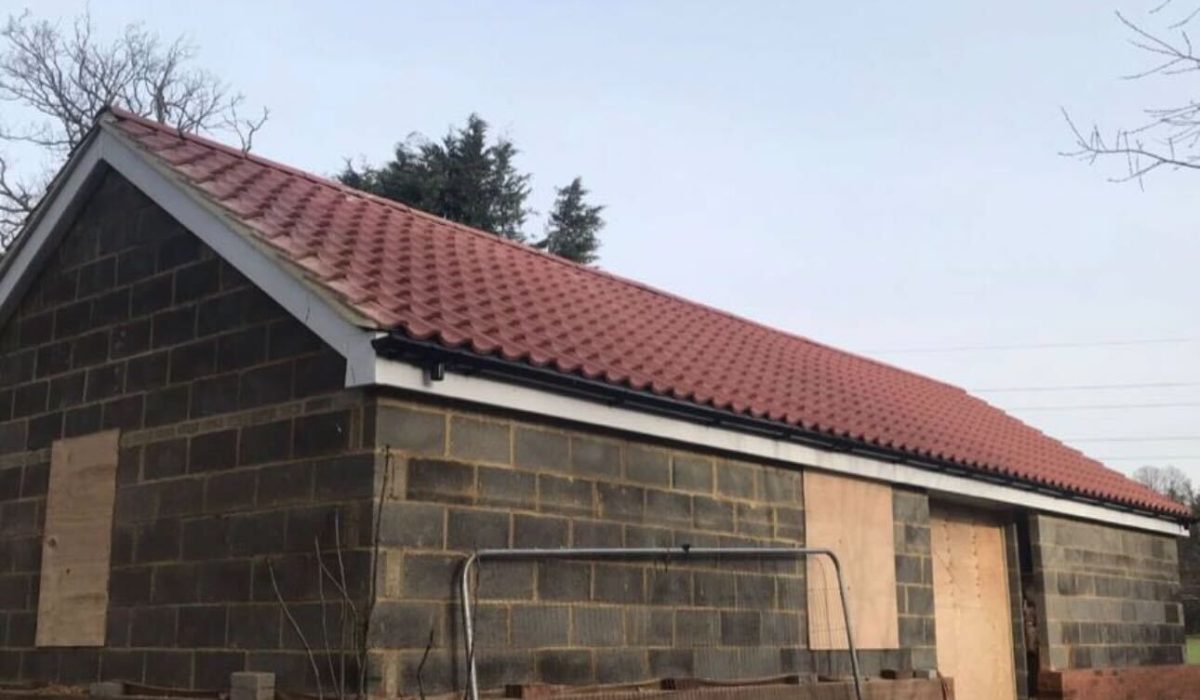
Winter in London can bring persistent rain, strong winds, cold temperatures and occasional frost, creating challenging conditions for residential and commercial roofs. For Kensington homeowners, protecting both the structure and appearance of a property is particularly important. Professional Roof Repair Kensington can help identify weaknesses early and reduce the risk of leaks, dampness and weather-related damage. GMG Roof Experts provides roofing support for property owners who want to prepare their roofs for the colder months.
Kensington contains a mixture of traditional terraces, period properties, converted buildings and modern homes, meaning roofing requirements can vary significantly from one property to another. GMG Roof Experts understands that repairs should consider not only weather protection but also the existing design and character of a building. Proper maintenance can help preserve roofing materials while improving the property’s resilience against winter conditions.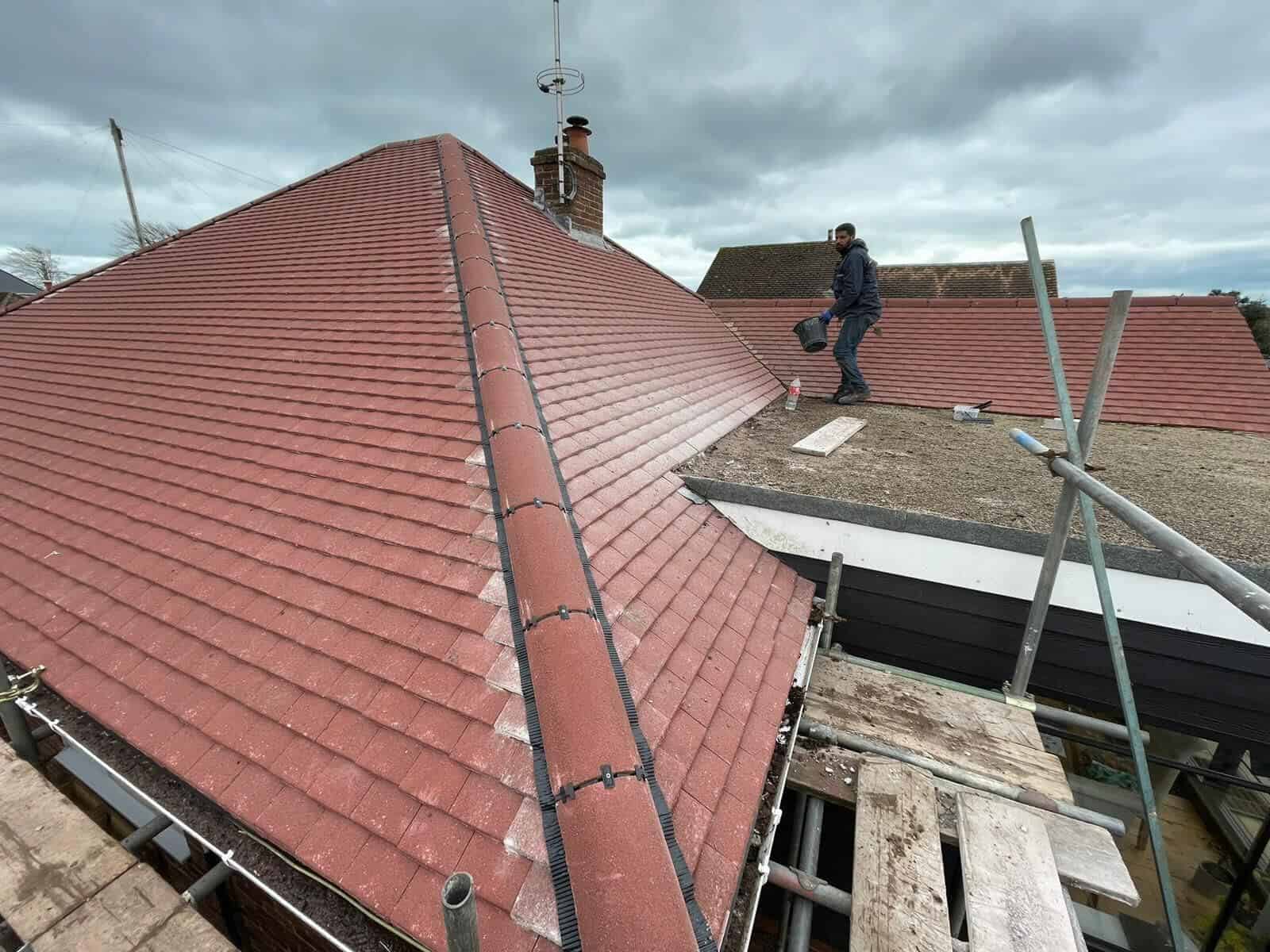
Why Winter Preparation Matters in Kensington
A roof is one of the property’s primary defences against rain, wind and cold weather. Small defects that appear insignificant during milder months can become more serious during prolonged winter rainfall. A cracked tile, loose slate or deteriorated flashing can allow water to enter the roof structure.
For homeowners considering Roof Repair Kensington, winter preparation should begin with identifying vulnerable areas before severe weather arrives. Early intervention can often prevent minor defects from developing into larger and more expensive problems.
Protecting the Character of Period Properties
Kensington is well known for its distinctive architecture and many properties have traditional exterior features. Roofing repairs therefore need to balance practical protection with the visual character of the building.
Replacing damaged roofing materials with suitable alternatives can help maintain a property’s appearance. Where traditional tiles, slates or other materials are present, homeowners should consider whether replacement materials are compatible with the existing roof.
It is also important to avoid unnecessary alterations to a roof’s original appearance. A professional assessment can help determine which components require repair and which can remain in place.
Inspect Roof Tiles and Slates
Roofing materials should be checked before winter for visible damage. Look for cracked, broken, slipped or missing tiles and slates. Strong winds can worsen loose materials, while rain can enter through gaps created by damaged roofing.
Homeowners should not climb onto the roof to investigate problems themselves. A visual inspection from ground level is safer, while roof-level assessments should be carried out by an appropriately qualified professional.
If damage is discovered, Roof Repair Kensington may involve replacing individual tiles or slates rather than carrying out extensive work across the entire roof.
Check Flashing and Roof Joints
Flashing is commonly installed around chimneys, roof valleys, skylights, walls and other vulnerable joints. Its purpose is to prevent water from entering where different sections of the roof meet.
Over time, flashing can deteriorate, become loose or develop gaps. Signs of a potential problem may include damp patches, water stains or recurring leaks following heavy rainfall.
Checking these areas before winter is particularly useful because persistent rain can expose weaknesses that may not be obvious during dry weather.
Keep Gutters and Downpipes Clear
Gutters are essential for moving rainwater away from the roof and walls. During autumn and winter, leaves, moss and other debris can accumulate inside drainage systems.
Blocked gutters may cause water to overflow onto fascias, soffits and external walls. In some situations, persistent moisture can contribute to dampness and deterioration.
As part of winter roof maintenance, gutters should be inspected and cleared where necessary. Downpipes should also be checked to ensure water can flow freely.
Look for Early Signs of Leaks
Roof leaks can sometimes develop gradually rather than appearing as obvious dripping water. Homeowners should inspect accessible loft areas and upper ceilings for warning signs.
Potential indicators include:
- Brown or yellow water stains
- Damp patches
- Mould or mildew
- Musty smells
- Wet insulation
- Peeling paint
- Water marks around chimneys or roof joints
Finding these signs early can make it easier to locate and address the underlying roofing problem before winter weather causes additional damage.
Inspect Chimneys and Roofline Features
Chimneys can be particularly exposed to wind and rain. Check for visible cracks, deteriorated mortar, loose components and damaged flashing around the chimney base.
Fascias, soffits and other roofline components should also be inspected. Signs of deterioration may include rotting timber, cracks, loose sections or evidence of water penetration.
Because these components work alongside the roof’s drainage and weatherproofing systems, damage should not be ignored.
Consider Loft Insulation and Ventilation
Winter-proofing is not limited to external roofing materials. The loft environment can also affect the condition and efficiency of a property.
Adequate insulation can help reduce heat loss, while suitable ventilation can help manage condensation. Excess moisture in a poorly ventilated loft may contribute to dampness and mould.
Homeowners should check for wet insulation, condensation or unusual moisture levels. If these problems are present, professional advice can help determine whether ventilation, insulation or roof-related issues are contributing to the problem.
Address Moss and Vegetation Carefully
Moss can commonly appear on roofs exposed to damp and shaded conditions. While limited growth does not automatically mean a roof requires replacement, excessive moss can retain moisture and make it harder to identify the condition of roofing materials.
Aggressive cleaning can potentially damage tiles or slates. Instead of using unsuitable equipment or chemicals, homeowners should seek appropriate professional advice about safe roof maintenance.
Deal With Repairs Before Severe Weather
Waiting until a major leak occurs can turn a manageable repair into a much more disruptive problem. If a roof has known defects, arranging an inspection before winter can help homeowners understand what needs attention.
Common repairs may include replacing broken tiles, securing loose materials, repairing flashing, addressing damaged roofline components or improving drainage.
For properties with distinctive architectural features, repairs should also take the existing structure and appearance into account.
A Practical Kensington Winter Roof Checklist
Before winter, homeowners can use the following checklist:
- Inspect tiles and slates for cracks or movement.
- Check flashing around chimneys and roof joints.
- Clear leaves and debris from gutters.
- Check downpipes for blockages.
- Look for water stains inside the property.
- Inspect accessible loft areas for dampness.
- Check fascias and soffits for deterioration.
- Examine chimneys for visible damage.
- Review roof ventilation and insulation.
- Arrange professional repairs for significant defects.
These preventative steps can help reduce the likelihood of unexpected roofing problems during periods of heavy rain and strong winds.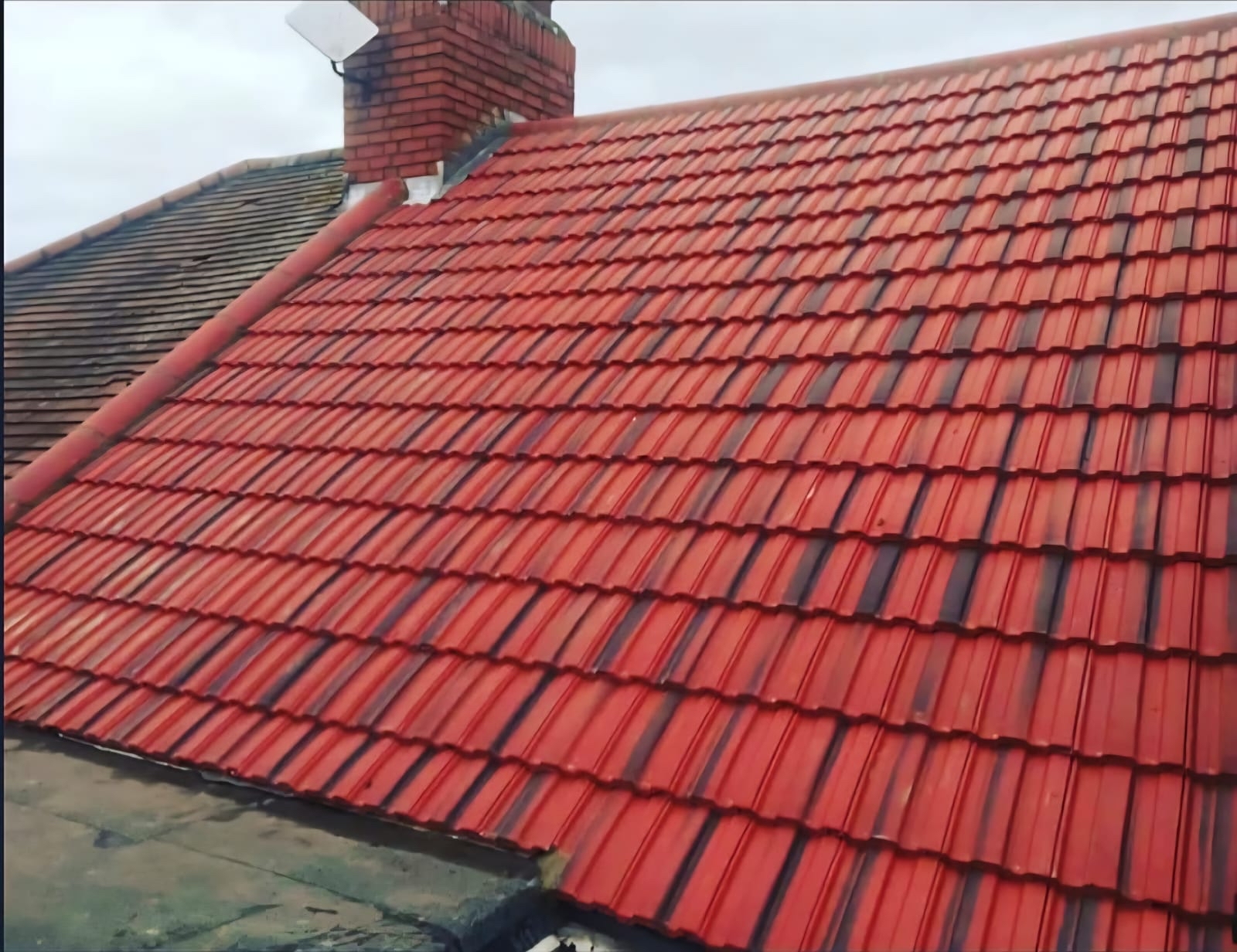
FAQs
How can I tell if my Kensington roof needs repairs?
Visible damage, missing tiles, damp patches, water stains, damaged flashing and recurring leaks can all indicate that a roof needs professional attention.
Should period roofs be repaired differently?
Period properties may require greater attention to existing materials, design and architectural features. Repair methods should be selected according to the roof’s condition and construction.
How often should gutters be cleaned?
Gutters should be checked regularly, particularly after autumn leaf fall and before periods of heavy winter rainfall. Properties surrounded by trees may require more frequent attention.
Can a small roof leak become a major problem?
Yes. Even a small leak can allow moisture into insulation, timber and internal finishes. If left unresolved, the resulting damage can become more extensive.
Is roof maintenance useful even when there are no leaks?
Yes. Preventative inspections can identify loose tiles, deteriorating flashing, blocked drainage and other issues before they develop into serious problems.
Conclusion
Winter-proofing a Kensington property requires more than simply fixing leaks when they appear. Regular inspections, clear gutters, sound flashing, secure roofing materials and appropriate loft ventilation can help protect the building throughout the colder months. For properties with traditional architecture, maintenance should also respect the character and appearance of the building. Taking action early can reduce the likelihood of expensive weather-related damage and help keep the roof performing effectively throughout winter.
Contact GMG Roof Experts
Phone: +44-7949-999411
Email: info@gmgroofexperts.com
Address: 30 Townfield Rd, Hayes UB3 2EP, UK.