Questions
Frequently Asked Questions About GRP Fibreglass Roofing
The questions below come up most often from Hillingdon homeowners, landlords and businesses.
What is GRP fibreglass roofing?
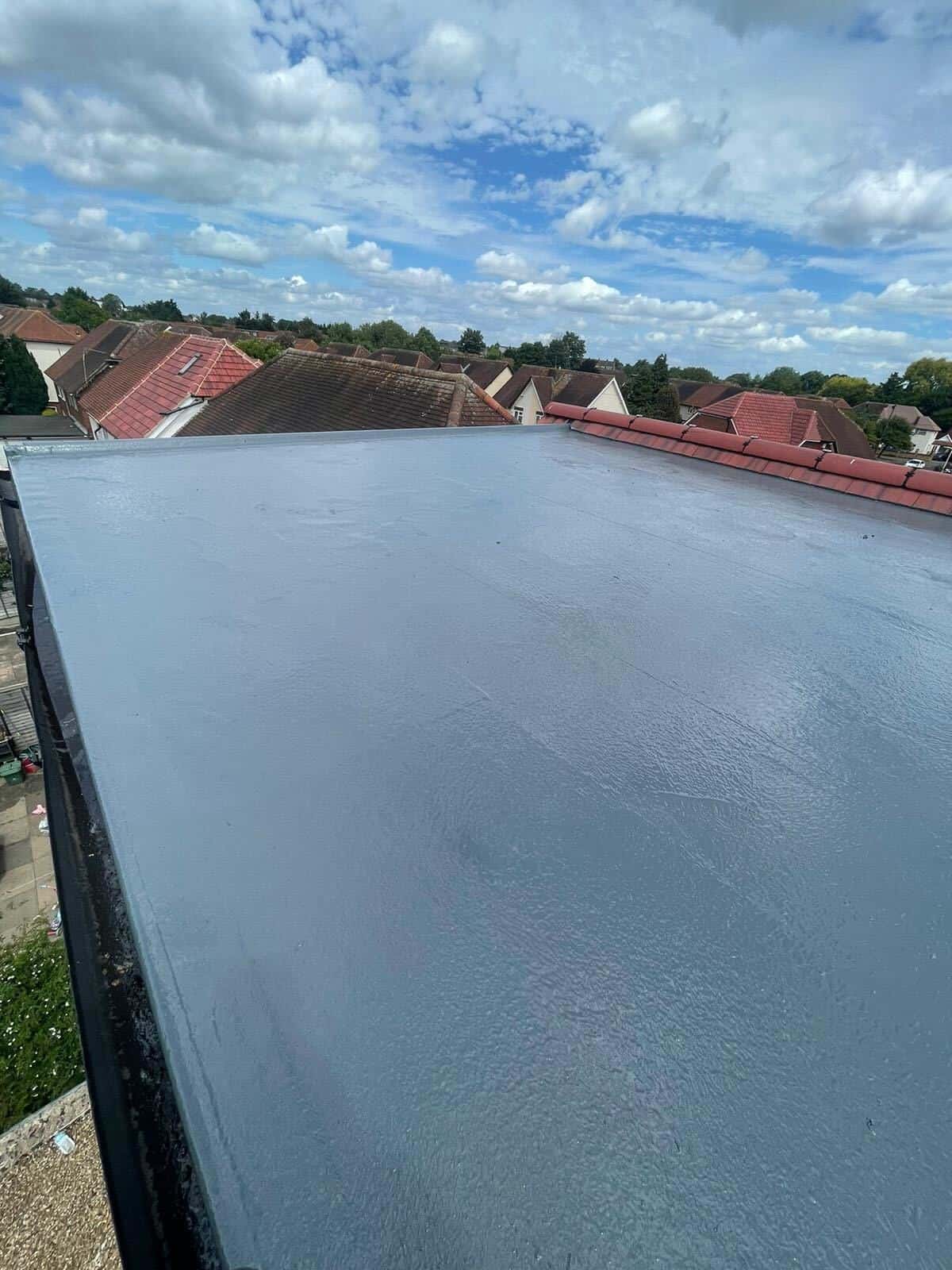
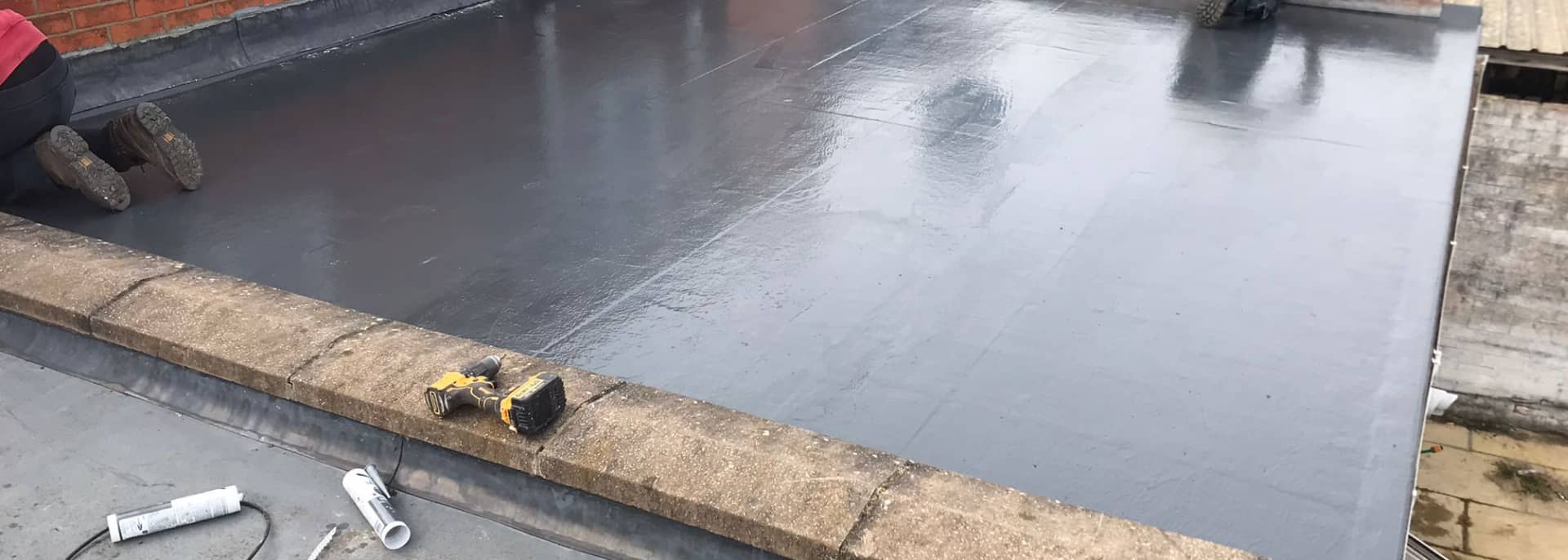
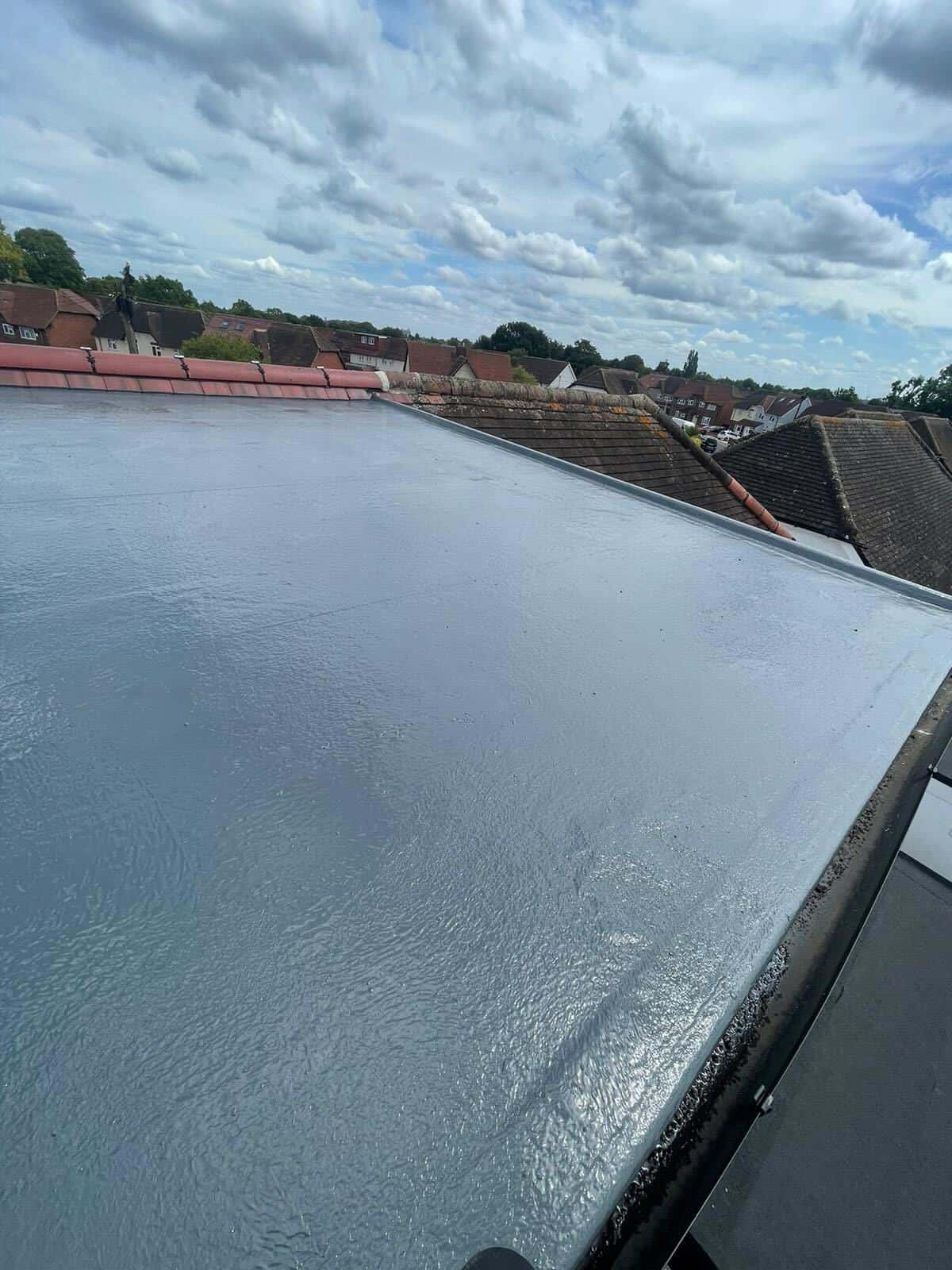
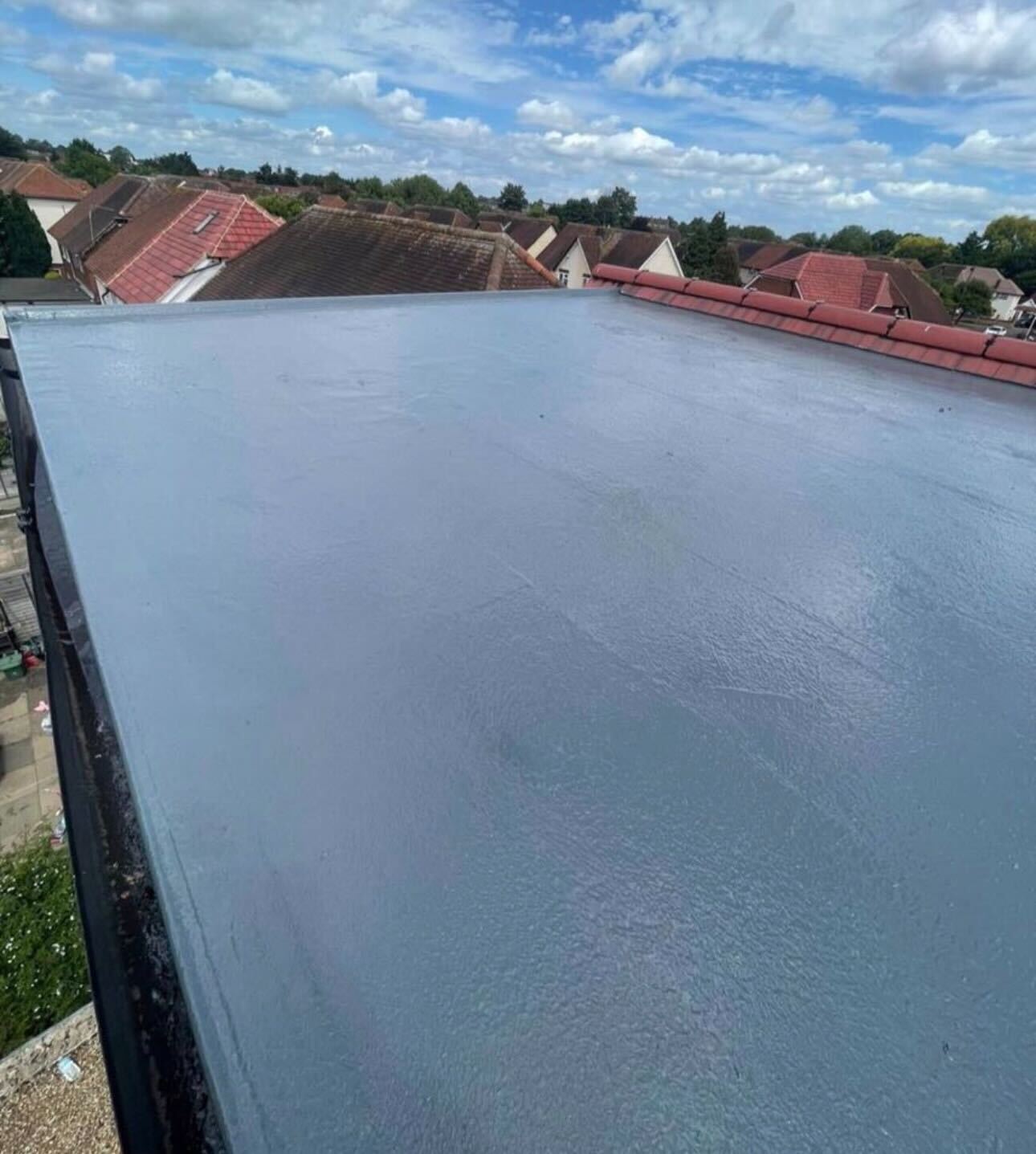
GRP stands for glass reinforced plastic. It is built up on the roof from layers of glass fibre matting saturated in a catalysed resin, rolled out to remove air and cured into a rigid, fully bonded skin, then finished with a coloured, UV-stable topcoat. It is a genuinely seamless flat roof covering, with no laps or joints across the field of the roof.
What sort of roofs is GRP used on?
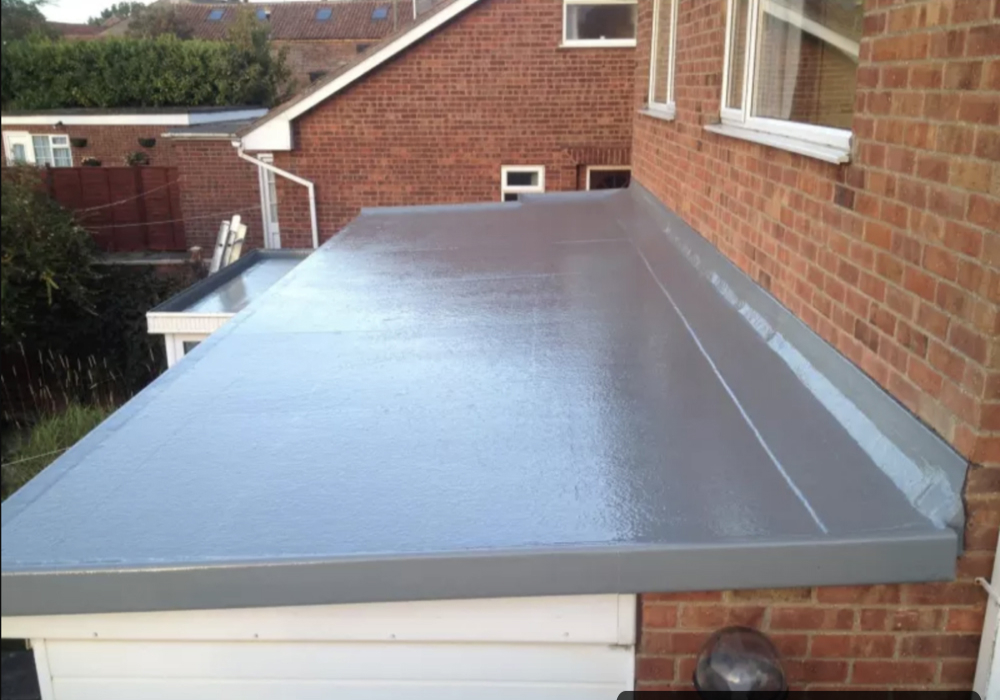
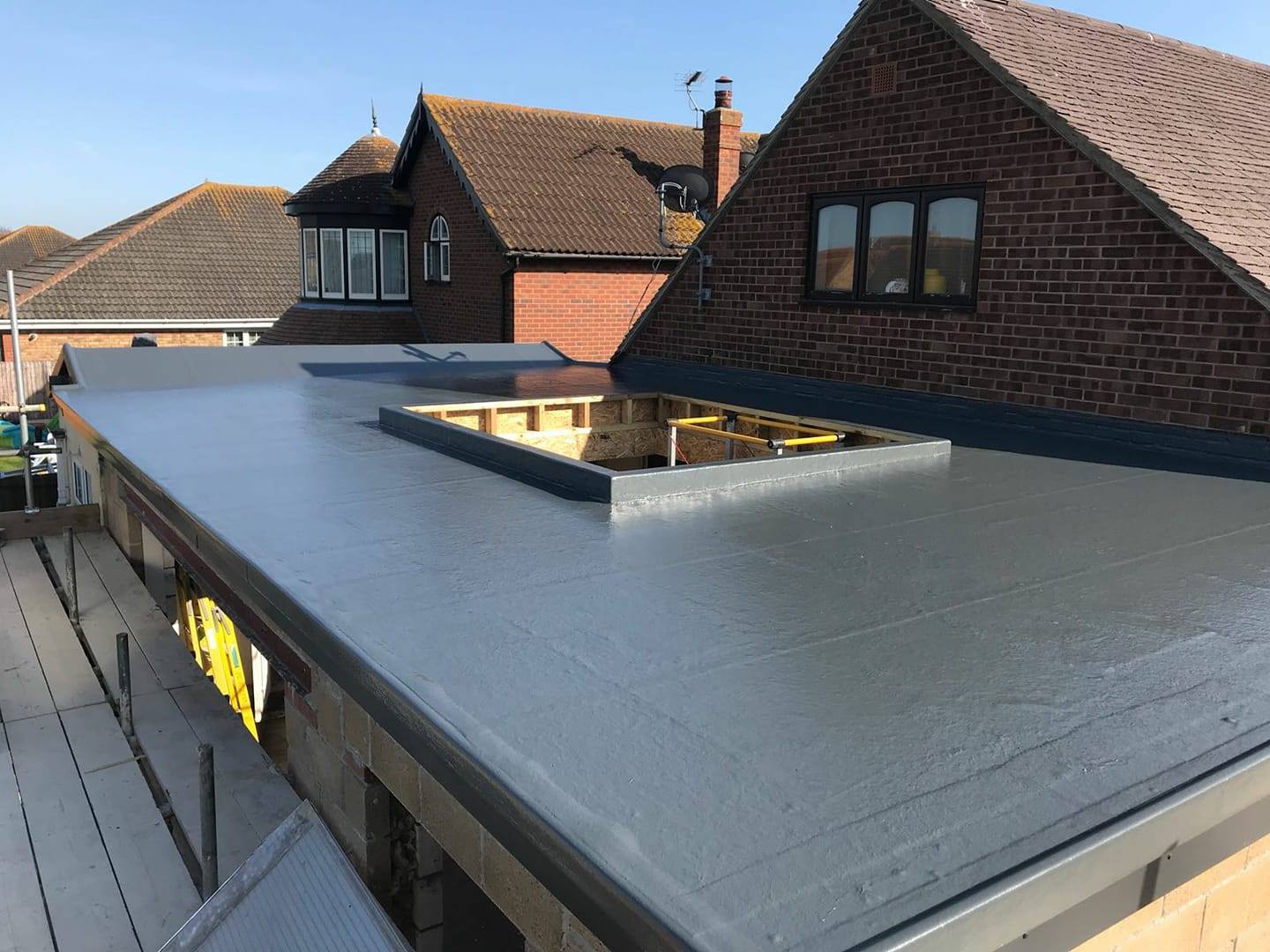
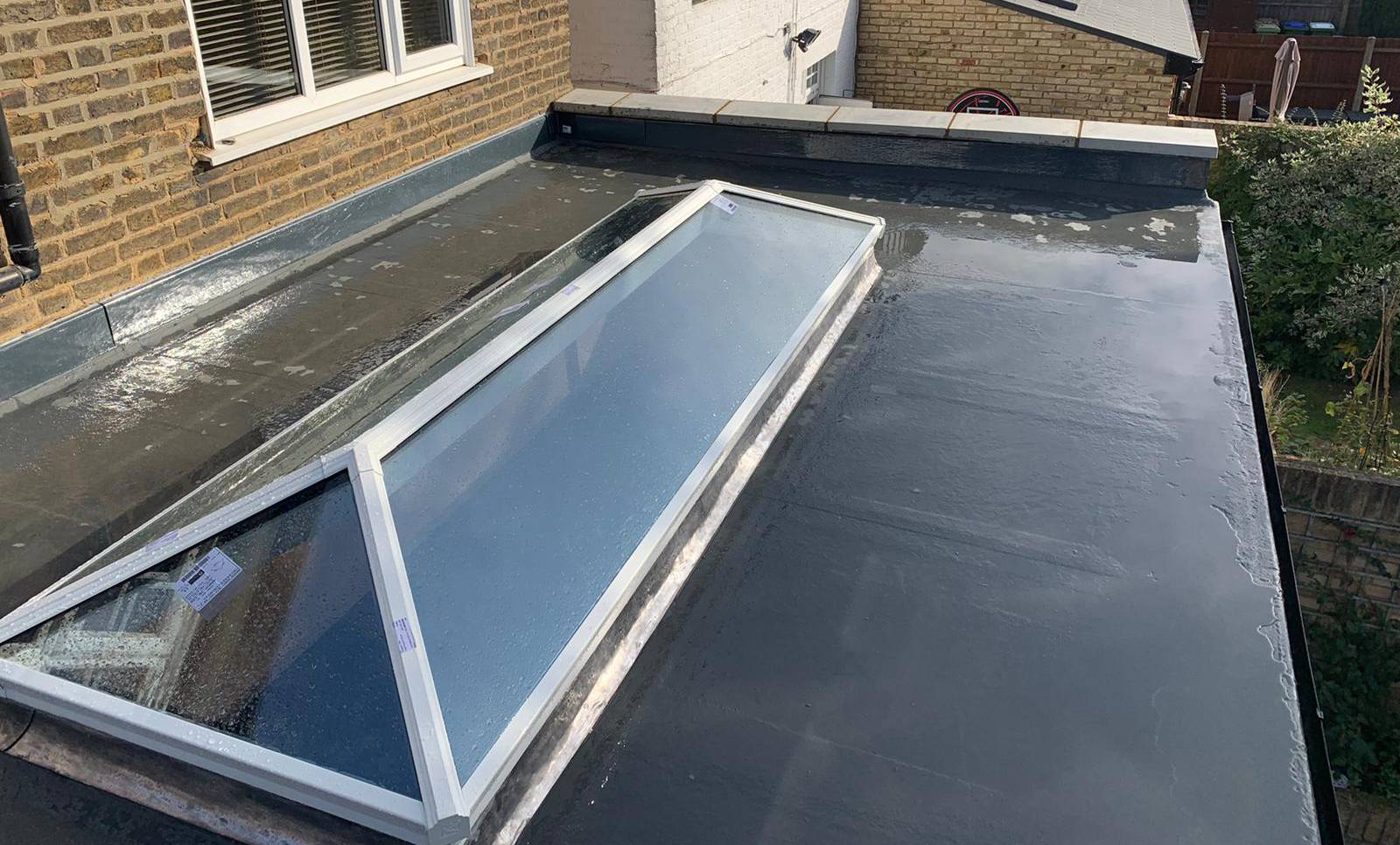
Flat and low-pitch roofs: garages and outbuildings, single-storey extensions, dormer tops and cheeks, porches, bay window roofs, and balconies or roof terraces that take regular foot traffic. It is laminated in one piece around rooflight kerbs, upstands and wall abutments, which is where lapped coverings tend to fail.
Is GRP better than felt or EPDM?
For roofs with awkward shapes or areas that take foot traffic, often yes. Felt is laid in overlapping layers, so every lap is a potential leak. EPDM is usually a single sheet with few field seams but still has trim and upstand joints. GRP is laminated as one continuous surface with no field seams at all, and it is more rigid, so it suits balconies and walked areas better than a soft membrane.
Do you have to replace the whole roof deck?
Not usually the whole deck. We strip the old covering, then cut out and renew only the boards that are soft or delaminated, commonly around the edges and the outlet. Where the roof ponds we add tapered firrings to correct the fall. A sound, dry, rigid deck is what the GRP laminate needs to bond to.
Can a cracked GRP roof be repaired?
Usually, yes. A crack in the laminate is cut back, cleaned and re-laminated with fresh matting and resin, and a chalked or faded topcoat can be renewed without stripping the roof back to the deck. If the laminate has genuinely failed across a wide area we will say so rather than patch it.
Can I walk on a GRP roof?
For maintenance access, yes, a GRP roof is rigid enough for occasional foot traffic. For an area used regularly as a balcony or terrace, we finish it with an anti-slip textured topcoat and detail the thresholds and any balustrade fixings into the laminate so the surface stays continuous.
What colours does GRP come in?
The topcoat is available in a range of colours, commonly grey and brown, and can be matched to the existing trims and roofline. We can talk through the options and a standard gloss or anti-slip finish when we quote.
Is GRP installation disruptive?
No hot works or naked flame are involved, the resin cures in place. Most garage and extension roofs are completed in a day or two once access and the deck work are done, weather and curing conditions permitting.
How does your quoting work for GRP roofing?
We inspect the roof and the deck in person, then send a written quote covering deck repairs, laminate, trims, outlet, flashings and access. Where a repair is realistic we quote that too. All pricing is on request after that visit, because the deck condition, roof size, upstands and access are the biggest variables. We do not give figures without seeing the job.
Which areas do you cover for GRP fibreglass roofing?
We are based in Hayes and cover the whole London Borough of Hillingdon for GRP fibreglass roofing, including Uxbridge, Hayes, Ruislip, Eastcote, Ickenham, Hillingdon village, Northwood, Yiewsley, West Drayton and Harefield, plus the bordering Buckinghamshire areas of Iver, Gerrards Cross and Stoke Poges. Call 07949 999411 to check your postcode.