Questions
Frequently Asked Questions About Brickwork Repairs
The questions below come up most often from Hillingdon homeowners, landlords and businesses.
How do I know if my wall needs repointing?
The mortar joints look eroded, sunken or crumbly, you can push a finger or a screwdriver into the joint, or you can see daylight or damp on the inside of the wall in the same spot. If the mortar has receded more than about a centimetre behind the brick face, or comes away in your hand, it needs attention before winter frost does more damage.
Why has my brick started flaking or crumbling on the face?
That is spalling, and it is almost always caused by trapped moisture that freezes and expands. The most common cause on older Hillingdon houses is soft original brick that was repointed at some point in hard cement mortar, which stops the wall breathing properly and forces moisture out through the brick face instead of the joint. We fix the mortar first, then replace any brick that has already spalled.
Should my house be repointed in lime or cement mortar?
It depends on how the wall was originally built. Period and listed properties, and most Victorian and Edwardian houses, were built in lime mortar and should stay that way so the wall can breathe and move. Later brick, particularly from the 1930s onwards, is more often built and repointed in a cement-based mix. We identify the original before we quote.
Is a crack in my wall serious?
Not always. Fine surface cracks in old render or mortar are often just weathering. A stepped crack following the mortar joints, a crack wider than a few millimetres, or one that is getting visibly wider over weeks or months, points to genuine movement and needs a proper look. We assess the cause, ground movement, a failed lintel or corroded wall ties are common ones, before recommending a fix.
Do you rebuild chimney stacks?
Yes. Where a stack can be saved we repoint it fully from scaffold and renew the flaunching around the pots. Where too much brick has spalled or the bond between courses has genuinely failed, we take the stack down course by course and rebuild it in matched brick to the same height and bond, with new flashing and soakers.
Can you match old or reclaimed brick?
Yes. We identify the existing brick by type, size and colour and source a reclaimed match where one is available, or the closest new brick where it is not, so a repaired section blends with the surrounding wall rather than standing out.
Do you repair garden and boundary walls?
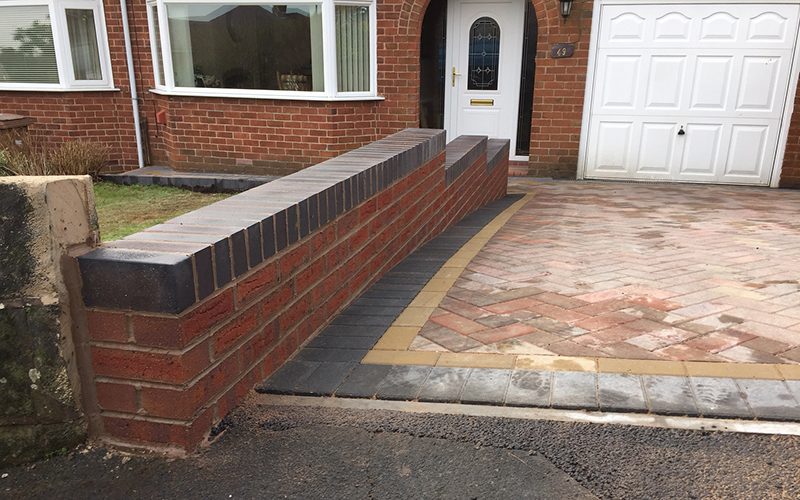
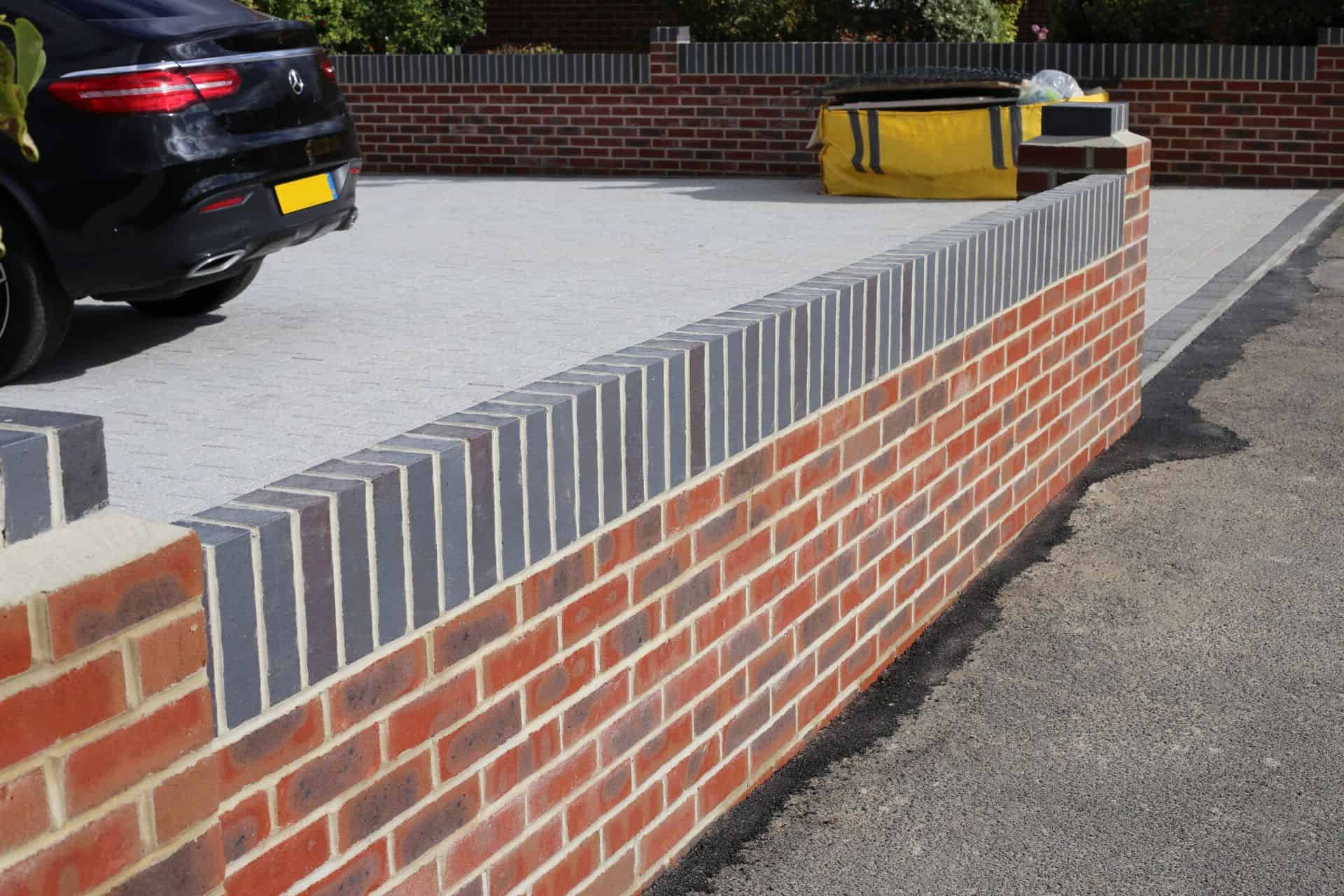
Yes. Freestanding garden and boundary walls take the full weather with no roof over them, so they are often the first brickwork on a property to show frost damage or lose their coping. We repoint, rebuild sections, renew coping and can build new walls and piers to match.
Does brickwork repair need scaffolding?
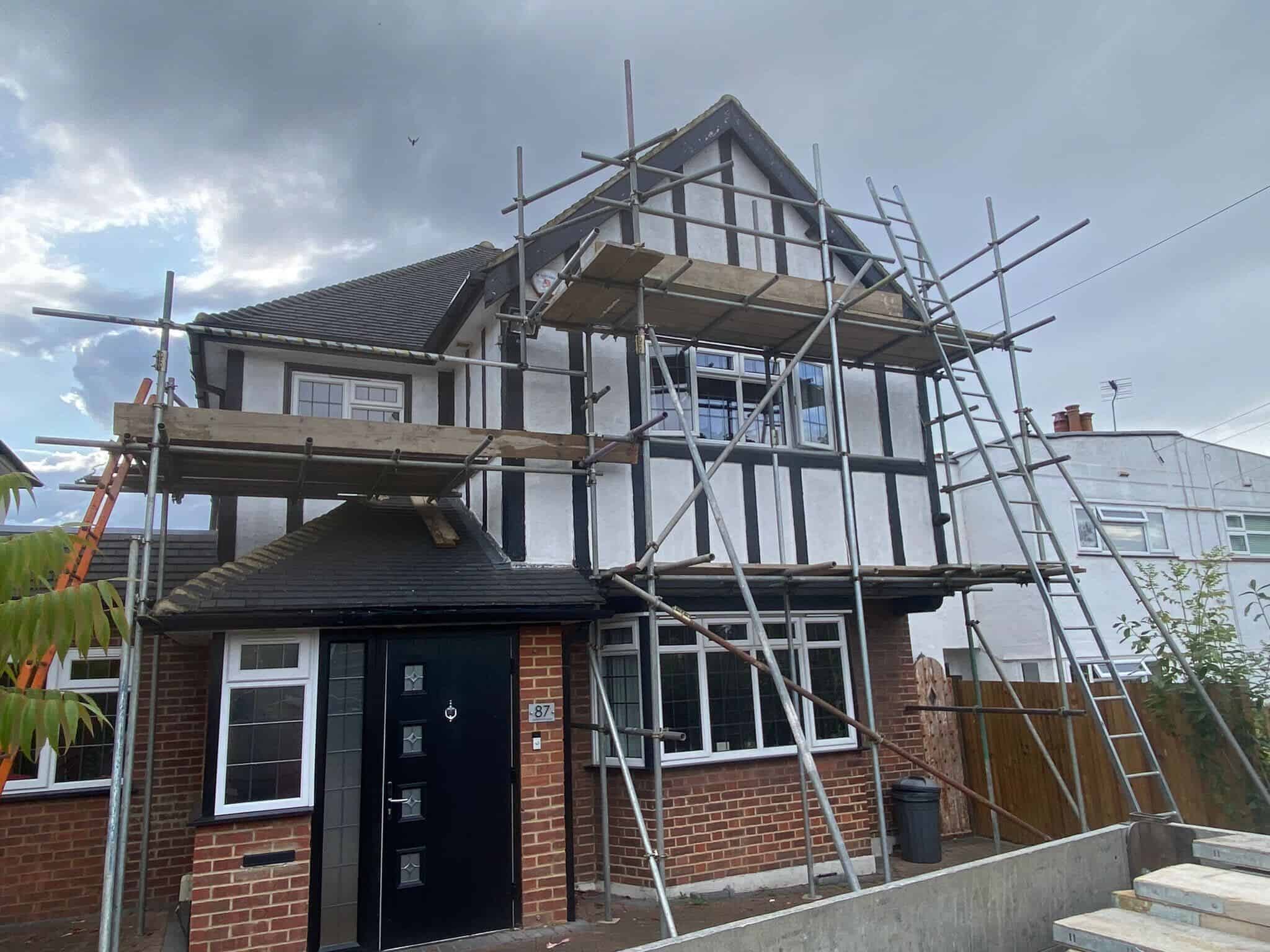
Repointing and rebuilding above ground floor height, and most chimney work, needs a scaffold or tower for safe access. Ground-floor garden wall work can often be done without. The access method and its cost are set out in your written quote before any work starts.
How does your quoting work for brickwork?
We inspect the wall or chimney in person, identify the mortar and brick, and send a written quote covering materials, access, labour and timescale. All pricing is on request after that visit, because the extent of the work and access are the biggest variables. We do not give figures without seeing the job.
Which areas do you cover for brickwork repairs?
We are based in Hayes and cover the whole London Borough of Hillingdon for brickwork repairs, including Uxbridge, Hayes, Ruislip, Eastcote, Ickenham, Hillingdon village, Northwood, Yiewsley, West Drayton and Harefield, plus the bordering Buckinghamshire areas of Iver, Gerrards Cross and Stoke Poges. Call 07949 999411 to check your postcode.