Questions
Frequently Asked Questions About Roof Moss Removal
The questions below come up most often from Hillingdon homeowners, landlords and businesses.
Does moss actually damage a roof or is it just an eyesore?
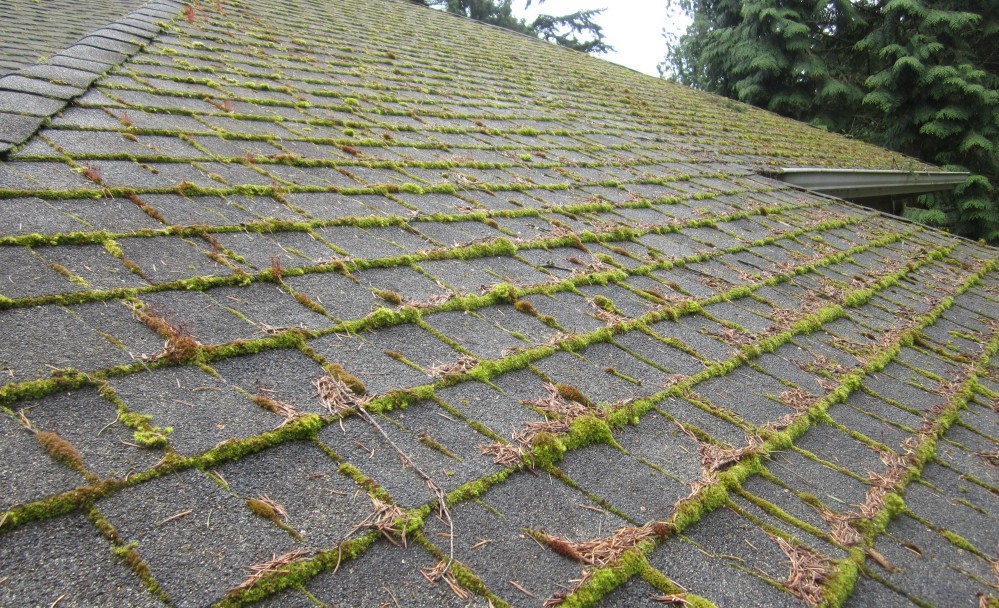
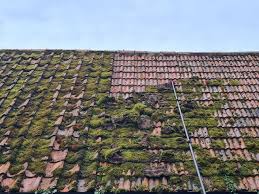
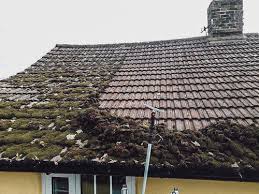
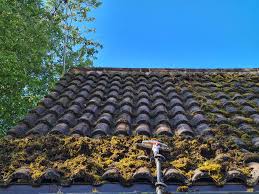
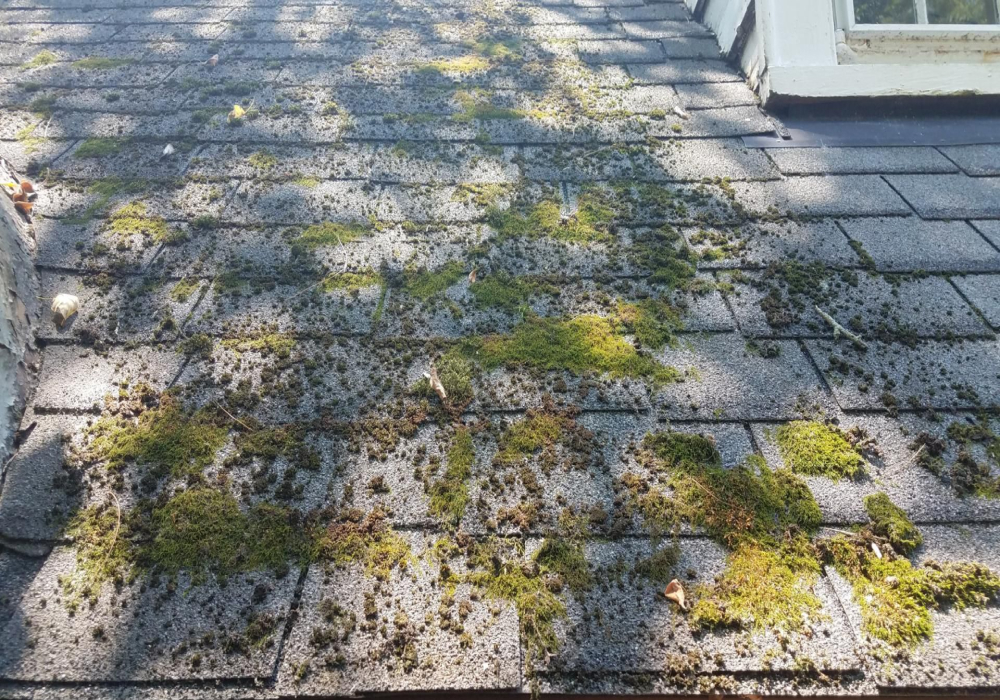
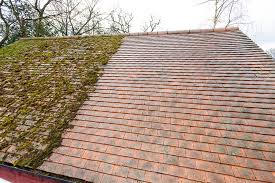
Established moss damages a roof. It holds water against the tile so the surface never dries, which speeds up frost damage and spalling, it dams water in the tile laps, and it sheds constantly into the gutters, valleys and downpipes and blocks them. On slate and plain tile it can physically lift the smaller units. Light growth on a young roof can often be left, but heavy growth is a maintenance issue, not decoration.
Do you pressure wash or jet wash the roof?
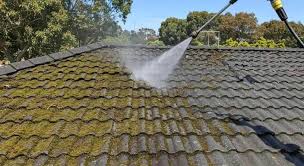
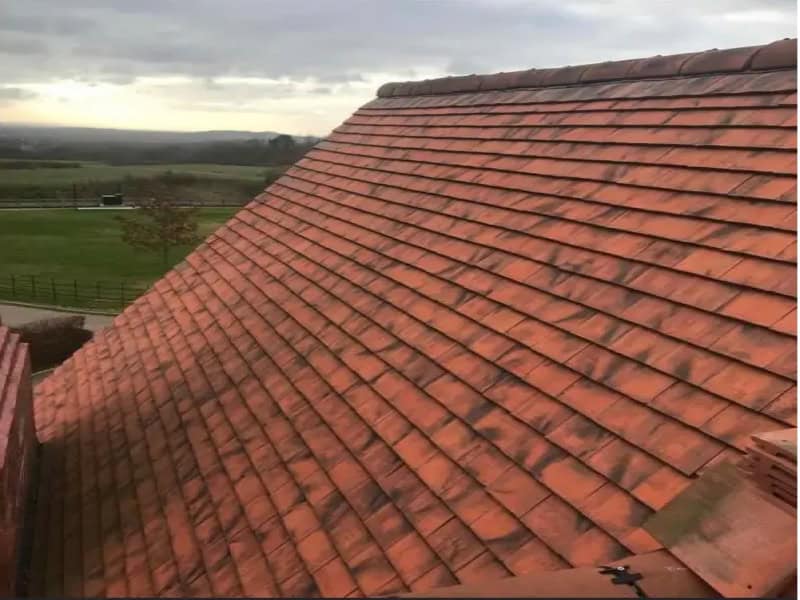
Not on old or fragile roofs. We take the moss off by hand, scraping and brushing down the slope. A high-pressure jet wash strips the tile surface, forces water into the roof space and shortens the life of the covering. Where a roof is sound enough, we may use a low-pressure wash to lift algae and lichen after the moss is off, but that is a soft wash, not a jet.
Will the moss come back after it is removed?
On a shaded, damp or north-facing slope, yes, in time, because the spores live in the tile surface. A biocide treatment applied once the roof is clean kills what is left and pushes the regrowth out by years rather than months. It is not permanent, and we will not pretend it is, but it keeps the roof clean and draining freely for much longer.
Do you clear the gutters as part of the job?
Yes, always. Every piece of moss taken off the roof washes into the gutters, valleys and downpipes, so clearing them and taking the debris away is part of the job, not an extra. A moss removal that leaves the debris in your gutters has only moved the problem.
Can you clean a slate or old clay tile roof safely?
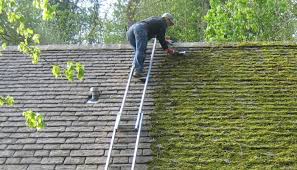
Yes. Slate and old clay plain tile are cleaned by hand and soft brushing only, with no pressure at all, working from roof ladders and crawl boards that spread the load so the covering is not walked directly. Cracked and slipped units are found and replaced as the moss comes off.
What do you find under the moss?
Commonly cracked and slipped tiles, loose ridge and hip tiles where the bedding has failed, dammed valleys, and blocked gutters and downpipes. Sometimes frost-spalled tile faces where the moss has been holding water. We note anything we find, with locations and photographs, in a short written report.
Does roof cleaning need scaffolding?
Most cleans are done from ladder access with roof ladders and crawl boards. A steep, high or brittle roof, or one where the covering should not be walked directly, gets a scaffold or tower. The access method and its cost are set out in your written quote before any work starts.
Is there a best time of year for roof cleaning?
A dry spell is best so the roof can be worked safely and any treatment can dry on the surface. We schedule cleans around access and the weather. Autumn and spring are both fine; we simply pick a dry window.
How does your quoting work for roof cleaning?
We inspect the roof in person, then send a written quote covering removal, gutter clearing, any washing and treatment, and access. Tile repairs, if we find them, are listed separately so you can decide. All pricing is on request after that visit, because roof size, pitch, access and how established the growth is are the biggest variables.
Which areas do you cover for roof moss removal?
We are based in Hayes and cover the whole London Borough of Hillingdon for moss removal and roof cleaning, including Uxbridge, Hayes, Ruislip, Eastcote, Ickenham, Hillingdon village, Northwood, Yiewsley, West Drayton and Harefield, plus the bordering Buckinghamshire areas of Iver, Gerrards Cross and Stoke Poges. Call 07949 999411 to check your postcode.