
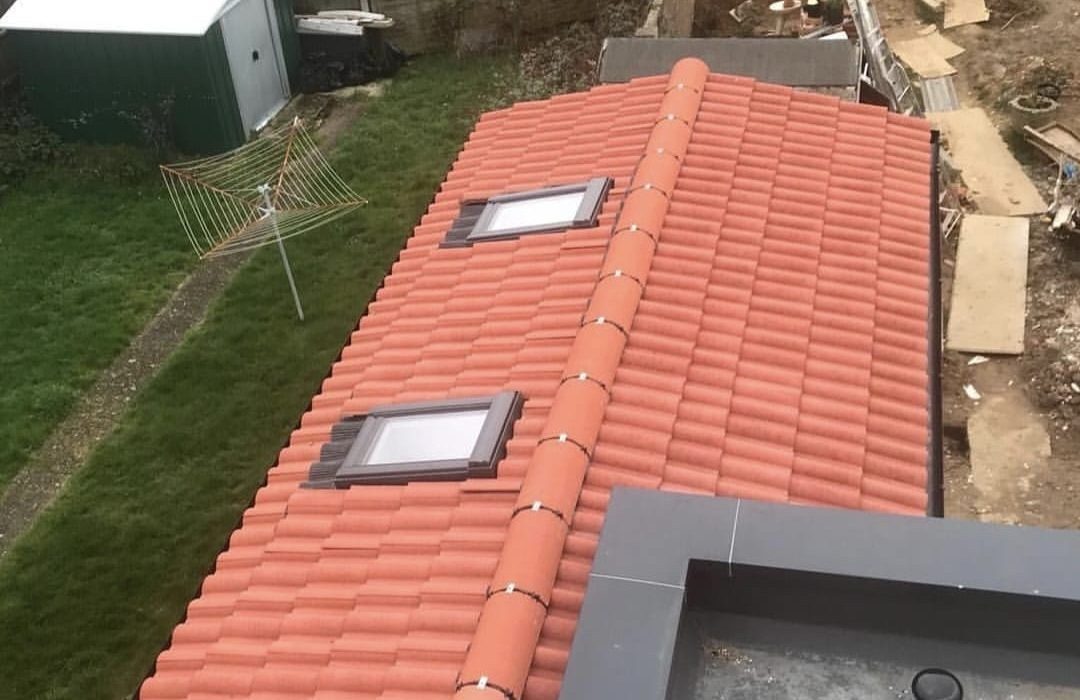
Winter in London can bring persistent rain, strong winds, cold temperatures and occasional frost, putting additional pressure on residential roofing systems. Preparing your roof before the coldest months arrive can help reduce the risk of leaks, water damage and unexpected repairs. GMG Roof Experts provides professional roofing support for homeowners who want to make sure their property is ready for challenging winter weather.
A proactive Roof Winter Preparation London routine involves more than simply looking for visible damage. Homeowners should check the condition of roof coverings, flashing, gutters, chimneys and loft spaces before winter weather becomes severe. GMG Roof Experts can help identify potential weaknesses and recommend appropriate maintenance or repair work before minor issues develop into larger problems.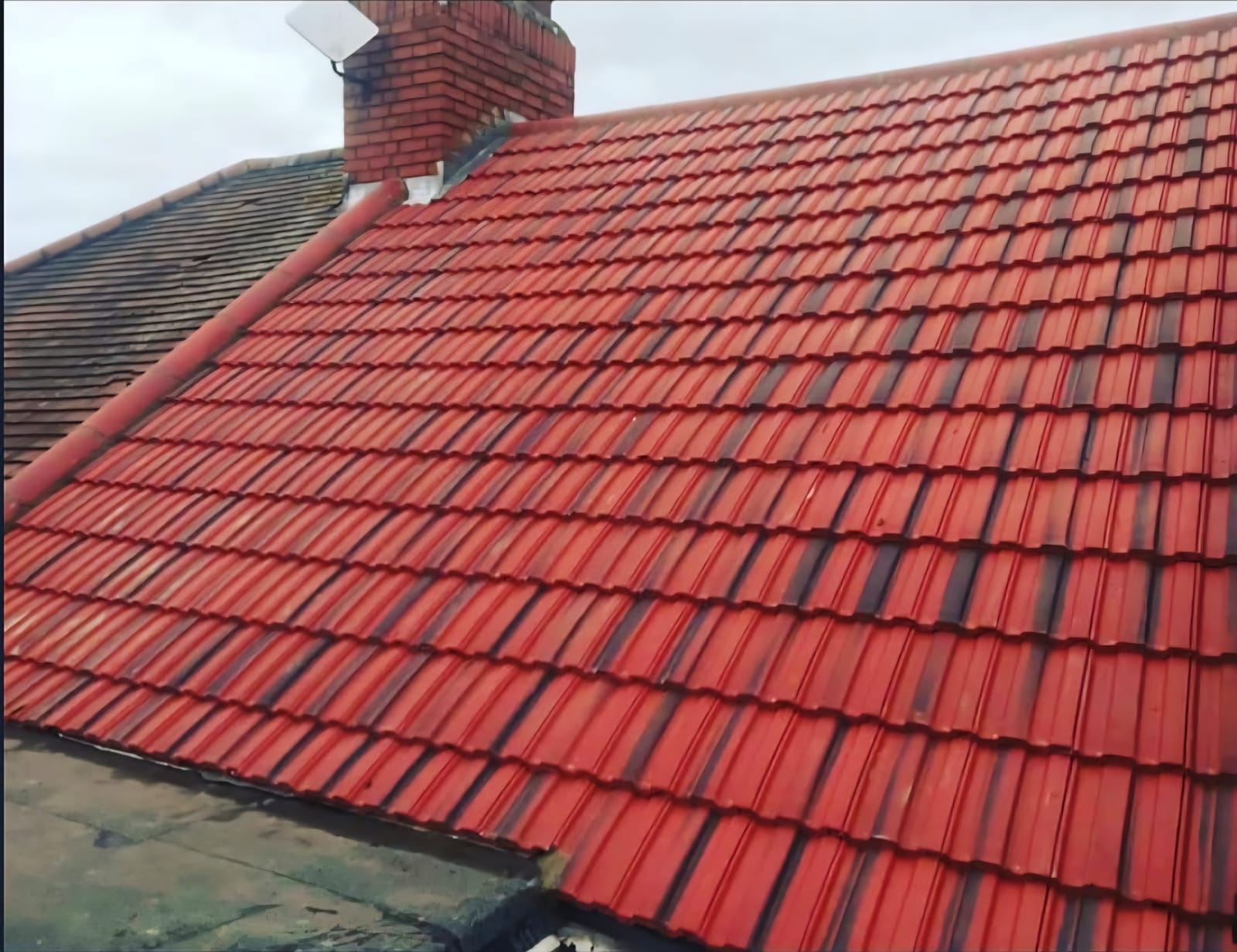
Why Is Winter Roof Preparation Important?
Your roof is the first major barrier protecting your home from rain, wind and other weather conditions. During winter, prolonged rainfall and strong winds can expose existing weaknesses, while freezing temperatures can worsen certain defects.
Small problems such as a cracked tile, loose flashing or blocked gutter may initially appear harmless. However, if water enters the roof structure repeatedly, it can contribute to dampness, mould, damaged insulation and deterioration of timber.
A seasonal inspection allows homeowners to identify these problems early and take preventative action.
1. Check Roof Tiles and Slates
Roof coverings should be one of the first areas checked before winter. Look from ground level for tiles or slates that appear cracked, missing, loose or out of alignment.
Strong winds can dislodge already weakened roofing materials, leaving gaps through which rainwater can enter. Even a small damaged area can become a source of a leak during prolonged rainfall.
Do not climb onto the roof yourself to investigate. Roofing surfaces can be slippery and unsafe, particularly during wet or cold weather. A professional roofer can inspect areas that are difficult or dangerous to access.
2. Inspect Flashing Around Vulnerable Areas
Flashing is used around roof junctions, chimneys, walls, valleys and other areas where different surfaces meet. It helps direct rainwater away from vulnerable points.
Before winter, look for visible signs of cracked, lifted, loose or deteriorating flashing. Water staining around chimneys or roof junctions inside the loft may also indicate a problem.
Damaged flashing should be assessed promptly. Repairing a vulnerable junction before heavy winter rainfall can help reduce the chance of water penetrating the property.
3. Clean and Check Gutters
Gutters play an important role in moving rainwater away from the roof and walls. During autumn, leaves, twigs, moss and other debris can accumulate inside them.
Blocked or poorly functioning gutters can cause rainwater to overflow, potentially affecting fascias, soffits, external walls and foundations.
As part of Roof Winter Preparation London, make sure gutters and downpipes are clear and securely attached. Check for:
- Accumulated leaves and debris
- Cracks or holes
- Loose brackets
- Sagging sections
- Leaking joints
- Blocked downpipes
If your property is surrounded by trees, gutters may require more frequent attention during autumn and winter.
4. Examine the Chimney
If your property has a chimney, it should not be overlooked during winter preparation. Older chimneys can develop issues with mortar joints, flashing, chimney pots or masonry.
Look for obvious signs of deterioration from ground level, such as damaged masonry, missing mortar or loose components. Water penetration around a chimney can also become visible inside the loft or on ceilings.
Because chimney maintenance involves working at height, professional inspection is recommended when there are concerns about its condition.
5. Inspect the Roof From Inside the Loft
Some roof problems are easier to identify from inside the property. Before winter arrives, inspect your loft during daylight hours if it is safe to do so.
Check for:
- Damp patches
- Water staining
- Mould
- Wet insulation
- Damaged timber
- Unusual draughts
- Daylight entering through unexpected gaps
Pay particular attention after rainfall. If you notice moisture or water entering the loft, arrange an inspection rather than waiting for the problem to disappear.
It is also important to remember that a water stain inside the loft may not be directly underneath the external source of the leak. Water can travel along roofing materials or timber before becoming visible.
6. Look for Moss and Excessive Vegetation
Moss can commonly develop on roofs in damp and shaded areas. A small amount of moss does not necessarily mean that a roof needs replacing, but excessive growth should be assessed.
Moss can retain moisture and may contribute to blocked gutters and drainage channels if it becomes detached from the roof.
Roof cleaning should be approached carefully because aggressive pressure washing or unsuitable cleaning methods can damage certain roofing materials. Professional advice can help determine whether moss removal or another treatment is appropriate.
7. Check Roof Ventilation and Insulation
Winter preparation is also an opportunity to assess the loft environment. Appropriate ventilation helps manage moisture and condensation, while suitable insulation contributes to energy efficiency.
Excessive condensation can create damp conditions that affect timber and insulation. If the loft feels unusually damp or there is visible condensation, it may be worth having the ventilation arrangements assessed.
Homeowners should also avoid blocking ventilation openings with insulation or stored belongings. Maintaining appropriate airflow can help support a healthier roof space.
8. Inspect After Strong Winds and Heavy Rain
Winter preparation should not be treated as a one-time task. London can experience periods of strong winds and heavy rainfall throughout the colder months.
After severe weather, check the roof from a safe position for obvious changes, such as missing tiles, damaged guttering or debris.
Inside the property, look for new water stains or damp patches. Addressing storm-related damage quickly can reduce the likelihood of further deterioration.
When Should You Arrange Professional Roof Maintenance?
Homeowners should consider professional assistance when they notice persistent leaks, missing tiles, damaged flashing, sagging areas, chimney deterioration or recurring gutter problems.
A professional inspection can help determine whether a problem requires a minor repair, preventative maintenance or more extensive work. This can be particularly valuable for older properties where roofing materials and underlying structures may have experienced years of weather exposure.
For homeowners planning Roof Winter Preparation London, arranging an inspection before severe weather arrives can provide greater confidence that the roof is ready for the season.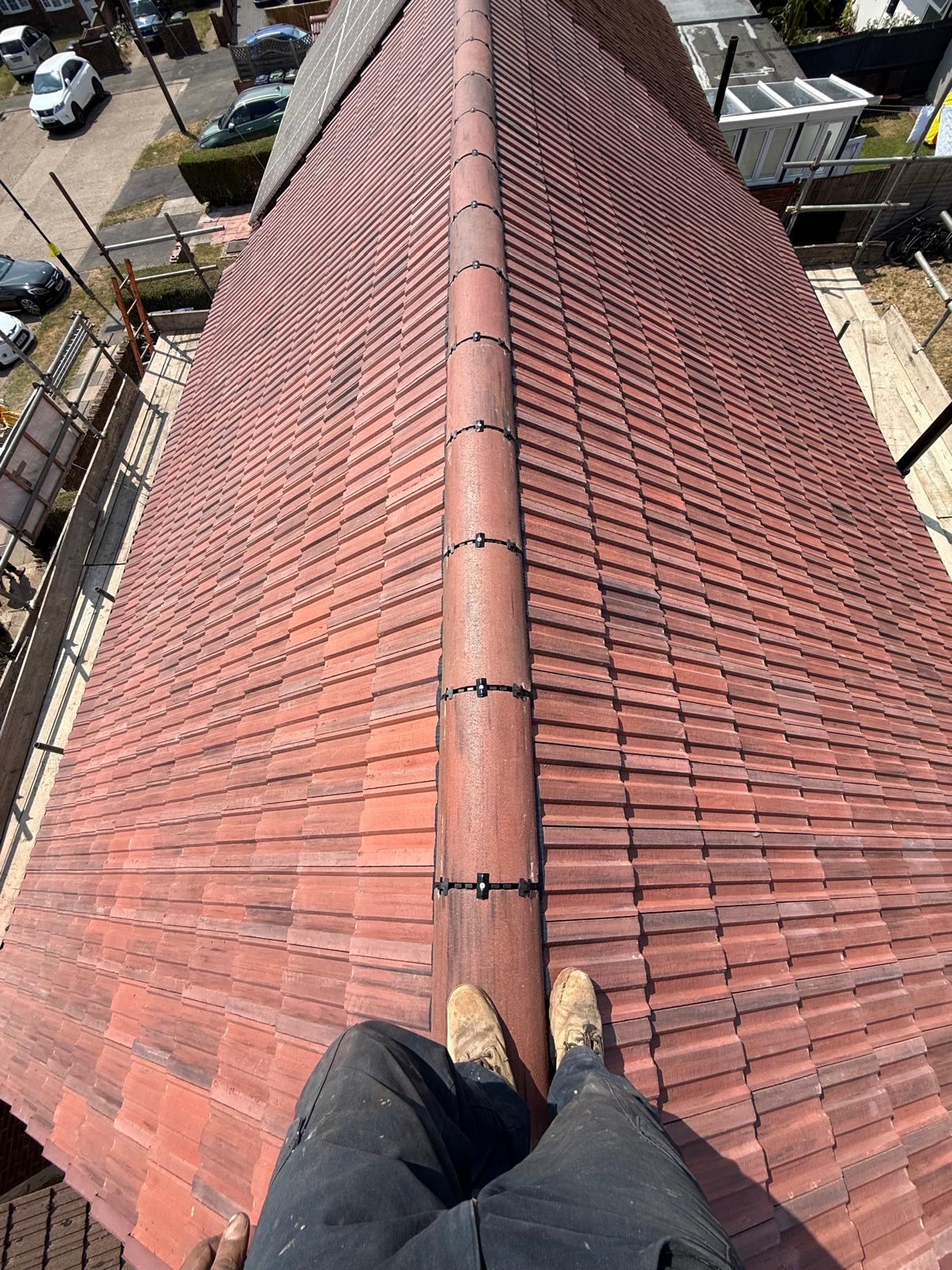
Frequently Asked Questions
When should I prepare my roof for winter?
Ideally, begin checking your roof during autumn, before the wettest and coldest winter conditions become established. Additional checks are useful after major storms.
What are the most important things to check?
Start with roof tiles or slates, flashing, gutters, downpipes and chimneys. You should also inspect the loft for signs of dampness or water penetration.
Can I inspect my roof myself?
You can carry out a basic visual inspection from the ground and check accessible areas inside your home. However, avoid climbing onto the roof because of the risk of falls and damage to roofing materials.
Does moss mean I need a new roof?
Not necessarily. Moss growth alone does not mean a roof requires replacement. The condition of the roofing materials and any underlying damage should be assessed before deciding what work is needed.
How often should gutters be cleaned?
The ideal frequency depends on the property and surrounding trees. Many homes benefit from cleaning at least once or twice a year, particularly after autumn leaf fall.
Conclusion
Preparing your roof before winter is a practical way to protect your home from rain, wind and moisture-related problems. Checking tiles, flashing, gutters, chimneys and loft spaces can help identify potential issues before they become costly repairs. A thorough Roof Winter Preparation London routine, combined with professional inspections when necessary, can help keep your roofing system in better condition throughout the colder months.
Contact GMG Roof Experts
Phone: +44-7949-999411
Email: info@gmgroofexperts.com
Address: 30 Townfield Rd, Hayes UB3 2EP, UK.