
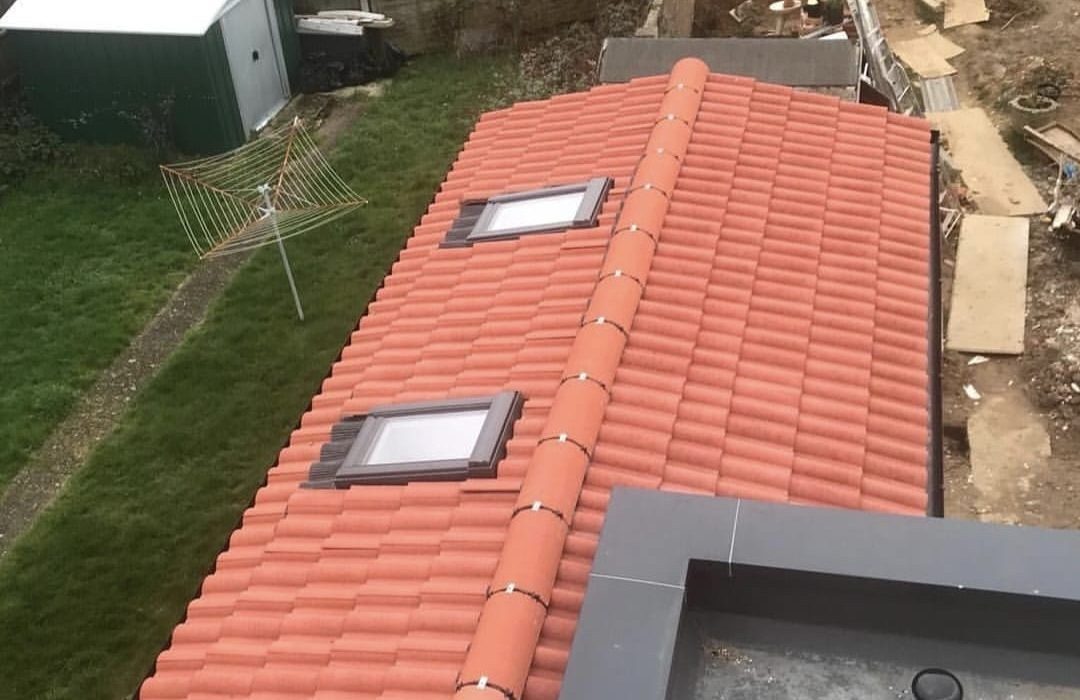
Storms can cause significant damage to a roof, even when problems are not immediately visible from the ground. Strong winds, heavy rain and flying debris can affect tiles, flashing, gutters and other essential roofing components. GMG Roof Experts provides professional support for homeowners who need Storm damage roof repair Ruislip, helping to identify urgent issues and protect properties from further weather-related damage.
After a storm, it is important to inspect your property for visible warning signs and arrange professional help when necessary. GMG Roof Experts can assess roofing problems caused by severe weather and recommend suitable repairs based on the condition of the roof. Acting quickly can help prevent a small area of damage from developing into a more serious and costly issue.
Storm damage roof repair Ruislip may be required when high winds or heavy rainfall expose weaknesses in roofing materials. Below are seven important signs that your roof may need urgent professional attention.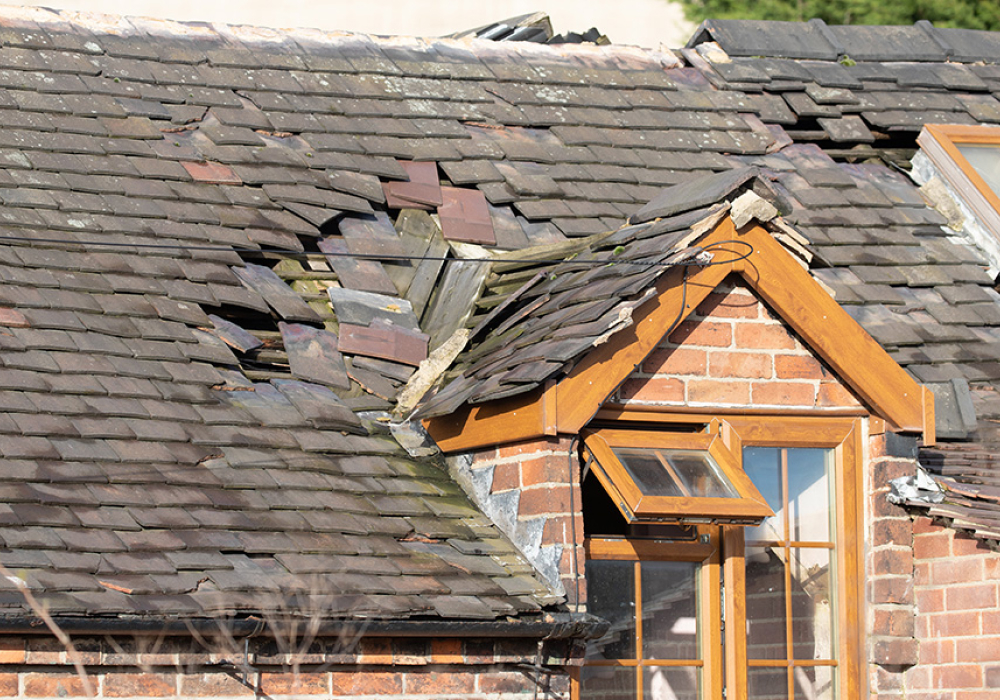
1. Missing or Damaged Roof Tiles
One of the most common signs of storm damage is missing, cracked or displaced roof tiles. Strong winds can lift tiles or loosen them, leaving parts of the roof exposed to rain.
Even a small gap can allow water to reach the underlying layers of the roof. If you notice damaged or missing tiles from ground level, it is best to arrange a professional inspection rather than attempting to climb onto the roof yourself.
2. Water Leaks or Damp Patches
Water stains on ceilings and walls can indicate that rain has entered through a damaged section of the roof. You may also notice damp patches in the loft or dripping water during or shortly after heavy rainfall.
A leak may not always appear directly below the damaged area because water can travel along roof structures before becoming visible inside. Prompt Storm damage roof repair Ruislip can help identify the source of the leak and reduce the risk of further internal damage.
3. Loose or Damaged Flashing
Flashing helps seal vulnerable areas around chimneys, roof junctions and vents. Storm conditions can loosen, crack or displace flashing, creating gaps where water can enter.
Damaged flashing should be addressed as soon as possible because these areas can be particularly vulnerable during future rainfall.
4. Blocked or Damaged Gutters
Heavy rain and strong winds can fill gutters with leaves, branches and other debris. Gutters may also become loose or damaged during severe weather.
When water cannot flow away properly, it can overflow onto walls and collect around the roofline. Checking for visible gutter damage after a storm can help you identify potential drainage issues early.
5. Debris on or Around the Roof
Fallen branches and other debris can damage tiles, gutters and roof coverings. Large or heavy objects may cause visible cracks or create openings in the roof.
If you see debris resting on your roof, avoid trying to remove it yourself, especially after a storm when surfaces may be wet or unstable. A professional can assess the situation safely and check for hidden damage.
6. Sagging or Uneven Areas
A sagging section of a roof can be a serious warning sign. Storm damage and prolonged water exposure may affect the underlying structure, particularly if water has entered the roof over time.
If you notice a dip, sagging area or significant change in the shape of your roof, professional advice should be sought promptly. Structural issues may require more urgent attention than minor surface damage.
7. Unusual Sounds During Windy Weather
Rattling, banging or whistling sounds may indicate that roofing materials have become loose. While some sounds may come from external fixtures, new or unusual noises after a storm should not be ignored.
Loose tiles, flashing or guttering can become more vulnerable during the next period of high winds. An inspection can help determine whether the roof requires repair.
Why Acting Quickly After Storm Damage Matters
Not all roofing problems become obvious immediately after a storm. A small crack or loose tile can allow water to enter gradually, causing damage to insulation, timber and interior surfaces.
Arranging Storm damage roof repair Ruislip promptly can help prevent additional deterioration and reduce the risk of repeated leaks. Early repairs may also be less extensive than waiting until the problem affects a larger area of the roof.
A professional inspection is particularly important if your property has experienced severe winds, heavy rainfall or impact from falling debris.
How to Check Your Roof Safely After a Storm
A visual inspection from the ground can help you identify obvious signs of damage. Look for missing tiles, debris, loose guttering and visible changes to the roof’s appearance.
You can also check inside your property for damp patches, water stains or signs of moisture in the loft. However, avoid climbing onto the roof, particularly when surfaces are wet or storm damage may have weakened certain areas.
If you are unsure about the condition of your roof, professional support is the safest option.
Preventing Further Storm-Related Damage
Although storms cannot be prevented, regular roof maintenance can help reduce the risk of serious weather-related damage.
Useful maintenance steps include:
- Keeping gutters and downpipes clear
- Repairing cracked or loose tiles
- Checking flashing and roof junctions
- Trimming overhanging branches where appropriate
- Arranging regular professional roof inspections
Maintaining your roof throughout the year can help identify existing weaknesses before severe weather makes them worse.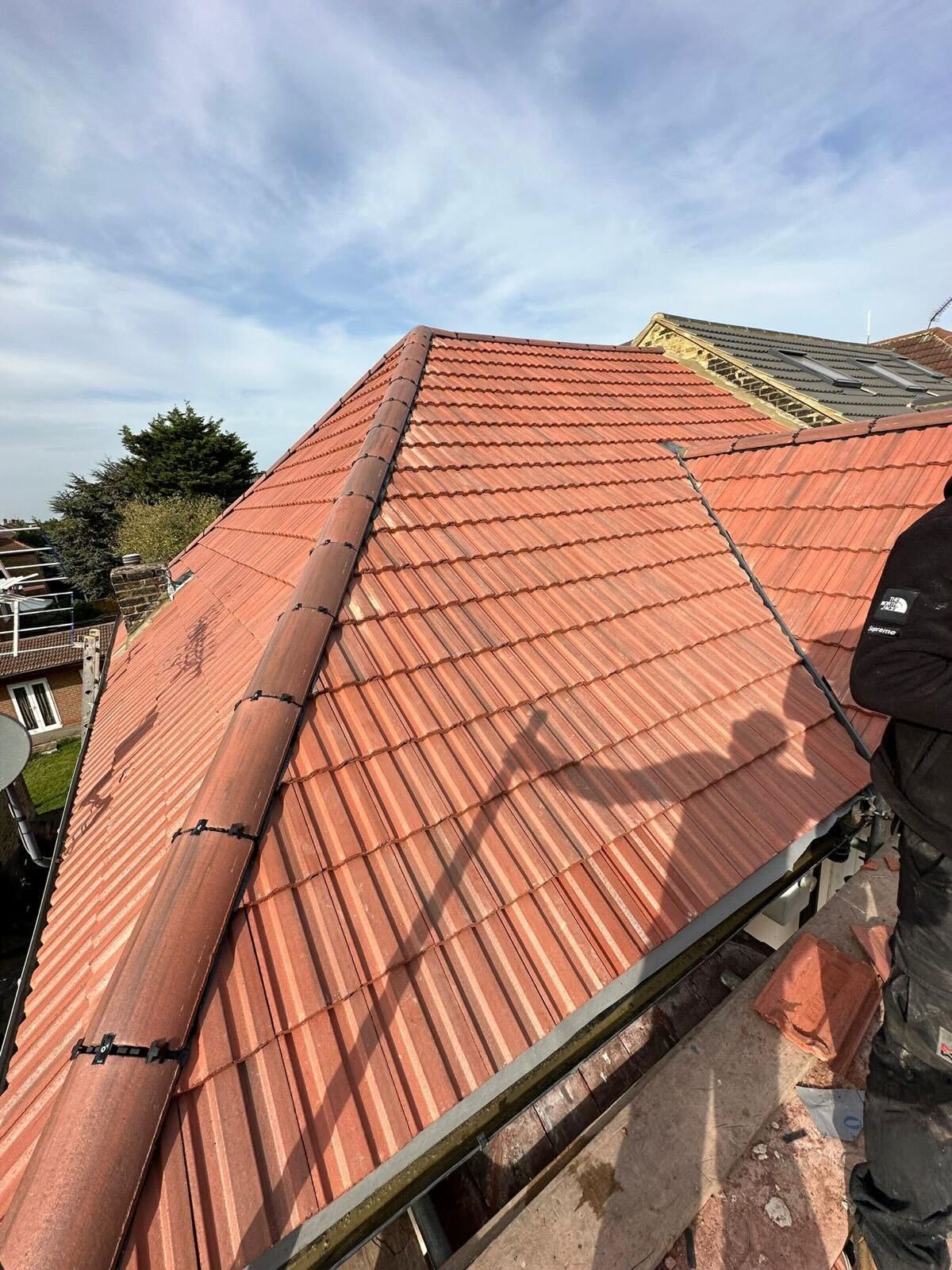
Frequently Asked Questions
How do I know if my roof has storm damage?
Common signs include missing or broken tiles, damaged flashing, leaks, water stains, loose gutters and debris on the roof. Some damage may be hidden, so a professional inspection can be useful after severe weather.
Should I repair storm damage immediately?
Urgent issues such as active leaks, missing roofing materials or structural concerns should be addressed promptly to help prevent further damage to your property.
Can a roof leak appear days after a storm?
Yes. Water may enter through a small gap and travel through roof materials before becoming visible inside the property. This means signs of a leak can sometimes appear after the storm has passed.
Is it safe to inspect a damaged roof myself?
A visual check from the ground is generally safer. Avoid climbing onto a roof after a storm, as wet or damaged surfaces can be hazardous.
Conclusion
Storms can affect every part of a roofing system, from tiles and flashing to gutters and underlying structures. Recognising the warning signs early can help homeowners take action before minor damage develops into a more serious problem. If you need Storm damage roof repair Ruislip, a professional assessment can help identify the extent of the damage and provide suitable repairs to keep your property safe and protected from future weather.
Contact
Phone: +44-7949-999-411
Email: info@gmgroofexperts.com
Address: Hayes UB3 2EP, United Kingdom.