
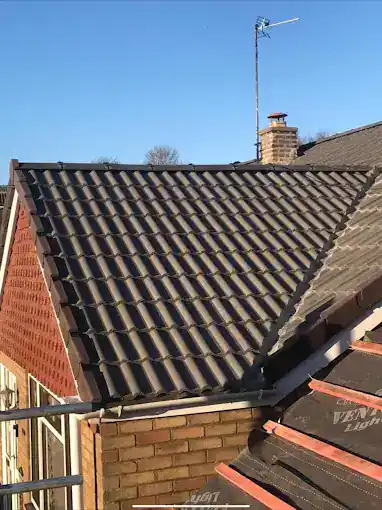
Heavy rainfall can put even a well-maintained roof under significant pressure, particularly when water is unable to drain away properly. GMG Roof Experts helps homeowners deal with Roof leaks after heavy rain Uxbridge by identifying potential sources of water entry and providing suitable roofing solutions. Understanding how prolonged or intense rainfall affects a roof can help you spot problems early and protect your property from more serious damage.
After a period of bad weather, it is important to check your roof and surrounding areas for signs of water damage. GMG Roof Experts provides professional roofing support for homeowners who are concerned about damaged tiles, blocked gutters or leaks that may have developed following heavy rain. Prompt attention can help prevent a small issue from becoming a larger and more costly repair.
Roof leaks after heavy rain Uxbridge can occur for several reasons, including damaged roofing materials, worn flashing and drainage problems. While a roof may appear to be in good condition from the ground, heavy rain can expose weaknesses that were not previously noticeable.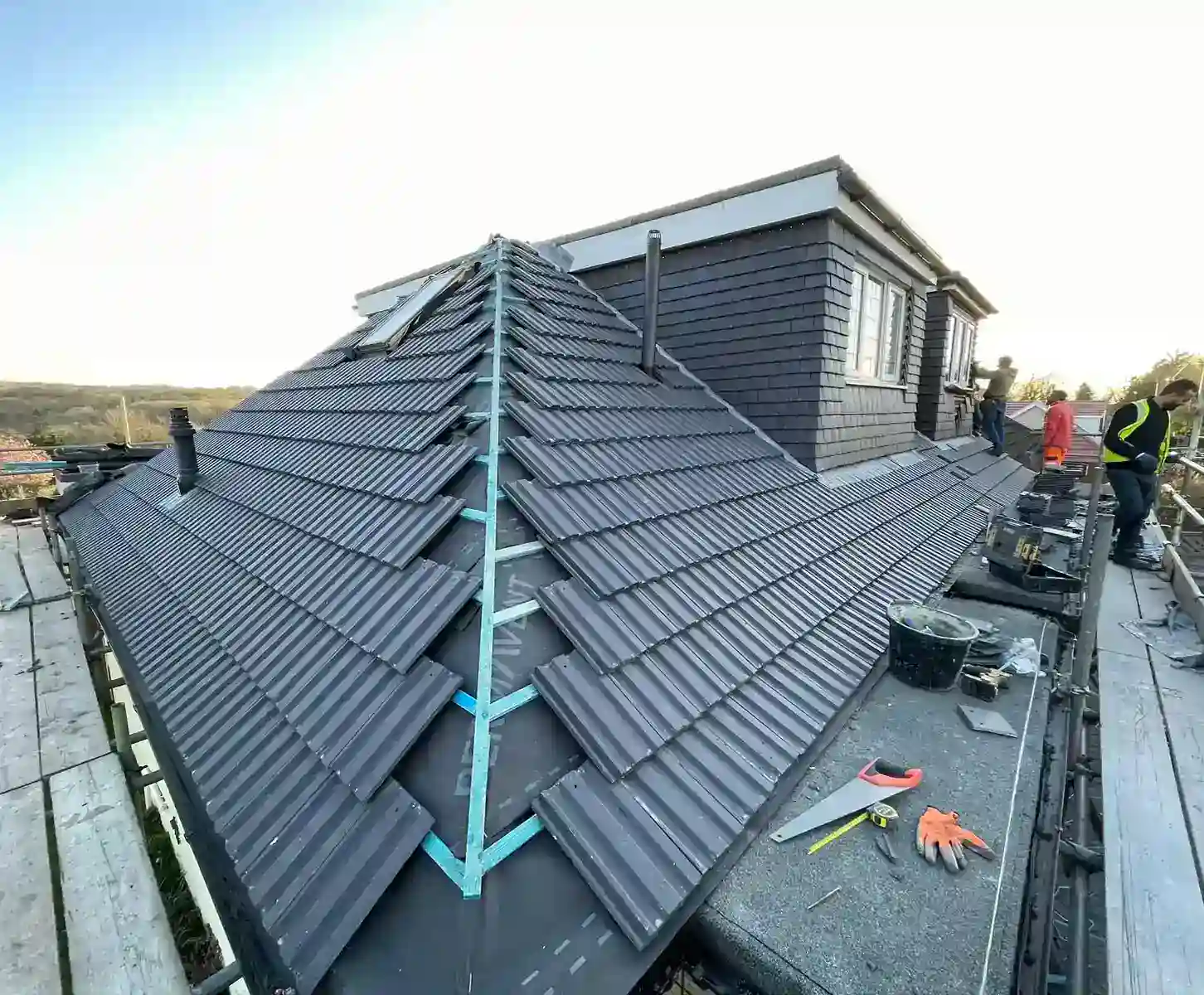
How Heavy Rain Affects Your Roof
A roof is designed to direct rainwater away from your property, but persistent or intense rainfall can test every part of the roofing system. Water can collect around damaged areas, enter through small gaps and place additional pressure on drainage systems.
Older roofs may be more vulnerable because roofing materials naturally deteriorate over time. However, newer roofs can also develop problems if tiles become damaged or gutters are unable to handle the volume of water.
Regular inspections and maintenance can help identify potential weaknesses before severe weather causes significant damage.
Common Causes of Roof Leaks After Heavy Rain
Several issues can increase the risk of water entering a property during or after heavy rainfall.
Damaged or Missing Roof Tiles
Cracked, loose or missing tiles can create an opening for rainwater. Even a small gap may allow water to reach the underlying roof structure.
Worn or Damaged Flashing
Flashing is used to seal vulnerable areas around chimneys, vents and roof junctions. If it becomes loose, cracked or damaged, water may enter through these gaps.
Blocked Gutters and Downpipes
Leaves, moss and other debris can prevent water from flowing freely through gutters and downpipes. During heavy rain, overflowing water may run down exterior walls or collect near the roofline.
Damaged Roof Membranes
The protective layers beneath roof tiles can also deteriorate. If water reaches these layers through damaged tiles, it may eventually find its way into the property.
Professional inspections can help determine the exact cause of Roof leaks after heavy rain Uxbridge and ensure that repairs address the underlying issue rather than only the visible signs of water damage.
Warning Signs to Look Out For
Roof damage is not always immediately visible from outside. In many cases, the first signs of a problem appear inside the property.
Look out for:
- Damp patches on ceilings or walls
- Water stains or discolouration
- Dripping water during or after rainfall
- A musty smell in loft spaces
- Peeling paint or bubbling plaster
- Visible damage to roof tiles or flashing
- Overflowing gutters during heavy rain
These signs should not be ignored. Water can travel along roof structures before becoming visible indoors, which means the location of a ceiling stain may not always directly identify the source of the leak.
Why Prompt Roof Repairs Are Important
Delaying repairs after discovering a leak can allow water damage to spread. Moisture can affect insulation, timber structures, ceilings and interior finishes.
Addressing Roof leaks after heavy rain Uxbridge promptly can help protect the wider structure of your property. A professional roofer can inspect the affected area, locate the source of the problem and recommend appropriate repairs.
Early action may also reduce the risk of repeated leaks during future periods of heavy rainfall.
How to Check Your Roof Safely After Heavy Rain
After severe weather, a visual check from ground level can help you identify obvious problems. Look for slipped or missing tiles, damaged guttering and debris around drainage areas.
Avoid climbing onto the roof unless you have the appropriate equipment and experience. Wet roofs can be extremely slippery, and damaged sections may not support your weight safely.
Instead, consider arranging a professional inspection if you notice signs of damage or water entering your property.
Preventing Future Rain-Related Roof Problems
Although no roof can be completely protected from every type of severe weather, regular maintenance can reduce the risk of preventable damage.
Useful preventative measures include:
- Keeping gutters and downpipes clear of debris
- Replacing cracked or damaged tiles promptly
- Checking flashing around chimneys and roof junctions
- Removing excessive moss where appropriate
- Arranging periodic professional roof inspections
Maintaining the roof throughout the year can help ensure that small problems are identified before they are exposed by heavy rainfall.
When Should You Call a Professional Roofer?
You should consider contacting a roofing professional if you notice water entering your home, persistent damp patches or visible roof damage. Even if the leak stops after the rain ends, the underlying issue may still require attention.
A professional inspection can provide a clearer understanding of the condition of your roof and identify areas that may be vulnerable during future storms.
For homeowners dealing with Roof leaks after heavy rain Uxbridge, professional support can help restore the roof’s ability to protect the property and manage rainwater effectively.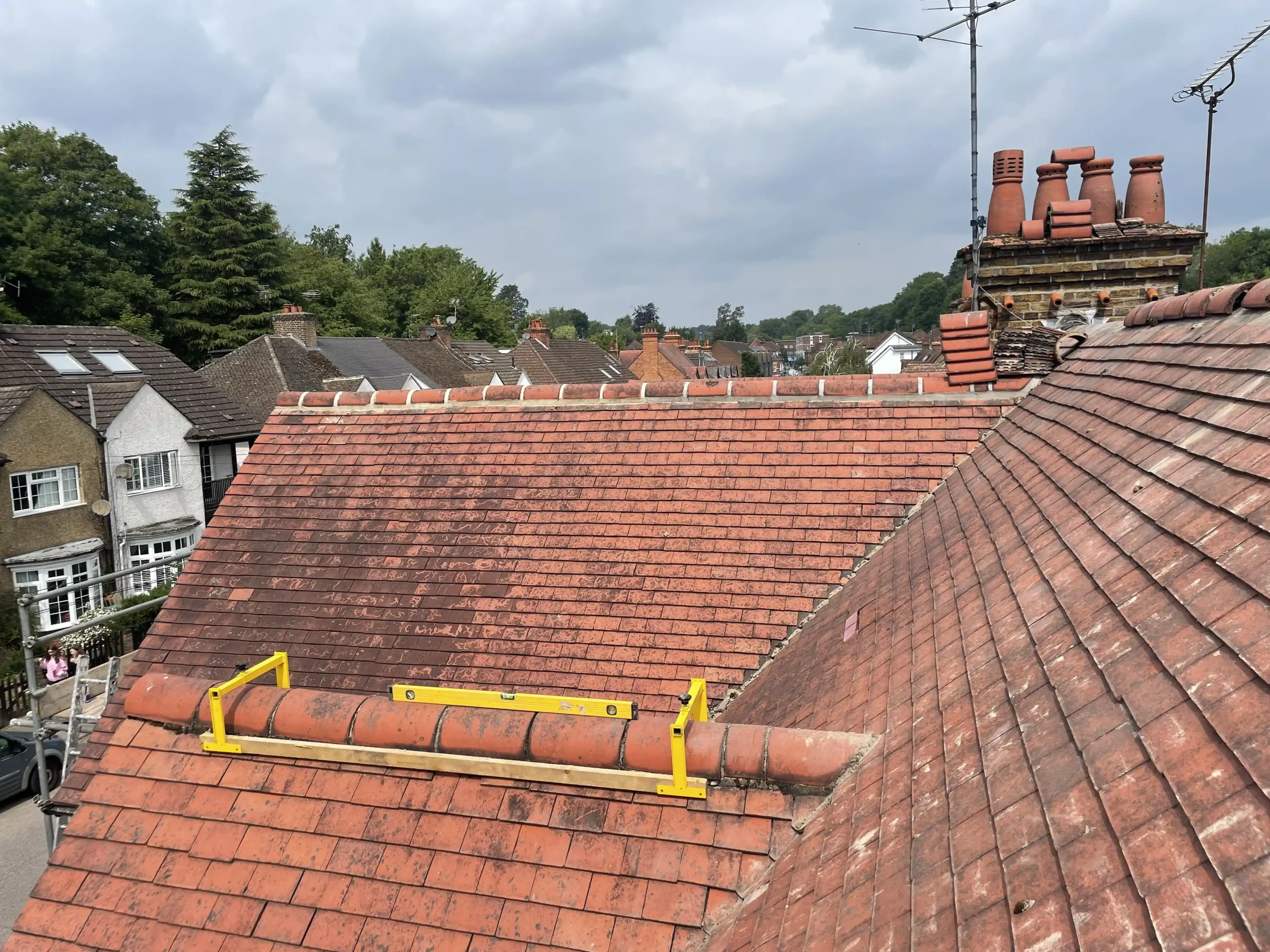
Frequently Asked Questions
Can heavy rain cause a roof to leak suddenly?
Yes. Heavy rainfall can expose existing weaknesses such as cracked tiles, damaged flashing or blocked drainage. A small issue that was previously unnoticed may allow water to enter during intense rain.
Why is my roof leaking only after heavy rain?
A roof may cope with light rain but leak when a larger volume of water reaches a damaged or vulnerable area. Blocked gutters and small gaps in roofing materials can also become more noticeable during prolonged rainfall.
Can a small roof leak cause serious damage?
Yes. Even a small leak can allow moisture to affect timber, insulation and interior surfaces if it is left untreated.
Should I wait for the roof to dry before arranging repairs?
It is a good idea to contact a professional as soon as you notice a leak or signs of water damage. A roofer can assess the situation and advise on the safest and most appropriate next steps.
Conclusion
Heavy rain can reveal hidden weaknesses in a roofing system and lead to problems ranging from minor damp patches to significant water damage. By watching for warning signs and arranging repairs promptly, homeowners can help protect their property from further deterioration. If you are experiencing Roof leaks after heavy rain Uxbridge, a professional inspection can help identify the source of the problem and provide a suitable solution to keep your roof secure and weather-resistant.
Contact
Phone: +44-7949-999-411
Email: info@gmgroofexperts.com
Address: Hayes UB3 2EP, United Kingdom.