
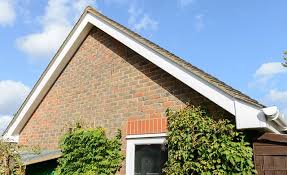
Professional Barge Board Installation Process Hayes Explained
The Barge Board Installation Process Hayes involves inspecting the roofline, removing damaged boards, repairing any rot in the supporting timbers, then measuring, cutting, and securing new uPVC or timber boards before sealing them against the weather. Done properly by professional installers, the work protects your gable ends, improves kerb appeal, and reduces long-term maintenance.
Barge boards sit at the sloping edges of your gable roof, and they do far more than finish off the look of your home. They protect the exposed ends of your roof timbers from rain, wind, and pests. When they fail, water gets into the structure and small problems quickly become expensive ones. That is why understanding the Barge Board Installation Process Hayes helps you make better decisions about your roofline.
In this guide, we explain each stage of the installation from start to finish. We cover how the roofline is inspected, how to choose between uPVC and timber, how old boards are removed, and how new boards are measured, fixed, and weatherproofed. We also walk through common challenges like rot and alignment, the benefits of professional workmanship, and simple maintenance tips that keep your boards performing for years.
At GMG Roof Experts, we install barge boards across Hayes for homeowners who want the job done right the first time. By the end of this article, you will know exactly what to expect and what to ask for before any work begins.
What Are Barge Boards and Why Are They Important?
Barge boards are the long boards fixed along the sloping edges of a gable roof. They run from the eaves up to the ridge, covering the exposed ends of the roof rafters and battens.
They serve three core functions:
- Protection: They shield the roof timbers from rain, wind-driven moisture, and rot.
- Pest control: They block birds, squirrels, and insects from nesting in the roof void.
- Appearance: They give the gable a clean, finished edge that defines the look of the property.
Without sound barge boards, the ends of your roof structure are left open to the elements. Over time, that exposure leads to damp, decay, and damaged felt repairs that cost far more than the boards themselves.
The Role of Barge Boards in Roof Protection
Barge boards form the first line of defence at the gable end. They keep water away from the roof’s most vulnerable point, where the felt and timber meet the open air.
When boards crack, warp, or rot, water tracks behind them and soaks into the rafters. We see this often during inspections what looks like a cosmetic problem is usually hiding structural damage underneath. Replacing failing boards early protects the timber you cannot see and keeps your gable roof protection intact.
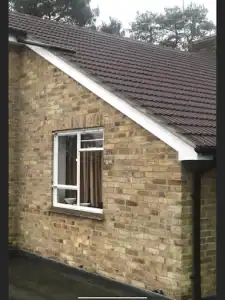
Understanding the Barge Board Installation Process Hayes
The Barge Board Installation Process Hayes follows a clear, repeatable order. We do not improvise on site. Every job runs through the same stages, so the result is consistent regardless of the property.
The process breaks down into five stages:
- Roofline inspection and assessment
- Material selection
- Roofline preparation and removal of old boards
- Measuring, cutting, and fixing the new boards
- Sealing and weatherproofing
We explain each stage below. If you would prefer to talk it through with our team, you can reach our barge board installation services in Hayes directly.
Initial Roofline Inspection and Assessment
Every installation starts with a full inspection of the roofline. We check the condition of the existing barge boards, the soffits and fascias, the eaves felt, and the rafter ends behind them.
During the assessment, we look for:
- Rot, splits, or warping in the existing boards
- Damaged or perished roofing felt at the eaves
- Soft or decayed rafter ends
- Gaps where water or pests have entered
- The overall alignment of the gable edge
This step tells us exactly what the job involves before any quote is given. As professional barge board installers, we would rather find a hidden problem now than have you discover it later.
Choosing the Right Material for Your Property
Once we know the condition of your roofline, the next decision is material. The two main options are uPVC and timber, and each suits different priorities.
We talk you through both before you commit. The right choice depends on your budget, the age and style of your home, and how much maintenance you want to take on. You can weigh the options with our Hayes barge board specialists before any work starts.
uPVC Barge Boards
uPVC is the most popular choice for modern roofline upgrades in Hayes, and for good reason. It does not rot, it does not need painting, and it stands up well to British weather.
The benefits of uPVC barge board installation include:
- Low maintenance: A wipe down with a damp cloth keeps them clean no repainting every few years.
- Long lifespan: Quality uPVC boards typically last 20 years or more.
- Weather resistance: They resist moisture, warping, and fading.
- Choice of finish: Available in white, black, and woodgrain effects to suit your home.
Choose uPVC if low upkeep and long-term value matter more to you than a traditional timber look. We can match the finish to your existing soffits and fascias in Hayes.
Timber Barge Boards
Timber barge boards suit period and character properties where a traditional appearance matters. They can be cut and shaped to detailed profiles that uPVC cannot always match.
The trade-off is maintenance. Timber needs painting or treating every few years to keep moisture out, and untreated wood is vulnerable to rot. Choose timber if authenticity and a precise architectural match are your top priorities, and you accept the upkeep that comes with it.
Whichever material you pick, we install both to the same standard. You can discuss the options with our new barge board installation team before any work begins.
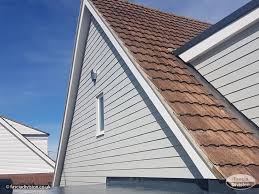
Preparing the Roofline for Installation
Preparation is where a lasting job is won or lost. Fitting new boards over hidden damage simply traps the problem. We remove the old boards completely and deal with anything we find behind them.
Removing Existing Damaged Barge Boards
We start by clearing the gable edge. Where guttering meets the boards, it is taken down first to give clear access.
Removal follows a careful order:
- Lift or push back the lowest course of tiles to expose the board ends
- Remove the old barge boards without disturbing the surrounding tiles
- Pull or knock down any old nails left in the rafter ends
- Clear away debris and old sealant from the fixing surface
Working at height carries real risk, so this stage is done from proper access equipment not a ladder balanced against the wall. Safe access is part of why this work is best left to professionals.
Inspecting Supporting Roof Structures
With the old boards off, the rafter ends and eaves felt are fully exposed. This is the moment to fix what is normally hidden.
We check and repair as needed:
- Rafter ends: Any rot is cut out and replaced with treated timber.
- Eaves felt: Perished felt is renewed, projecting around 75 mm over the fascia so runoff drains outward, not back into the structure.
- Fixing points: Old nails are removed and the surface is made clean and sound.
Skipping this step is the most common reason boards fail early. We do not cover over decay we deal with it. This is one of the clearest reasons to use experienced roofline installation experts rather than a clad-over shortcut.
Step-by-Step Barge Board Installation Process
With the roofline prepared, the new boards go on. This is the core of the Barge Board Installation Process Hayes, and accuracy here decides how good the finished result looks and how long it lasts.
Measuring and Cutting Materials Accurately
We measure each length individually. Gable edges are rarely perfectly uniform, so we cut to the exact run rather than relying on standard lengths.
Two details matter most at this stage:
- Measure twice, cut once: We check every measurement before the saw touches the material. This avoids waste and saves time on site.
- Cut clean and straight: We use a sharp blade and steady cuts so every joint sits flush and tight.
Securing the New Barge Boards
Once the boards are cut to size, fixing them correctly is what holds the result together. We follow the same method on every job:
- Quality fixings: We use rust-resistant nails or screws that stand up to wind and rain.
- Correct fixing depth: We drive fasteners to sit snug, never overdriven, so the board face stays undamaged.
- Level and plumb: We check each board against a level so the gable line runs true.
- Consistent spacing: We keep gaps even at the joints to allow for uPVC’s natural expansion.
- Pre-drilled holes: We pre-drill near edges to stop splitting and cracking.
These steps give a fixing that holds firm and looks straight from the ground up. Our barge board installation contractors follow the same checklist on every property, so the standard never drops.
Sealing and Weatherproofing the Installation
The final stage seals the new boards against the weather. Open joints and gaps are where water finds its way back into the structure, so we close them off completely.
We finish every installation by:
- Sealing the joints between boards with a weatherproof exterior sealant
- Checking that the eaves felt overhangs correctly to direct water away
- Refitting the guttering so runoff drains cleanly off the roof edge
- Cleaning down the boards and clearing all debris from the site
A properly sealed roofline keeps moisture out for years. That is the difference between work that lasts and work that needs revisiting.
Common Challenges During Barge Board Installation
Most installations run smoothly, but older properties throw up surprises. We plan for the common ones so they do not hold up the job or compromise the finish.
Dealing with Rot and Structural Damage
Rot is the issue we find most often once old boards come off. Hidden moisture damage in the rafter ends is easy to miss until the gable is exposed.
We address it directly. Any decayed timber is cut back to sound wood and replaced with treated timber before the new boards go on. Covering rot rather than removing it only delays a bigger repair so we never do it.
Ensuring Proper Alignment and Finish
A barge board that sits even slightly out of line is obvious from the ground. Gable edges settle and shift over time, which makes alignment trickier on older homes.
We work to a level and plumb line throughout, adjusting fixings as we go. The aim is a straight, clean edge that matches the line of the roof and the existing roofline installation services on the rest of the property.
Benefits of Professional Installation
Barge boards look simple, but the result depends on what happens behind them. Professional installation protects the structure, lifts the look of your home, and cuts down future upkeep.
Improved Weather Protection
Correctly fitted barge boards seal the gable against wind-driven rain. Tight joints and proper felt overhang keep water away from the rafters, which is the whole point of the boards in the first place.
Enhanced Kerb Appeal
A clean, straight roofline lifts the appearance of the whole property. New boards that match your soffits and fascias in Hayes give the gable a sharp, finished edge that stands out from the street.
Reduced Maintenance Requirements
uPVC boards, fitted well, need almost no upkeep beyond an occasional wipe down. That means no repainting, no patching, and no recurring repair bills for years to come.
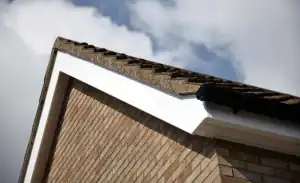
Why Homeowners in Hayes Choose Professional Roofing Contractors
Barge board work involves working at height, handling structural timber, and getting a weatherproof seal right the first time. Each of those carries risk if it is done wrong.
The Value of Expert Workmanship
Professional roofing contractors in Hayes bring the access equipment, the experience, and the method to do the job safely and correctly. We follow the same process on every property, so the standard does not depend on who turns up.
We also spot the problems a quick visual check misses hidden rot, perished felt, poor previous repairs. Catching those early is what turns a roofline upgrade into a lasting fix rather than a temporary patch. That is why so many homeowners turn to a trusted barge board installation company rather than tackling the work themselves.
Maintaining Newly Installed Barge Boards
New boards need very little attention, but a few simple habits keep them performing at their best. A little care goes a long way toward protecting the work.
Simple Maintenance Tips for Long-Term Performance
We recommend a straightforward routine:
- Clean twice a year: Wipe uPVC boards with warm, soapy water to remove dirt and algae.
- Check after storms: Look for loose sections or lifted joints after high winds.
- Keep gutters clear: Blocked guttering overflows onto the boards and shortens their life.
- Treat timber on schedule: If you chose timber, repaint or re-treat it every few years.
- Book an occasional inspection: A quick professional check catches small issues before they grow.
Following these steps keeps your boards in good condition for their full lifespan. If you would rather leave the checks to us, our roofline improvement services include inspections as part of our ongoing care.
Frequently Asked Questions
What is involved in the Barge Board Installation Process Hayes?
The Barge Board Installation Process Hayes runs through five stages: inspecting the roofline, choosing the material, removing the old boards and repairing any damage, measuring and fixing the new boards, then sealing and weatherproofing the finish. We follow the same order on every job so the result stays consistent.
How long does a barge board installation take?
Most domestic installations take one to two days, depending on the size of the property and the number of gable ends. Older homes that need rot repair or felt renewal can take a little longer. We give you a realistic timeframe after the initial inspection.
Are uPVC barge boards better than timber?
It depends on what matters most to you. uPVC needs almost no maintenance, resists rot, and lasts 20 years or more, which makes it the popular choice for most modern homes. Timber suits period properties where a traditional look is the priority, but it needs regular painting or treating to stay protected.
How often should barge boards be inspected?
We recommend a visual check at least once a year, plus a quick look after any major storm. Catching cracks, lifted joints, or early rot quickly keeps small problems from turning into structural repairs.
How much does professional barge board installation cost in Hayes?
The average barge board replacement in the UK is around £720, according to Checkatrade (2026). Your final price depends on the size of the property, the number of gable ends, the material you choose, and whether any rot repair is needed. We provide a clear, itemised quote after inspecting your roofline, so there are no surprises.
Protect Your Roofline with Hayes Barge Board Specialists
Barge boards do quiet, essential work protecting your roof timbers, keeping pests out, and finishing your gable cleanly. When they fail, the damage spreads fast and gets expensive. Getting the Barge Board Installation Process Hayes right the first time is the surest way to avoid that.
At GMG Roof Experts, we inspect thoroughly, repair what is hidden, and install every board to the same high standard. We use quality materials, follow a consistent method, and stand behind the work we do.
If your barge boards are cracked, warped, or showing their age, do not wait for water to get behind them. Contact GMG Roof Experts today for expert advice, a full roofline inspection, and a clear, no-obligation quotation from your local replacement and installation specialists.