
How to Maintain Barge Boards for Long-Term Protection
Barge boards last longest when you inspect them once a year, clean off moss and debris, seal cracks early, and repaint timber every five to seven years. Catching small problems early prevents rot from spreading into rafters and saves thousands in roofline repairs later.
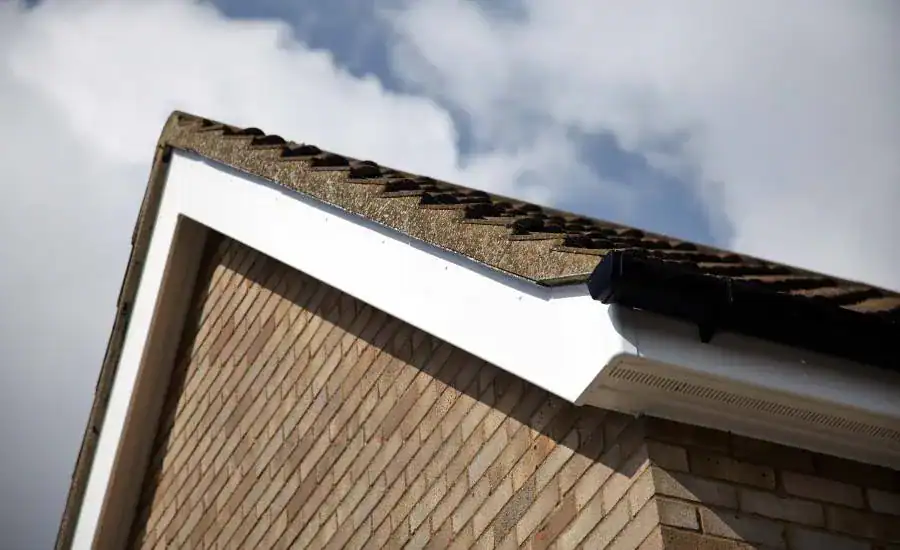
Look up at the sloping edge of any gable roof and you’ll spot the barge board the long timber or uPVC trim that caps the diagonal edge. It quietly shields your rafter ends from rain, blocks pests, and gives the roofline a tidy finish. Yet most homeowners never give it a second glance until the paint peels or a section starts to sag.
That neglect costs money. A simple scrape-and-repaint job priced at around £100–£200 can balloon into a £3,000 repair once rot reaches the rafters. Staying on top of Barge Boards Maintenance Uxbridge is one of the cheapest forms of insurance for your roof.
This guide breaks everything down in plain English. You’ll learn how to inspect, clean, and repair your barge boards, the key differences between caring for timber and uPVC, and when it makes sense to call in a professional. By the end, you’ll know exactly how to keep your roofline strong, watertight, and looking its best for decades.
Why Regular Barge Board Maintenance Is Important
Barge boards take a beating. They sit high on the gable, exposed to wind-driven rain, frost, and sun all year round. Without regular upkeep, they slowly deteriorate—and the damage rarely stays contained to the board itself.
Once water gets into a barge board, it travels. Gutters loosen because their brackets lose grip. Birds and wasps move into open gaps. Over time, the roofline warps and the rafter ends behind the board begin to rot. What starts as a cosmetic issue quickly becomes a structural one.
Regular preventative roofline maintenance keeps these problems from ever taking hold. A quick annual check costs you nothing but time, while a full replacement with scaffolding can run from £1,500 to £3,500.
Understanding the Role of Barge Boards
Barge boards are the finishing pieces on the side edges of a gable roof. They cover and protect the cut ends of the rafters where the roof projects over the gable wall.
Their job is threefold: shield exposed timber from the weather, shed rainwater away from the roofline, and block birds and insects from nesting in the gaps. They also give the roof a clean, finished appearance.
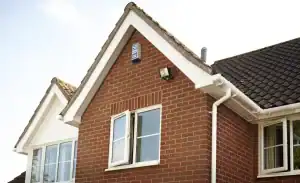
People often confuse barge boards with fascia boards. The difference is simple. Fascia boards run flat and horizontal under the eaves and carry the guttering. Barge boards run diagonally up the gable edge. The two meet at the roof corners, which is why soffit and fascia maintenance usually goes hand in hand with barge board care.
Barge Boards Maintenance Uxbridge: Essential Steps for Homeowners
Good maintenance follows a simple rhythm: inspect, clean, check for damage, and repair early. Done consistently, these four steps will add years to the life of your roofline. Here’s how to approach each one.
Inspect Your Barge Boards Regularly
You can spot most barge board problems from the ground. At least once a year ideally in spring stand back and study the gable edges with a keen eye.
Look for paint that’s peeling soon after a fresh coat, boards pulling away from the rafters, splits or missing chunks after storms, and any water stains on the wall below. If you can reach them safely, press the timber. Soft or spongy wood is a sure sign of rot taking hold.
Booking annual barge board inspection services is the smartest habit you can build. A trained eye catches problems you’ll miss from the ground, especially on a two-storey home where the roofline is hard to examine closely.
Clean Dirt, Moss and Debris from the Roofline
Dirt, moss, and algae trap moisture against the surface of your barge boards. On timber, that constant dampness accelerates rot. On uPVC, it leaves unsightly green and black streaks.
Clean your boards once or twice a year using a soft brush and warm, soapy water. Work gently to avoid scratching the surface or stripping paint. Avoid blasting them with a high-pressure washer, which can force water behind the board and into the timber.
For boards that are hard to reach, roofline care professionals have the access equipment and cleaning solutions to do the job safely and thoroughly.
Check for Cracks, Rot and Moisture Damage
Nine times out of ten, the first place water gets in is the cut end of the timber, where the barge board meets the fascia or soffit. Builders often leave that end grain bare, and it drinks water like a straw.
Inspect the joints carefully. Look for cracked sealant, gaps where two boards meet, and any darkening or softness in the wood. On uPVC, check that the trims sit flush and that no water is sneaking behind them.
Catching moisture damage early is everything. Once rot spreads more than 300–400 mm from the end, a simple repair is no longer enough and full replacement becomes the smarter choice.
Address Minor Repairs Promptly
Small problems are cheap to fix. A surface patch sanding, filler, primer, and repaint typically costs £100–£200, while a partial splice repair on a short rotten section runs £150–£400.
Never paint over rot or use indoor filler on exterior timber, as it crumbles within a year. Instead, cut back the soft wood until you reach solid timber, treat the area with preservative, splice in a new piece, then seal and repaint.
Prompt maintenance solutions for barge boards stop minor issues from spreading. Acting early on barge board repairs is always cheaper than waiting for the damage to reach your rafters.
Common Causes of Barge Board Deterioration
Understanding why barge boards fail helps you prevent it. Three culprits cause the vast majority of problems.
Weather Exposure and Moisture
Barge boards face the full force of the British climate. Wind-driven rain soaks into exposed timber, frost expands within cracks, and summer sun dries and splits the surface.
Moisture is the biggest enemy. It seeps into bare end grain and unsealed joints, then sits there feeding rot. Boards on north-facing gables or shaded by trees stay damp longest and tend to fail first.
A good coat of paint or preservative is your first line of defence. The Uxbridge roofline experts can advise on the best weatherproofing approach for your property’s exposure.
Poor Roofline Ventilation
A roofline that can’t breathe traps moisture. When warm, damp air from inside the roof space has nowhere to escape, it condenses against the timber. That hidden dampness rots boards from behind, long before you see anything on the painted face.
Blocked soffit vents are a common cause. Leaves, nests, and old paint can seal them shut. Keeping vents clear allows air to circulate freely and keeps the whole roofline dry.
If your boards keep rotting despite regular painting, poor ventilation is often the hidden reason behind it.
Neglected Maintenance
The single biggest cause of barge board failure is simple neglect. A small patch of peeling paint seems harmless, so it gets ignored and the rot quietly spreads.
Consider a real case: a homeowner in Manchester ignored peeling paint for five years. By the time a roofer inspected the gable, two rafter ends had rotted. What could have been a £400 repaint became a £3,000 repair-and-replacement job.
Regular roofline inspections break this cycle. A few minutes of attention each year prevents the expensive surprises that catch so many homeowners off guard.
Maintaining Timber Barge Boards
Timber barge boards give a traditional, characterful look that suits period and older homes beautifully. The trade-off is upkeep. Wood needs regular protection to keep moisture out, and that means a maintenance routine you can’t skip.
The good news? Well-maintained timber barge boards can last 20 to 30 years, and some hardwoods last far longer. Staying consistent with Barge Boards Maintenance Uxbridge is the key to getting that lifespan from natural wood.
Repainting and Sealing for Protection
Paint is what stands between your timber and the weather. Repaint timber barge boards every five to seven years, or sooner if you notice the coating breaking down.
Always start with primer, then apply at least two coats of quality exterior gloss. Pay extra attention to the cut ends and joints these fail first, so they deserve the most care. A bead of exterior sealant at each joint adds cheap, effective insurance against water ingress.
For thorough timber barge board maintenance, a trusted roofing maintenance company will seal every edge properly, not just the visible face.
Signs of Timber Decay to Watch For
Catch decay early and you’ll save a fortune. Keep an eye out for these warning signs:
- Soft or spongy wood when pressed a clear sign of active rot
- Paint that peels again soon after a fresh coat
- Dark stains or discolouration, especially near joints
- Splits and cracks that let water seep into the timber
- Crumbling end grain where the board meets the fascia
If you see any of these, act quickly. Decay only spreads, and the longer you leave it, the more of the board and the rafters behind it you’ll need to replace.
Caring for uPVC Barge Boards
uPVC barge boards are the modern, low-maintenance choice. They don’t rot, don’t need repainting, and shrug off the weather for 25 to 40 years. Modern homes overwhelmingly use them for exactly these reasons.
Low maintenance, however, doesn’t mean no maintenance. uPVC boards still need cleaning, and the joints behind them can still let water through if the sealant fails. Sensible uPVC barge board care keeps them looking fresh and performing well.
Choose uPVC if low upkeep matters more to you than a traditional appearance. Choose timber if matching a period property’s character is the priority and you don’t mind the painting. For advice tailored to your home, the team behind Barge Boards Maintenance Uxbridge can recommend the right material for your roofline.
Best Cleaning Practices
Cleaning uPVC is straightforward. A soft cloth or sponge with warm, soapy water removes most dirt and green algae. For stubborn marks, a dedicated uPVC cleaner works well without damaging the surface.
Clean your boards once or twice a year to keep them bright. Always rinse thoroughly afterwards so no residue is left behind. Steer clear of abrasive scourers and harsh solvents, which scratch and dull the finish permanently.
While you’re cleaning, check the sealant at the joints. Even on uPVC, water can sneak behind trims, so a fresh bead of exterior sealant every few years is worth the small effort.
Mistakes to Avoid During Maintenance
A few common errors do more harm than good. Avoid these:
- High-pressure washing, which forces water behind the boards
- Abrasive cleaners or wire wool that scratch the uPVC surface
- Ignoring the joints, where most water actually gets in
- Using harsh chemical solvents that discolour and weaken the plastic
- Capping over rotten timber instead of replacing it, which traps moisture inside
Get these basics right and your uPVC roofline will stay watertight and attractive for decades.
Seasonal Maintenance Tips for Long-Term Protection
Tying your maintenance to the seasons makes it easy to remember. Each part of the year brings different risks to your roofline.
Spring and Summer Roofline Checks
Spring is the ideal time for your main annual inspection. Winter storms often leave behind cracks, loose sections, and peeling paint, so a thorough check now catches the damage early.
Use the warmer, drier months to tackle any cleaning, repainting, or sealing. Paint and preservative cure far better in dry conditions, giving you a longer-lasting finish. Clear moss and debris while you’re up there, and trim back any overhanging branches that keep the boards damp and shaded.
Autumn and Winter Preparation
Autumn is all about getting your roofline ready for the worst weather. Clear gutters and check that soffit vents are free of leaves, so water drains properly and air keeps circulating.
Before winter sets in, reseal any joints showing gaps and touch up areas where the paint has worn thin. These small jobs stop wind-driven rain and frost from finding a way in.
A pre-winter check by roofline maintenance specialists is a smart move, especially on tall or hard-to-reach gables.
Benefits of Professional Roofline Maintenance Services
DIY works fine for sheds and bungalows. On a two-storey home, though, professional help is safer, faster, and often cheaper in the long run. Here’s what professional roofline maintenance services bring to the table.
Preventing Expensive Repairs
Professionals spot trouble early. A trained eye catches the soft spots, cracked sealant, and hidden rot that homeowners miss from ground level.
That early detection is where the real savings come from. Treating a small patch of rot costs a couple of hundred pounds. Letting it reach the rafters can cost thousands, plus scaffolding that adds another £500–£1,000 to the bill. Regular professional Barge Boards Maintenance Uxbridge keeps you firmly on the cheaper side of that equation.
Extending the Life of Your Roofline
Done properly, maintenance dramatically extends how long your boards last. Professionals seal every edge, treat timber correctly, and use the right materials for the job.
This thoroughness matters most at the vulnerable points the cut ends and joints where amateur jobs so often fall short. Working with experienced roofline maintenance contractors means your roofline protection is built to last, not patched up for a season.
Maintaining Property Appearance
Your roofline frames the whole house. Clean, well-kept barge boards lift kerb appeal and signal a property that’s been cared for something that pays off if you ever come to sell.
Faded paint, green streaks, and sagging boards do the opposite, dragging down the look of even a well-presented home. Regular care keeps your roofline crisp and your property looking its best from the street.
When Should You Call a Professional?
Some jobs simply aren’t worth the risk. Ladder accidents are one of the top causes of DIY injury, and any work on a two-storey gable usually calls for scaffolding and experience. If the job feels beyond a quick clean or touch-up, it’s time to bring in the experts.
Warning Signs That Need Expert Attention
Call a professional straight away if you notice any of the following:
- Rot spreading more than 300–400 mm along the board
- Boards pulling away from the rafters or sagging visibly
- Soft, crumbling timber that won’t take a screw
- Water stains on interior walls below the gable
- Pests nesting in gaps along the roofline
- Any work needed at height on a two-storey property
These signs point to damage that’s spread beyond a simple fix. Booking professional barge board maintenance services at this stage protects both your roof and your safety.
Frequently Asked Questions
How often should barge boards be inspected?
Inspect your barge boards at least once a year, ideally in spring after the winter storms. An annual check lets you catch peeling paint, cracks, and early rot before they spread. On two-storey homes, a professional roofline inspection is the safest way to examine boards you can’t reach.
What are the most common signs of barge board damage?
The most common signs are paint that peels soon after a fresh coat, wood that feels soft or spongy, boards pulling away from the rafters, splits or missing sections after storms, and water stains on the wall below the gable. Pests nesting in gaps are another clear warning.
Can I maintain my barge boards myself?
Yes, basic maintenance like cleaning, minor sealing, and touch-up painting is manageable on sheds and single-storey homes. For anything at height on a two-storey property, or for cutting out rot and splicing in new timber, professional help is safer and gives a longer-lasting result.
What is the best way to maintain uPVC barge boards?
Clean uPVC barge boards once or twice a year with a soft cloth and warm, soapy water, then rinse thoroughly. Avoid pressure washers, abrasive scourers, and harsh solvents. Check the sealant at the joints regularly and refresh it every few years to keep water from getting behind the trims.
Why is Barge Boards Maintenance Uxbridge important for long-term roof protection?
Consistent Barge Boards Maintenance Uxbridge stops moisture from reaching your rafters, which is where small problems turn into structural ones. Regular cleaning, sealing, and inspection keep your roofline watertight, protect against costly rot, and preserve the appearance of your home saving you thousands in avoidable repairs over time.
Keep Your Roofline Protected for Years to Come
Barge boards are easy to overlook, but a little attention goes a long way. Inspect them once a year, clean off moss and debris, seal the joints, and repaint timber every five to seven years. Understanding the difference between timber and uPVC care and acting on minor repairs early is what keeps your roofline strong and watertight for decades.
The golden rule is simple: catch problems while they’re small. A few hundred pounds spent on early repairs always beats thousands spent on rotten rafters and scaffolding later. Staying on top of Barge Boards Maintenance Uxbridge is the most cost-effective way to protect one of the hardest-working parts of your roof.
If your boards are due an inspection or you’ve spotted any warning signs, don’t wait for the damage to spread. Get in touch with GMG Roof Experts today for friendly advice, a thorough roofline check, and professional barge board maintenance services you can rely on.