
Your roof works hard every single day. It shields your family, your belongings, and the structural integrity of your property from the elements — and most of the time, you never give it a second thought. But ignoring small warning signs can turn a minor repair into a costly nightmare. Knowing how to spot early signs of roof damage in Uxbridge homes is one of the most valuable things you can do as a homeowner, landlord, or property manager. Uxbridge properties face a particular challenge: the UK’s unpredictable weather heavy rainfall, strong winds, and freeze-thaw cycles puts roofing systems under constant stress throughout the year. Damp, structural movement, and persistent moss growth are common consequences for homes that go without regular roof checks.
The risks of leaving roofing issues unaddressed go well beyond a bit of dripping water. Unchecked leaks lead to mould growth, which can affect indoor air quality and cause health problems. Water damage can compromise timber roof structures and ceilings, and what starts as a cracked tile can eventually require a full roof replacement if neglected long enough. That is a significantly higher cost than an early repair would have been.
The good news is that many of the most telling warning signs are visible if you know what to look for. GMG Roof Experts are trusted local roofing specialists serving homeowners and landlords across Uxbridge, providing professional inspections, honest advice, and reliable repairs. Throughout this guide, we will walk you through everything you need to know about identifying problems early and protecting your home for the long term.
How to Spot Early Signs of Roof Damage in Uxbridge Homes
Understanding how to spot early signs of roof damage in Uxbridge homes starts with appreciating the cost difference between catching a problem early and dealing with it later. A loose tile spotted in spring might cost a modest sum to refix. Left through a wet autumn and a harsh winter, that same tile could allow significant water ingress, damaging insulation, ceiling joists, and internal plasterwork repairs that can run into thousands of pounds.
Not every roofing issue carries the same urgency. A couple of missing tiles or a small section of worn sealant around a chimney are considered minor issues. Structural sagging, widespread damp, or multiple areas of failing flashing are major concerns that need professional attention immediately. The challenge for most homeowners is knowing which category their roof falls into and that is where regular inspections become invaluable.
Roof inspections do not need to happen every week. Most roofing professionals recommend a thorough check at least twice a year — once in spring and once in autumn. An inspection after a severe storm is also strongly advised. A professional Roof Inspection Uxbridge service goes much further than a visual glance from the pavement. Trained roofers can identify hairline cracks, early flashing failure, and subtle signs of movement that untrained eyes simply miss.
Regular assessments mean problems are caught when they are cheap and straightforward to fix, and your roof’s overall lifespan is extended. Prevention, as ever, costs far less than cure.
Missing, Cracked, or Slipped Roof Tiles
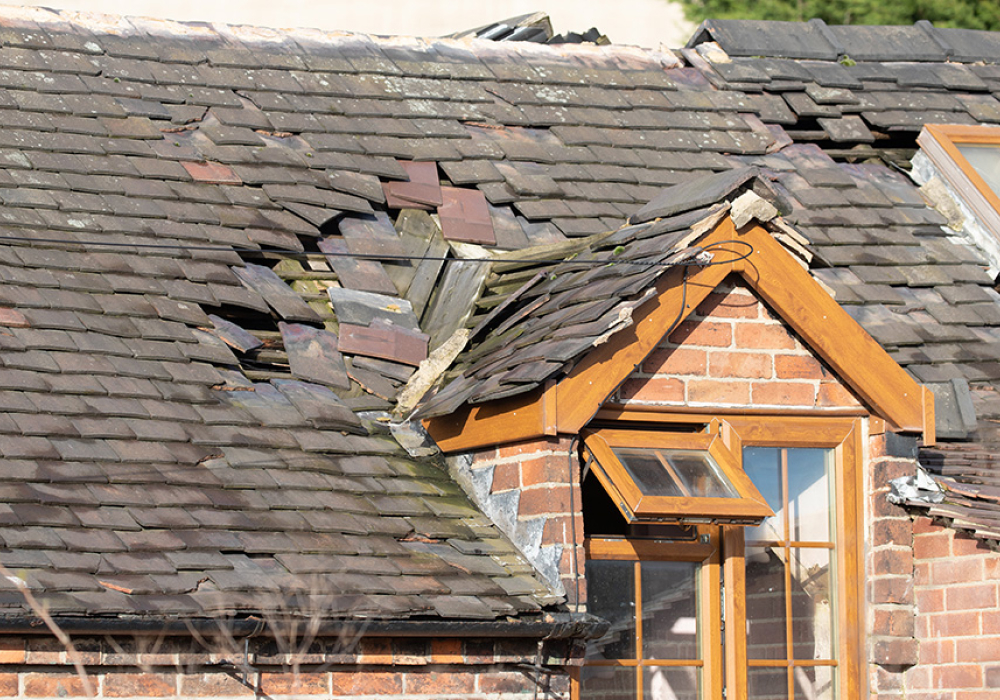
Damaged tiles are among the most common and recognisable signs of roof trouble. When tiles crack, slip out of position, or go missing entirely, the protective barrier between your home’s interior and the outside world is broken. Water can enter through even a small gap, and once it gets beneath the felt or boards underneath, it spreads quickly.
Storm Damage in Uxbridge
Uxbridge experiences its fair share of storms, particularly through autumn and winter. High winds can lift tiles that have become loose with age or poor fixings, and heavy rainfall can drive water into gaps that would otherwise remain dry. After any significant storm, it is worth walking around your property and looking up at the roofline. Dislodged or missing tiles are often visible from ground level.
Ageing Roofing Materials
Even a well-installed roof will show signs of wear over time. Most clay and concrete tiles have a lifespan of 50 to 100 years, but their condition depends heavily on maintenance, weather exposure, and the quality of the original materials. As tiles age, they become brittle and more prone to cracking. Granule loss on felt or flat roofing membranes is another sign that materials are nearing the end of their useful life.
Poor Installation or Previous Repairs
Sometimes tile damage is not the result of weather or age it is the legacy of poor workmanship. Improperly fixed tiles, incorrect mortar mixes on ridge and hip sections, or badly executed previous repairs can all create vulnerabilities that worsen over time. If your property has had roofing work done by a contractor who was not experienced or fully qualified, it is worth having the work assessed by a reputable roofing company Uxbridge homeowners and landlords rely on.
From ground level, look for tiles that sit at an angle compared to those around them, gaps in the ridge line, or obvious breakage. If you spot anything unusual, do not climb up yourself contact a qualified roofer who can carry out a safe, thorough assessment.
Damp Patches and Water Stains Inside the Home
Internal signs of moisture are often the first thing homeowners notice but by the time water appears indoors, it has usually been travelling through your roof structure for some time.
Ceiling Stains and Wall Marks
Yellowy-brown stains on ceilings or walls, particularly in upstairs rooms or around the loft hatch, are classic indicators of a roof leak. These marks are caused by water seeping through roofing layers, insulation, and timber before eventually breaking through plaster. Even if the stain appears dry, it is a sign that water has entered at some point and may return.
Hidden Leak Paths in Roof Structures
Water does not always travel straight down. It can run along joists, rafters, and felt membranes for several metres before dripping or soaking through. This means the entry point of a leak is rarely directly above the stain you see on your ceiling. Tracing the actual source requires experience and, often, access to the loft space. A professional assessment is usually the only reliable way to identify where water is genuinely entering.
Why Small Damp Spots Should Never Be Ignored
A small damp patch might seem like a minor inconvenience, but leaving it unchecked carries real risks. Persistent moisture encourages mould growth, which can spread across ceilings and walls and create serious health concerns particularly for children, elderly residents, and those with respiratory conditions. Beyond health, water that lingers in timber roof structures accelerates rot, which can compromise the structural integrity of the roof over time. Addressing damp early is always the right decision.
Damaged or Failing Roof Flashing
Flashing is the thin metal material usually lead or aluminium installed around roof penetrations and junctions to create a watertight seal. When it fails, water finds an easy route into your home.
Chimney Flashing Problems
The junction between a chimney and the surrounding roof is one of the most leak-prone areas on any property. Flashing around chimneys is exposed to a great deal of thermal movement as temperatures rise and fall, which causes it to expand, contract, and eventually lift or crack. Water that enters here can travel deep into the roof structure before showing itself inside the home.
Roof Junction Weak Points
Wherever two roof planes meet such as at valleys, dormers, or where a flat roof joins a pitched section flashing is used to seal the join. These junctions are common failure points, particularly on older properties where original flashing may have never been replaced. Even small gaps or lifted edges allow water to enter, especially during heavy rainfall.
Leadwork Deterioration
Lead is the traditional and most durable material for roof flashing, but it does deteriorate over time. Cracks, splits, and corrosion can develop after decades of exposure. On older Uxbridge homes, original leadwork may be well past its expected service life. A professional roofer can identify whether leadwork needs patching, re-dressing, or full replacement and carry out the work to a standard that prevents future problems.
Blocked Gutters and Drainage Issues
Gutters play a far bigger role in protecting your roof than most homeowners realise. When they become blocked or damaged, the consequences extend well beyond a bit of overflow.
Leaf and Moss Build-Up
Uxbridge properties surrounded by mature trees are particularly vulnerable to gutter blockages. Leaves, moss, twigs, and debris accumulate over the seasons, forming dense blockages that prevent rainwater from flowing freely. Blocked gutters are a leading cause of damp problems in UK homes, and they are entirely preventable with regular maintenance.
Overflow and Water Backflow
When gutters overflow, water does not simply cascade harmlessly off the side of your house. It runs down walls, soaks into brickwork, and can pool against foundations. More critically, water can back up under the roof edge and beneath roof tiles, causing damage to fascia boards, soffits, and the felt or membrane beneath the first course of tiles. Over time, this leads to rot, damp, and structural damage that far exceeds the cost of keeping gutters clean.
Preventative Cleaning and Maintenance
Clearing gutters at least twice a year once in late spring and once after autumn leaf fall is a simple habit that protects your entire property. Fitting gutter guards can reduce the frequency of blockages, particularly for homes surrounded by trees. If you have noticed overflow or sagging gutter sections, it is worth contacting roof maintenance experts who can assess both your guttering and the condition of the adjacent roof structure at the same time.

Moss, Algae, and Roof Surface Growth
The green coating you sometimes see across roof tiles is not just a cosmetic issue. Moss and algae growth can cause real, lasting damage to your roof if left unchecked.
Why Moss Holds Moisture
Moss acts like a sponge. It absorbs and retains moisture against the surface of your tiles, keeping them damp long after rain has stopped. This prolonged exposure to moisture accelerates tile degradation and creates the conditions for freeze-thaw damage during colder months, when water trapped within the moss expands as it freezes and can crack tiles from within.
Tile Damage from Biological Growth
As moss and algae colonies grow, their root systems work into the surface of tiles and the mortar joints between them. Over time, this breaks down the surface layer of tiles, reduces their integrity, and can dislodge pointing and bedding mortar on ridge sections. Algae can also make roof surfaces dangerously slippery, which is a safety concern for anyone who needs to access the roof.
Preventative Roof Cleaning
Professional roof cleaning removes biological growth safely and effectively, without causing further damage to tiles. Following treatment, biocidal coatings can be applied to slow regrowth and extend the time between cleans. As part of a Roof Maintenance Uxbridge schedule, periodic cleaning is one of the simplest ways to extend the working life of your roof significantly.
Sagging Roof Areas and Structural Concerns
Sagging is one of the most serious signs of roof distress. Unlike a cracked tile or blocked gutter, a sagging roofline points to structural issues that require immediate professional attention.
Signs of Roof Movement
From the street, look at your roofline along its length. It should appear straight and even. Any visible dip, curve, or deviation from a straight line could indicate that roof timbers rafters, purlins, or ridge boards have been compromised. Internal signs include a ceiling that appears to bulge downward, or attic access that reveals bowed or cracked roof members.
Water Damage to Timber
The most common cause of structural sagging in UK homes is prolonged water damage to roof timbers. When leaks go undetected for long periods often because they are hidden within insulation or roof felt they saturate the timber, causing rot that weakens the structural frame. By the time sagging becomes visible, the timber damage is usually extensive and costly to repair.
When Sagging Becomes Dangerous
A sagging roof section is not a problem to monitor and revisit in a few weeks. In serious cases, structural failure can occur rapidly, particularly if a section of roofing is already heavily compromised and additional rainfall or wind loading is applied. If you notice any sagging, contact a qualified roofer without delay. Emergency Roof Repairs Uxbridge services are available for situations where immediate intervention is needed to prevent further damage or risk to occupants.
Weather Impact on Uxbridge Roofs
The weather in and around Uxbridge is varied, persistent, and demanding on roofing systems. Understanding what your roof is up against helps you appreciate why proactive maintenance is so important.
Heavy Rain and Storm Damage
The UK averages over 1,100mm of rainfall annually in many regions, and Uxbridge properties experience sustained wet periods throughout autumn and winter. Heavy rainfall tests every element of a roofing system from tiles and flashing through to gutters and drainage. Any existing weakness is quickly exploited by persistent water ingress.
Freeze–Thaw Cycle Effects
Winter brings freezing temperatures that create a specific type of roof damage. Water that has penetrated into cracks in tiles or mortar expands as it freezes, widening those cracks further. When it thaws, the crack remains slightly larger. Over successive freeze-thaw cycles which can happen dozens of times through a single UK winter this progressive damage causes significant deterioration to tiles, pointing, and even masonry.
Wind Uplift and Tile Movement
Strong winds create uplift forces across roof surfaces that can loosen tiles, particularly at the ridgeline, at gable edges, and at the eaves. Tiles that have lost their mechanical fixings through age are especially vulnerable. Even tiles that appear intact from below may be sitting insecurely after a storm, and the next heavy rainfall will expose the gap they leave behind.
How to Prevent Roof Damage Before It Gets Worse
Prevention is always more cost-effective than repair. Here is how to stay ahead of roof problems throughout the year.
Regular Roof Inspections
Schedule professional roof inspections at least twice a year spring and autumn are ideal. An inspection after any significant storm is also wise. A qualified roofer can spot developing problems before they escalate, saving you money and disruption.
Early Repairs and Maintenance
When issues are identified, act on them promptly. A small repair carried out quickly is almost always cheaper and less disruptive than a major repair carried out under pressure after damage has worsened. Replacing a cracked tile, re-pointing a ridge section, or re-dressing a section of lead flashing are all relatively straightforward jobs when caught early.
Gutter Cleaning Schedule
Clear gutters at least twice a year, and inspect downpipes for blockages at the same time. After heavy leaf fall or storms, check for accumulated debris. Keeping drainage free-flowing is one of the most effective forms of roof protection available.
Professional Roofing Services in Uxbridge
For homeowners, landlords, and property managers who want complete peace of mind, an annual maintenance contract with a reliable local roofing company Uxbridge property owners trust ensures your roof is checked, maintained, and repaired to a consistently high standard throughout its life.
Why Professional Roof Inspections Matter
It is tempting to climb into the loft with a torch or lean out of an upstairs window to see what is happening on your roof. But professional inspections offer something that self-checks simply cannot.
Trained roofers know where to look for the subtle early signs of failure the hairline crack in a tile, the barely lifted edge of a lead flashing, the small section of waterproofing membrane that has lost adhesion on a flat roof. These are the issues that, if caught now, cost very little to fix. If missed, they become the source of expensive, disruptive repairs six or twelve months later.
There are also safety risks to consider. Roofs are not safe surfaces to walk on without the right equipment and training. Each year, people are seriously injured attempting DIY roof checks. A professional Roof Inspection Uxbridge service provides thorough results safely, often accompanied by photographs and a written report you can keep for insurance or property sale purposes.
Long-term, consistent professional inspections extend roof lifespan, preserve property value, and reduce the likelihood of emergency call-outs. The cost of an inspection is a fraction of what it prevents.
Why Uxbridge Homeowners Trust GMG Roof Experts
When it comes to protecting one of your most valuable assets, the expertise and integrity of the roofing company you choose matters enormously.
GMG Roof Experts have built a strong reputation across Uxbridge by consistently delivering high-quality workmanship and honest, transparent advice. Whether you need a routine inspection, localised tile repairs, full roof replacement, Flat Roof Repairs Uxbridge, or emergency intervention after storm damage, the team brings local knowledge and professional skill to every job.
What sets GMG Roof Experts apart is their commitment to giving homeowners and landlords a clear, accurate picture of their roof’s condition not an inflated quote or unnecessary recommendations. Every assessment is carried out thoroughly, with findings communicated in plain language so you can make informed decisions.
As trusted roofers in Uxbridge, the GMG team understands the specific challenges that local properties face from the architectural character of older homes in the area to the demands of the local climate. Their work is completed to a high standard, using quality materials with appropriate guarantees.
For landlords managing multiple properties, GMG Roof Experts also offer ongoing maintenance arrangements that keep every roof in good condition and help you avoid unexpected repair costs.
Frequently Asked Questions
What are the earliest signs of roof damage?
The earliest signs of roof damage are often subtle and easy to overlook. Inside the home, small damp patches on ceilings or walls particularly in upstairs rooms or near the loft can indicate that water is finding its way in. Externally, look for tiles that appear cracked, displaced, or missing, and check the ridge and hip lines for any gaps in the pointing. Moss or algae growth, while common, should also prompt a closer look, as it can mask underlying tile deterioration. Gutters pulling away from the fascia or overflowing during rain are another early indicator. If you spot any combination of these signs, booking a professional Roof Inspection Uxbridge is the smartest next step.
How often should roofs be inspected in the UK?
Most roofing professionals in the UK recommend a thorough inspection at least twice a year ideally in spring and again in autumn. This timing allows you to identify any damage that has developed over winter before summer, and to prepare the roof for the wetter, windier months ahead. In addition to scheduled inspections, it is advisable to have your roof checked after any significant storm or extreme weather event. For properties with older roofing systems or known vulnerabilities, more frequent inspections may be appropriate. Consistent, regular checking is the most reliable way to catch problems early, keep repair costs manageable, and extend the overall lifespan of your roof.
Can small roof issues become serious problems?
Yes and this is one of the most important points for homeowners and landlords to understand. A single cracked or slipped tile might seem trivial, but it creates an opening for rainwater to enter the roof structure. Once water is beneath the surface layer, it can travel along joists and felt, soaking insulation and saturating timber before any internal damage becomes visible. Over time, this leads to rot, mould growth, and structural weakening. What began as a repair costing a small amount can escalate into extensive remedial work affecting ceilings, timbers, and internal finishes. Acting on small issues promptly is always the more cost-effective and sensible approach.
What causes roof tiles to slip or break?
Roof tiles slip or break for several reasons. Age is a primary factor as tiles become brittle over decades, they are less able to withstand the stresses of weather and minor movement. Fixing failure is another common cause: the nails, clips, or mortar that hold tiles in place deteriorate over time, and once fixings fail, tiles are vulnerable to wind uplift or simply sliding out of position. Storm damage can dislodge tiles suddenly and violently. Poor installation or inadequate previous repair work is also a significant contributor. The freeze-thaw cycle experienced during UK winters causes water within tiles to expand and contract repeatedly, gradually cracking them from the inside. Regular Roof Maintenance Uxbridge helps identify and address these vulnerabilities before tiles are lost entirely.
Should I repair or replace my roof?
The answer depends on the age and overall condition of your roof, the extent of the damage, and whether repairs are a cost-effective long-term solution. If your roof is relatively young under 25 to 30 years and the damage is localised, targeted repairs are usually the right approach. However, if the roof is ageing, has been repaired multiple times, and is showing widespread signs of deterioration cracked or porous tiles, failing flashing in multiple locations, and recurring leaks a full or partial replacement may represent better value over the long term. A reputable Roofing Contractor Uxbridge will give you an honest assessment of both options, with a clear breakdown of costs and expected outcomes, so you can make the decision that makes most sense for your property.
Conclusion
Your roof is your home’s first line of defence. The warning signs are there if you take the time to look missing or cracked tiles, damp patches on ceilings, moss spreading across the surface, blocked gutters, or a roofline that no longer sits quite straight. Every one of these signals deserves attention, and the sooner you act, the simpler and more affordable the solution is likely to be.
Knowing how to spot early signs of roof damage in Uxbridge homes is not about becoming a roofing expert yourself. It is about recognising when something needs a professional eye, and taking action before a manageable issue becomes a significant problem. The properties in Uxbridge face real challenges from the UK’s persistent rainfall, seasonal storms, and temperature fluctuations and regular, professional maintenance is the most reliable way to protect your investment.
At GMG Roof Experts, we help homeowners, landlords, and property managers across Uxbridge stay ahead of roof problems through thorough inspections, honest assessments, and skilled repairs. Whether you are concerned about a specific issue you have noticed, or simply want the peace of mind that comes from knowing your roof is in good condition, our team is here to help.
Do not wait for a small problem to turn into a large one. Get in touch with the roof repair specialists in Uxbridge that local homeowners trust, and book your roof inspection today. Visit our Uxbridge roofing services page to find out more about what we offer and how we can help you protect your home for years to come.