
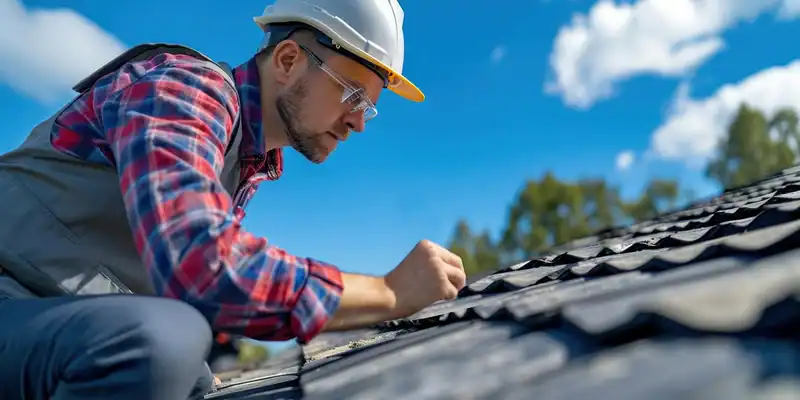
Your roof is your home’s first line of defence against the elements. When it fails, the consequences can be costly, disruptive, and far-reaching. Understanding the Common Causes of Roof Leaks in Hayes Homes and How to Prevent Them is one of the most important things you can do as a property owner. Left unchecked, even a minor leak can cause structural timber to rot, ceilings to collapse, insulation to fail, and mould to spread throughout your living space.
Hayes properties face particular challenges. The area experiences heavy seasonal rainfall, strong winds, and freeze-thaw cycles throughout winter all of which place sustained pressure on roofing systems. Many homes in the area also feature ageing pitched roofs and flat roof extensions that require regular attention to stay watertight.
In this guide, you’ll learn which parts of your roof are most vulnerable, what warning signs to watch for, and what preventative steps you can take before a small problem becomes an expensive emergency. Throughout, we’ll reference the expert services provided by GMG Roof Experts, a trusted roofing company in Hayes with a strong local reputation for quality workmanship, honest advice, and reliable results.
Common Causes of Roof Leaks in Hayes Homes and How to Prevent Them
Roof leaks rarely appear without warning. In most cases, water ingress develops gradually, starting with a minor defect that slowly worsens under repeated exposure to wind, rain, and temperature change. Understanding the Common Causes of Roof Leaks in Hayes Homes and How to Prevent Them gives you the knowledge to act early and avoid unnecessary damage.
Minor issues a cracked tile, a loose flashing, or a blocked downpipe may seem insignificant at first. But once water finds a route into your roof structure, it will follow that path every time it rains. Timber joists absorb moisture, insulation becomes saturated, and the internal damage can far exceed the cost of the original repair.
Early detection is everything. A professional roof inspection by a qualified roofing contractor in Hayes can identify defects that are invisible from ground level, helping you resolve problems before they escalate. Most experienced roofers recommend scheduling an inspection at least once a year ideally in autumn before the heaviest rainfall arrives.
Missing, Cracked, or Damaged Roof Tiles
Roof tiles and slates are your home’s primary weatherproofing layer. When they crack, slip, or go missing entirely, rainwater can penetrate directly into the underlying felt, battens, and roof timbers.
Storm Damage
High winds are a common cause of displaced tiles across Hayes. Storms can lift tiles, snap fixings, and throw debris onto roof surfaces, leaving gaps that allow water to enter immediately. After any significant storm, it’s worth checking your roof from ground level or arranging a professional inspection.
Ageing Roofing Materials
Concrete and clay tiles typically last between 30 and 60 years, but their performance diminishes over time. Old tiles become porous, crack more easily under frost, and lose the surface coating that helps water run off cleanly. If your roof is approaching the end of its expected lifespan, replacement or a structural survey may be more cost-effective than repeated patching.
Poor Previous Repairs
Roofing repairs carried out by unqualified tradespeople can create new problems. Incorrectly bedded ridge tiles, poorly mixed mortar, or mismatched materials can fail quickly, leaving your roof more vulnerable than before. If you’re unsure whether previous work was done to a proper standard, the team at GMG Roof Experts can carry out a full roof inspection and advise on the best course of action.
Preventative tip: Walk around your property after heavy rain or wind. Look for tiles on the ground, visible gaps in the roof covering, or dark patches on the felt below missing tiles. Prompt tile replacement is one of the simplest and most cost-effective ways to prevent water ingress.
Damaged Roof Flashing Around Chimneys and Roof Junctions
What Is Roof Flashing?
Roof flashing is the thin layer of metal usually lead that seals the joints between your roof covering and fixed structures such as chimneys, skylights, and parapet walls. It bridges the gap between two different surfaces and directs water away from vulnerable junctions.
Why Flashing Fails
Lead flashing expands and contracts with temperature changes. Over many years, this movement causes the flashing to lift, crack, or separate from the mortar that holds it in place. In older Hayes properties, lead flashing may have been in place for decades and may be well past its serviceable life.
Poorly installed flashing is another frequent cause of failure. If the flashing wasn’t dressed correctly during installation or was fixed with the wrong materials, it may allow water to track behind it rather than shedding it away.
Signs of Flashing Problems
- Damp patches appearing on walls near a chimney breast
- Water stains on ceilings directly below a roof junction
- Visible gaps or lifted sections of lead around chimney bases
- Mortar crumbling between the flashing and brickwork
If you notice any of these signs, contact a professional roofer promptly. Flashing repairs are relatively straightforward when caught early but can lead to significant structural water damage if ignored.
Blocked Gutters and Downpipes
How Blockages Cause Roof Leaks
Your guttering system is designed to carry rainwater away from your roof and foundations efficiently. When gutters become blocked, water has nowhere to go. It backs up, overflows, and can saturate the fascia boards, soffits, and the roof edge eventually working its way under the tiles and into the roof structure.
Common Debris Problems
Hayes is surrounded by mature trees, and autumn leaf fall is one of the most consistent causes of gutter blockage. Moss and algae, which grow readily in the UK’s damp climate, can also accumulate in gutters and restrict water flow. Bird nests, twigs, and general roof debris compound the problem over time.
Preventative Gutter Maintenance
Gutters should be cleaned at least twice a year once in late spring and again in late autumn after leaf fall. Downpipes should be checked to ensure water flows freely to the drain. Gutter guards can help reduce debris build-up between cleans.
For a thorough clean and inspection, the roof maintenance services offered by GMG Roof Experts include guttering checks and clearance as part of their routine maintenance programme.
Flat Roof Deterioration and Ponding Water
Why Flat Roofs Are Vulnerable
Flat roofs commonly found on extensions, garages, and some commercial properties across Hayes require different maintenance to pitched roofs. Without a steep gradient to shed water quickly, they rely on effective drainage and an intact waterproof membrane to remain dry.
Standing Water Issues
When flat roof drains block or the roof surface loses its fall, water pools and sits. This “ponding water” places sustained weight on the roof deck, accelerates membrane deterioration, and dramatically increases the risk of leaks. Even a small amount of standing water left after rainfall is a warning sign worth investigating.
Membrane Damage
Common flat roofing materials include felt, GRP (glass-reinforced plastic), and EPDM rubber. Each has a different lifespan and failure mode. Felt roofs, particularly older torch-on systems, can crack and blister as they age. GRP roofing can develop hairline cracks at junctions if not correctly installed. EPDM membranes are highly durable but can fail at seams if adhesive breaks down over time.
Preventative Measures
- Inspect your flat roof surface twice a year for cracks, blisters, or pooling water
- Keep drains and outlets clear of debris at all times
- Address any surface damage immediately even small cracks allow water ingress
- Consider upgrading an ageing felt roof to a GRP or EPDM system for improved longevity
GMG Roof Experts specialise in Flat Roof Repairs Hayes and can advise on the most appropriate solution for your property.
Roof Leaks Caused by Poor Roof Ventilation
Condensation Problems
Many property owners are surprised to learn that condensation within the roof space can cause damage that closely resembles a roof leak. Warm, moisture-laden air from inside the property rises into the loft, where it meets cold surfaces and condenses. Over time, this leads to wet timbers, saturated insulation, and ceiling staining.
Moisture Build-Up
Poor ventilation is the primary cause of roof space condensation. If soffit vents are blocked often by poorly fitted loft insulation or if ridge ventilation is absent, moisture has no way to escape. This is particularly common in Hayes homes that have had additional loft insulation fitted without a corresponding improvement in ventilation.
Hidden Water Damage
Because condensation damage occurs within the roof space rather than through an obvious entry point, it can go undetected for months or years. By the time water stains appear on ceilings or mould growth becomes visible, significant damage may already have occurred to the structural timbers.
If you suspect poor ventilation is causing moisture problems, a professional roof inspection can assess your roof space and recommend appropriate ventilation improvements.
Chimney and Roof Valley Problems
Damaged Mortar
Chimney stacks are exposed to the full force of the weather on all sides. The mortar that bonds the brickwork and secures the flaunching (the sloping mortar around the chimney pot base) deteriorates steadily over time. Once it cracks or crumbles, water enters the chimney structure and can track down into the property.
Valley Deterioration
Roof valleys the internal angles where two roof slopes meet are natural water collection points. They carry a high volume of water during heavy rainfall and are vulnerable to debris build-up. Lead valleys can lift or crack; mortar valley fillets can erode; and valley tiles can become displaced. Any of these issues can result in water breaking through into the roof structure.
Water Collection Areas
Both chimneys and valleys act as natural funnels for rainwater. That makes them among the most important areas to include in any routine roof inspection in Hayes. GMG Roof Experts routinely check these high-risk zones as part of their inspection and maintenance services.

How Hayes Weather Contributes to Roof Leaks
Heavy Rainfall
The UK averages over 1,100mm of rainfall annually, and Hayes is no exception. Extended wet periods particularly between October and March place consistent pressure on every part of your roof. Any weakness in the system will be tested repeatedly throughout the wetter months.
Strong Winds
Hayes sits in an area exposed to the south-westerly winds that frequently sweep across Greater London. Wind-driven rain can force water horizontally under tiles and into gaps that would otherwise pose no risk in calm conditions. High winds can also dislodge tiles, aerials, and satellite dishes, causing sudden impact damage.
Winter Freeze-Thaw Cycles
Water that collects in cracks or porous roofing materials freezes overnight and expands, widening the crack further. When temperatures rise, it thaws and contracts, leaving a larger gap for more water to enter. Repeated freeze-thaw cycles through winter accelerate deterioration significantly in older roofing materials.
Seasonal Roofing Stress
Each season brings different stresses. Summer UV exposure can degrade felt and sealants. Autumn brings leaf-laden gutters and early storms. Winter delivers frost, ice, and heavy rainfall. Spring reveals the cumulative damage. This is why year-round Roof Maintenance Hayes is so valuable proactive care across all seasons prevents issues from compounding into costly repairs.
Warning Signs Your Roof May Be Leaking
Identifying a roof leak early can save you thousands of pounds. Watch for these signs:
- Water stains on ceilings: yellowish or brownish rings are a classic indicator of water ingress above
- Damp patches on internal walls: especially near chimneys, party walls, or gable ends
- Mould or mildew growth: appearing on ceilings, in corners, or on wall surfaces near the roofline
- Musty smells: particularly in upstairs rooms or loft spaces, indicating trapped moisture
- Sagging ceilings: a serious sign that water has accumulated in ceiling materials
- Damaged or wet loft insulation: often the first component to absorb water from a leak above
- Dripping water during or after rainfall: the most obvious sign of active water ingress
If you notice any of these warning signs, don’t delay. Contact a local roofing expert promptly for an assessment. The sooner a leak is investigated, the less damage it will cause.
Effective Ways to Prevent Roof Leaks
Schedule Regular Roof Inspections
A professional inspection once or twice a year is the single most effective way to prevent roof leaks. An experienced roofer can identify issues invisible from ground level and catch problems before they develop into leaks. Scheduling an inspection each autumn before the worst of the winter weather arrives is particularly good practice for Hayes homeowners.
Replace Damaged Tiles Promptly
Don’t delay tile repairs. A single missing or cracked tile can allow water to reach your roof deck within days. Prompt Roof Repairs Hayes protects the rest of your roofing structure from unnecessary exposure and keeps repair costs manageable.
Maintain Gutters and Downpipes
Clear your gutters in spring and autumn. Ensure downpipes run freely and that rainwater is directed away from your property’s foundations. Consider installing gutter guards if your property is surrounded by trees.
Address Minor Repairs Early
The Common Causes of Roof Leaks in Hayes Homes and How to Prevent Them often come down to small defects that were left unattended for too long. A minor re-pointing job, a replaced flashing, or a re-bedded ridge tile are all modest investments that prevent far costlier repairs later.
Invest in Professional Maintenance
A scheduled roof maintenance service with GMG Roof Experts means your roof is checked, cleaned, and minor repairs are carried out before problems develop. It’s a proactive approach that pays for itself many times over by avoiding emergency call-outs and extensive structural repairs.
Why Professional Roof Inspections Are Essential
Hidden Roofing Defects
Many of the most serious roofing defects are completely invisible from ground level. Lifting flashings, cracked valley linings, failing felt beneath intact tiles these issues can only be identified by a trained roofer who knows where to look. Attempting a DIY inspection carries real safety risks and rarely provides a complete picture. Professional roofers use specialist equipment to assess moisture levels and uncover hidden defects before they cause serious damage.
Preventative Maintenance Benefits
A professional inspection doesn’t just identify problems it gives you a clear maintenance plan. You’ll know exactly which areas need attention, which can be monitored, and which repairs are urgent. That knowledge allows you to budget effectively and prioritise work appropriately, avoiding unpleasant and expensive surprises.
Extending Roof Lifespan
A well-maintained roof will significantly outlast one that receives no attention. Regular professional care clearing moss, re-pointing ridge tiles, re-dressing flashings, replacing isolated damaged tiles can add decades to your roof’s functional life and protect the structural integrity of your entire property.
Reducing Long-Term Repair Costs
Prevention is always cheaper than repair. A professional inspection costs a fraction of what a major leak repair or a full roof replacement will set you back. Investing in routine Roof Inspection Hayes is one of the most financially sensible decisions a property owner can make.
GMG Roof Experts offer comprehensive professional roof inspections across Hayes and the surrounding area, covering pitched and flat roofs, chimney stacks, valleys, guttering, and flashings giving you a complete picture of your roof’s condition.
Why Hayes Homeowners Choose GMG Roof Experts
GMG Roof Experts is a well-established Roofing Company Hayes serving homeowners, landlords, property managers, and businesses throughout the area. Here’s why so many local property owners trust them with their roofing needs:
- Experienced roofing contractors: skilled in all aspects of pitched and flat roofing
- Emergency roof repairs: fast response when you need it most, minimising further damage to your property
- Roof repairs and maintenance: from individual tile replacements to full re-roofs
- Flat roofing specialists: working with felt, GRP, and EPDM systems to the highest standard
- Roof inspections: thorough assessments with honest, practical advice and no unnecessary upselling
- Chimney repairs: re-pointing, flaunching, flashing replacement, and stack rebuilds
- Guttering services: cleaning, repair, and replacement of gutters and downpipes
- Customer-focused approach: clear communication, fair pricing, and quality results on every job
Whether you need urgent Emergency Roof Repairs Hayes, a scheduled annual inspection, or advice on a long-term maintenance plan, the team at GMG Roof Experts is ready to help. Get in touch today for a free, no-obligation quote.
Frequently Asked Questions
What is the most common cause of roof leaks in Hayes homes?
Damaged or missing roof tiles are the most frequent cause of roof leaks in Hayes. When tiles crack, slip, or are blown off by wind, they expose the felt and timber beneath to direct rainfall. However, damaged flashing around chimneys and roof junctions is a close second. Flashing is exposed to constant temperature fluctuations, causing it to lift and separate from the surrounding mortar over time. Blocked gutters are also a significant contributing factor when gutters overflow, water saturates the roof edge and works its way under tiles. In many cases, it’s a combination of these issues rather than a single identifiable cause. A professional roof inspection by an experienced Roofing Contractor Hayes is the most reliable way to identify all contributing factors and receive accurate, tailored repair advice.
Can a small roof leak become a major problem?
Absolutely and far more quickly than most property owners expect. A small leak that allows even a modest amount of water into your roof structure will, over time, saturate insulation, introduce sustained moisture to structural timbers, and promote widespread mould growth. Once timber becomes consistently wet, rot sets in rapidly and can compromise the structural integrity of your roof and ceiling. What might begin as a minor stain on a bedroom ceiling can, within a single winter, develop into extensive timber decay, failed insulation, and potentially dangerous ceiling deterioration. The cost of addressing a leak in its early stages is typically a small fraction of the cost of repairing the damage that follows prolonged water ingress. If you spot any warning signs, contact a Local Roofer Hayes without delay.
How often should I have my roof inspected?
Most professional roofers recommend a full roof inspection at least once a year. For older properties, those with flat roof sections, or homes surrounded by mature trees, twice-yearly inspections in spring and autumn offer better protection. An autumn inspection is particularly valuable as it allows you to address any issues before the harshest winter weather arrives. Beyond scheduled inspections, it’s sensible to arrange a check after any significant storm, period of high winds, or severe frost. Many Hayes homeowners choose to combine their annual inspection with a gutter clean and minor maintenance work, making it an efficient and cost-effective way to keep their roof in good condition year-round.
Can blocked gutters cause roof leaks?
Yes blocked gutters are a surprisingly common cause of roof leaks and structural water damage. When gutters become clogged with leaves, moss, twigs, or other debris, rainwater has nowhere to drain. It backs up and overflows along the roof edge, saturating fascia boards, soffits, and the felt beneath the lowest course of tiles. Over time, this persistent moisture allows water to penetrate the roof structure and, in some cases, seep into the walls and foundations below. In Hayes, where mature trees are plentiful, autumn leaf fall creates particularly significant gutter blockage risks. Keeping gutters clear with regular cleaning and arranging professional Roof Maintenance Hayes is one of the most straightforward ways to prevent water damage to your home.
When should I call a professional roofer?
You should contact a professional roofer as soon as you notice any sign of a potential roofing problem. This includes water stains appearing on ceilings or walls, damp patches near chimney breasts, mould growth in upstairs rooms, a musty smell in the loft, or any visible damage to tiles, flashing, or guttering from ground level. You should also call a roofer after any significant storm, particularly if you can see displaced tiles or debris on your roof. Don’t wait for a problem to worsen before seeking help the longer a defect is left unaddressed, the greater the damage and the higher the repair cost. For urgent situations, Emergency Roof Repairs Hayes are available through GMG Roof Experts, who can respond promptly to prevent further water ingress and protect your property.
Conclusion
Understanding the Common Causes of Roof Leaks in Hayes Homes and How to Prevent Them is the first step towards protecting your property from costly water damage. From missing tiles and failed flashings to blocked gutters, deteriorating flat roofs, poor ventilation, and chimney defects, there are many ways that water can find a route into your home. Hayes’s weather with its heavy rainfall, strong winds, and winter freeze-thaw cycles makes regular maintenance not just advisable, but essential.
The good news is that the vast majority of roof leaks are preventable. Scheduling routine inspections, addressing minor repairs promptly, keeping gutters clear, and investing in professional maintenance can all extend your roof’s lifespan and save you significant money in the long run. Proactive care will always cost less than emergency repairs.
If you’ve spotted warning signs, recently experienced storm damage, or simply haven’t had your roof checked in a while, now is the time to act. GMG Roof Experts provides a full range of roofing services in Hayes including roof inspections, tile repairs, flat roofing, chimney work, guttering, and emergency call-outs all delivered by experienced local professionals who take pride in their work.
Don’t wait for a small issue to become a serious problem. Contact GMG Roof Experts today for a free, no-obligation assessment and take the first step towards a roof that will protect your home for years to come. Visit the Hayes roofing services page to find out more or to get in touch with the team directly.