
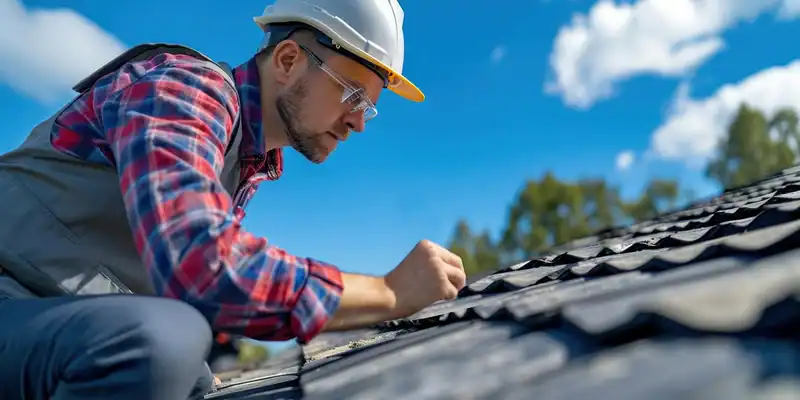
Your roof is one of the hardest-working parts of your property. It shields everything beneath it from wind, rain, and cold yet it rarely gets attention until something goes wrong. Knowing how to spot roofing problems early in your Iver home can be the difference between a quick, affordable repair and a costly structural overhaul. For homeowners, landlords, and property managers in Iver, acting early is not just sensible it is essential.
Small issues like a cracked tile or a blocked gutter may seem insignificant at first. Left unchecked, they can allow water to penetrate the roof structure, leading to damp walls, damaged ceilings, timber rot, and even compromised structural integrity. These are not problems that improve on their own. They worsen gradually, often invisibly, until the damage becomes serious and expensive.
Iver experiences the full range of UK weather. Heavy rainfall, strong winds, and freeze–thaw cycles throughout autumn and winter place real stress on roofing materials. Over time, even a well-maintained roof will show signs of wear. The challenge is that most damage begins in areas that are difficult to see — tucked behind flashings, inside gutters, or under overlapping tiles. By the time a stain appears on your ceiling, the problem has usually been developing for months.
Many homeowners simply do not know what to look for or feel unsure about checking their roof safely. That is why having a trusted local roofing team on your side matters. GMG Roof Experts are experienced roofing contractors in Iver who provide honest assessments and professional guidance to help you stay ahead of problems before they escalate.
How to Spot Roofing Problems Early in Your Iver Home
Understanding how to spot roofing problems early in your Iver home starts with recognising why timing matters so much. A minor roof defect caught within weeks of developing might cost a few hundred pounds to fix. The same defect left for a year or more can require extensive repairs to the roof deck, insulation, ceiling joists, and interior finishes a bill that could run into thousands.
The difference between a minor issue and major structural damage often comes down to how quickly water has been able to travel. Moisture is the primary enemy of any roof. Once it finds a pathway through a cracked tile, a failed flashing seal, or a blocked gutter — it begins to work its way into the layers beneath. Early detection stops that process before it causes irreversible harm.
Regular roof inspections are one of the most effective maintenance tools available to property owners. A visual check from ground level every few months, combined with a professional roof inspection in Iver at least once a year, gives you a clear picture of your roof’s condition. Professional roofers can identify subtle deterioration that is invisible from the ground micro-cracks in tiles, early-stage moss infiltration, or hairline gaps in leadwork and address them before they become genuine problems.
Investing in routine assessments also helps you plan and budget. Rather than facing an unexpected emergency, you have advance notice of any work required. That peace of mind alone makes professional roofing assessments well worth arranging.
Missing, Cracked, or Slipped Roof Tiles
Tiles form the primary weather barrier on most UK roofs. When one fails, water has a direct route into the structure beneath. The consequences can range from a minor damp patch to widespread timber decay, depending on how long the problem persists.
Storm and Wind Damage
Strong winds are one of the most common causes of tile displacement in Iver. Even tiles that appear secure can be lifted slightly by gusts, breaking the seal between overlapping rows and allowing rain to drive underneath. After any significant storm, it is worth scanning your roof from ground level with binoculars or simply looking up from the pavement. Look for tiles that sit at an uneven angle, gaps in the roof surface, or debris on the ground around the property.
You do not need to climb onto the roof yourself. Any visible irregularity should be reported to a roofing professional promptly. Storm damage tends to worsen quickly, particularly if further rain follows before repairs are made.
Ageing Roofing Materials
Concrete and clay tiles have a long lifespan, but they do not last forever. As materials age, they become more brittle and porous. Small surface cracks appear, granules begin to break away, and tiles lose their resistance to moisture absorption. Once a tile starts absorbing water rather than shedding it, it becomes a liability especially during a freeze, when that absorbed moisture expands and accelerates cracking further.
If your property is more than 20 to 30 years old and the roof has not been replaced or significantly repaired, it is worth having roofing contractors assess the overall condition of the materials.
Poor Installation or Previous Repairs
Substandard installation or botched repair work can leave lasting vulnerabilities in your roof. Tiles set at the wrong pitch, inadequate use of mortar on ridge tiles, or mismatched replacement tiles can all create weak points that let water in. If your home has had roof work carried out in the past, it is always a good idea to have a professional carry out a follow-up inspection. The roof repair specialists at GMG Roof Experts in Iver can identify legacy issues from previous work and put them right with quality workmanship.

Water Stains and Damp Inside the Home
Water stains on ceilings or walls are one of the most recognisable signs of a roofing problem but by the time they appear, the issue is rarely new.
Ceiling and Wall Discolouration
Yellow or brown staining on ceilings, bubbling paintwork, or damp patches along the top of interior walls are all signs that water has penetrated somewhere above. These marks may appear after heavy rainfall or develop gradually over time. Either way, they should never be ignored or simply painted over. The source must be identified and repaired.
Hidden Leak Pathways
Water rarely travels straight down from the point of entry. Inside a roof structure, it follows the path of least resistance along rafters, across felt underlays, and through insulation before it finally drips far from where it actually entered. This means a stain on your bedroom ceiling could originate from a cracked tile above a completely different part of the roof. Tracing the actual source requires experience and methodical inspection.
Mould and Health Risks
Persistent moisture within roof structures creates the conditions that mould needs to thrive. Black mould on ceiling corners, musty smells in upstairs rooms, or condensation that never fully clears are all warning signs. Beyond the damage to your property, mould poses genuine health risks particularly for children, elderly residents, and anyone with respiratory conditions. Addressing the roofing problem at its source is the only lasting solution.
Damaged Roof Flashing and Weak Points
Flashing is the metal or lead material used to seal the joints between roofing surfaces and vertical structures such as chimneys, walls, and skylights. It is one of the most critical waterproofing components on any roof and one of the most common sources of leaks.
Chimney Flashing Issues
The junction between a chimney and the roof slope is a particularly vulnerable area. Flashing here must flex slightly as the structure moves with temperature changes. Over time, the seal can crack, lift, or corrode. Water entering at this point travels directly into the void between the chimney breast and the ceiling below. Many unexplained damp patches near fireplaces originate from failed chimney flashing.
Roof Junction Failures
Wherever two roof planes meet at valleys, hips, or abutments flashing is used to channel water away from the join. These areas experience higher water flow than the rest of the roof and are subject to more wear. Debris can accumulate in valleys, blocking drainage and forcing water back under the tiles.
Leadwork Deterioration
Lead is the traditional material for flashing on UK homes and can last for decades when properly installed. However, it does deteriorate. It can crack, lift at the edges, and pull away from mortar joints over time. Once this happens, water infiltration is almost inevitable. Repairing or replacing leadwork requires specialist skill, and it is not a task suited to DIY. The roofing services in Iver offered by GMG Roof Experts include professional flashing repair and leadwork restoration.
Blocked Gutters and Drainage Problems
Gutters play a vital role in protecting your roof and property. When they function properly, they carry rainwater safely away from the building. When they fail, the consequences can be serious.
Leaf and Moss Build-Up
In Iver, trees are common in residential areas, and autumn leaf fall clogs gutters quickly. Moss and debris that wash off the roof surface also accumulate in downpipes and gutter channels. Over time, this build-up creates blockages that prevent water from draining freely.
Overflowing Water Damage
When gutters overflow, water cascades down the exterior wall rather than through the downpipe. This saturates the fascia boards directly beneath the gutter the timber to which the gutter is fixed and can allow moisture to seep back under the roof edge, damaging the eaves and the roof deck. Persistent overflow also causes staining to rendered and brick walls and can lead to damp penetration at ground level.
Seasonal Maintenance Importance
Clearing gutters at least twice a year once in late autumn after leaf fall and again in early spring is one of the simplest and most cost-effective roof maintenance tasks you can carry out. For taller properties or those with heavy moss growth, enlisting roof maintenance experts ensures the job is done safely and thoroughly.
Moss, Algae, and Roof Surface Growth
Biological growth on rooftops is extremely common in the UK’s damp climate. While a green tinge on older tiles might seem harmless, it signals a problem that will worsen if left untreated.
Moisture Retention Problems
Moss acts like a sponge. It holds moisture against the tile surface long after rain stops, significantly increasing the rate of water absorption into the tile itself. This retained moisture accelerates the freeze–thaw cycle damage mentioned earlier and keeps the roof in a persistently damp state.
Long-Term Tile Damage
As moss roots penetrate tile surfaces and mortar joints, they cause physical deterioration. Ridge tile pointing can be pushed apart, tiles can crack along growth lines, and the overall surface of the roof becomes progressively more fragile. Algae, while less physically damaging than moss, creates discolouration and contributes to general surface degradation.
Safe Roof Cleaning Methods
Pressure washing is not the right approach for most roof tiles. It can strip surface coatings, dislodge tiles, and force water into areas it would never normally reach. Professional roof cleaning uses low-pressure biocide treatments that kill growth at the root without damaging materials. After treatment, a sealant or inhibitor can be applied to slow regrowth. If your roof has visible moss growth, arranging a professional assessment of the roof surface condition is the sensible first step.
Sagging Roof Sections and Structural Warning Signs
A sagging roof is never a cosmetic problem. It is a structural one, and it requires immediate attention.
Early Signs of Sagging
Stand back from your property and look at the roofline carefully. It should be straight and uniform along its length. Any visible dip, bow, or curve is a warning sign. Inside the loft space, look at the rafters and roof deck. Signs of bowing timber, watermarks, or soft spots when pressure is gently applied all indicate that the structure has been compromised.
Timber Rot and Water Damage
Sagging is most often caused by prolonged moisture exposure. Roof timbers that have been wet for extended periods begin to soften and rot. Once the structural members lose their rigidity, the roof covering above sags under its own weight. This is a progressive problem — the longer it continues, the more extensive the repair required.
When It Becomes Dangerous
In severe cases, a structurally weakened roof can partially collapse particularly if additional weight from heavy snow or accumulated debris is added. If you notice sagging of any kind, do not delay. Contact emergency roofing services immediately. This is not a situation where a wait-and-see approach is appropriate.
Weather Impact on Iver Roofs
Iver’s position in the Thames Valley means it is exposed to a genuine mix of weather conditions throughout the year. Understanding how these conditions affect your roof helps you anticipate when inspection and maintenance are most important.
Heavy Rain and Storm Damage
The UK regularly experiences periods of sustained heavy rainfall, particularly between October and March. High water volume overwhelms gutters and tests every seal, joint, and surface on your roof. Leaks that remain hidden in dry conditions often make themselves known after the first significant downpour of the season.
Wind Uplift and Loose Tiles
Strong winds create uplift forces on roof tiles. Tiles rely on their weight and correct installation to resist this. Older roofs where mortar has deteriorated or where nails have corroded are particularly vulnerable. Even moderate gusts can dislodge a tile that is already slightly loose, opening a gap that allows rain in almost immediately.
Freeze–Thaw Cycle Effects
Winter temperatures in Iver regularly drop below freezing overnight. Any moisture sitting in cracks or porous tile surfaces freezes, expands, and forces the material apart. When it thaws, it contracts leaving a slightly larger gap than before. This cycle repeats throughout winter, gradually widening defects until they become active leaks. Addressing porous or cracked tiles before winter is one of the most effective preventive steps you can take.

How to Prevent Roofing Problems in Iver Homes
Prevention is always more cost-effective than repair. A small investment in regular maintenance protects the long-term integrity of your roof and your property.
Regular Roof Inspections
Make a habit of visually checking your roof from ground level after every significant storm, and arrange a professional inspection at least once a year. Annual inspections allow a qualified roofer to catch deterioration at its earliest stage, long before it causes internal damage.
Prompt Repairs
When a problem is identified however minor it appears act quickly. A single cracked tile can be repaired for a modest cost. The water damage it causes if left for three months is an entirely different matter. Speed of response is one of the most important factors in managing roof maintenance cost-effectively.
Gutter Maintenance
Keep gutters clear and free-flowing year-round. Check that downpipes drain properly and that water does not pool against the fascia. Replace any cracked or leaking gutter sections promptly. This single habit prevents a surprising proportion of the water-related damage that roofs and external walls suffer.
Professional Roofing Services
For any work beyond ground-level visual checks, use qualified professionals. Accessing a roof without proper equipment and training is dangerous, and amateur repairs often create new problems. Working with experienced local roofers in Iver gives you access to proper diagnostic tools, safe access equipment, and the expertise to carry out lasting repairs.
Why Choose GMG Roof Experts in Iver
When you need a roofing company in Iver that you can genuinely trust, GMG Roof Experts deliver on every front. As experienced local roofing specialists, they understand the specific conditions that Iver properties face from the seasonal weather patterns to the age and construction of homes across the area.
Their services cover the full spectrum of roofing needs, including tile and slate repairs, full or partial roof replacements, emergency roof repairs in Iver, chimney and flashing work, flat roof repairs in Iver, and comprehensive roof inspections. Whether you have spotted a single loose tile or you are concerned about more serious structural issues, they have the skills and equipment to diagnose and resolve the problem properly.
What sets GMG Roof Experts apart is their commitment to honest assessments. They will tell you exactly what your roof needs and equally importantly, what it does not need. There is no unnecessary upselling, and every recommendation is made with your long-term interests in mind. Their workmanship meets the high standards you should expect from any professional roofing contractor, and all work is carried out with full attention to safety and quality.
To find out more about what they offer and to arrange an inspection, visit their dedicated roofing company page for Iver today.
Frequently Asked Questions
What are the earliest signs of roofing problems?
The earliest signs are often subtle and easy to miss. From outside, look for tiles that appear displaced, cracked, or darker than their neighbours. Check for moss or algae growth beginning to spread across the surface, and look along the roofline for any slight dipping or unevenness. Inside the loft, look for light coming through the roof deck, damp patches on the felt underlay, or watermarks on the timber rafters. Inside the main property, watch for small damp spots or faint discolouration on upper-floor ceilings, even if no active dripping is present. These early indicators are far less costly to address than the damage they can cause if ignored. A professional roof inspection can identify all of these at an early stage.
How often should roofs be inspected in the UK?
The general recommendation for UK properties is at least one professional roof inspection per year. Many roofing specialists suggest scheduling this in autumn before the harshest winter weather arrives, giving you the opportunity to carry out any necessary repairs while conditions are still relatively dry and accessible. In addition to the annual professional check, homeowners should carry out their own visual inspection from ground level after any significant storm or period of severe weather. Properties in exposed locations, older homes with ageing roofing materials, and any building with a history of roof issues may benefit from more frequent professional assessments perhaps every six months to stay ahead of deterioration.
Can small roof issues become serious problems?
Yes, without exception. What begins as a single missing tile, a hairline crack in flashing, or a slightly blocked gutter can, within months, develop into a significant structural problem. Water is the primary issue once it finds a route into the roof structure, it begins to saturate insulation, rot timber, and penetrate ceilings. The damage compounds over time. What costs a few hundred pounds to fix today can escalate into a repair bill of several thousand pounds if left unaddressed. Mould growth, damaged plasterwork, stained ceilings, and rotted roof timbers are all consequences of small problems that were not dealt with promptly. Acting on the earliest signs is always the right decision, both financially and structurally.
What causes roof tiles to slip or break?
Several factors can cause tiles to slip, crack, or break. Age is one of the most common as tiles become more brittle over time, they are less able to withstand impact or thermal stress. Wind uplift is another significant cause, particularly on exposed properties or roofs where mortar has degraded and tiles are no longer fixed as securely as they once were. Frost damage accelerates cracking in tiles that have already become porous, as absorbed moisture expands on freezing and fractures the material from within. Poor installation or low-quality replacement tiles can also create vulnerable areas. Finally, physical impact from falling branches, hailstones, or someone climbing on the roof without proper equipment can cause sudden breakage in otherwise sound tiles.
When should I call a professional roofer?
You should call a professional roofer as soon as you notice any of the warning signs described in this article displaced tiles, internal damp or staining, visible moss growth, blocked gutters, or any irregularity along the roofline. You should not wait to see whether the issue resolves itself, because it will not. In urgent situations after storm damage, if water is actively dripping inside, or if you notice structural sagging contact a roofer immediately and seek emergency roof repairs. You should also call a professional before any significant seasonal change, particularly ahead of winter. Attempting to inspect or repair the roof yourself without the correct equipment and training carries serious safety risks and can inadvertently worsen the problem. A professional assessment is always the safest and most reliable course of action.
Conclusion
Your roof does a remarkable job of protecting your home, your belongings, and your family but it needs your attention to keep doing it well. The warning signs covered throughout this article, from displaced tiles and failing flashings to blocked gutters, damp stains, and structural sagging, are all things that Iver homeowners, landlords, and property managers can identify with the right knowledge. Understanding how to spot roofing problems early in your Iver home puts you in control, allowing you to act before minor wear becomes major damage.
The cost savings of catching problems early are substantial. A prompt repair after spotting a cracked tile costs a fraction of the price of replacing water-damaged timber and replastering a ceiling. Prevention and routine maintenance are investments that protect the long-term value of your property. Regular inspections, clear gutters, and swift responses to any signs of deterioration are the foundations of sensible roof care.
If you have any concerns about your roof — or if you simply want the reassurance of a professional assessment GMG Roof Experts are ready to help. As trusted specialists in roof repairs Iver residents rely on, they offer honest inspections, quality workmanship, and a full range of roofing services including emergency call-outs, flat roof work, flashing repairs, and complete roof replacements.
Do not wait for water to find its way through your ceiling before you take action. Visit the GMG Roof Experts Iver service page today and book your professional roof inspection. Protecting your roof now means protecting your home for years to come.