
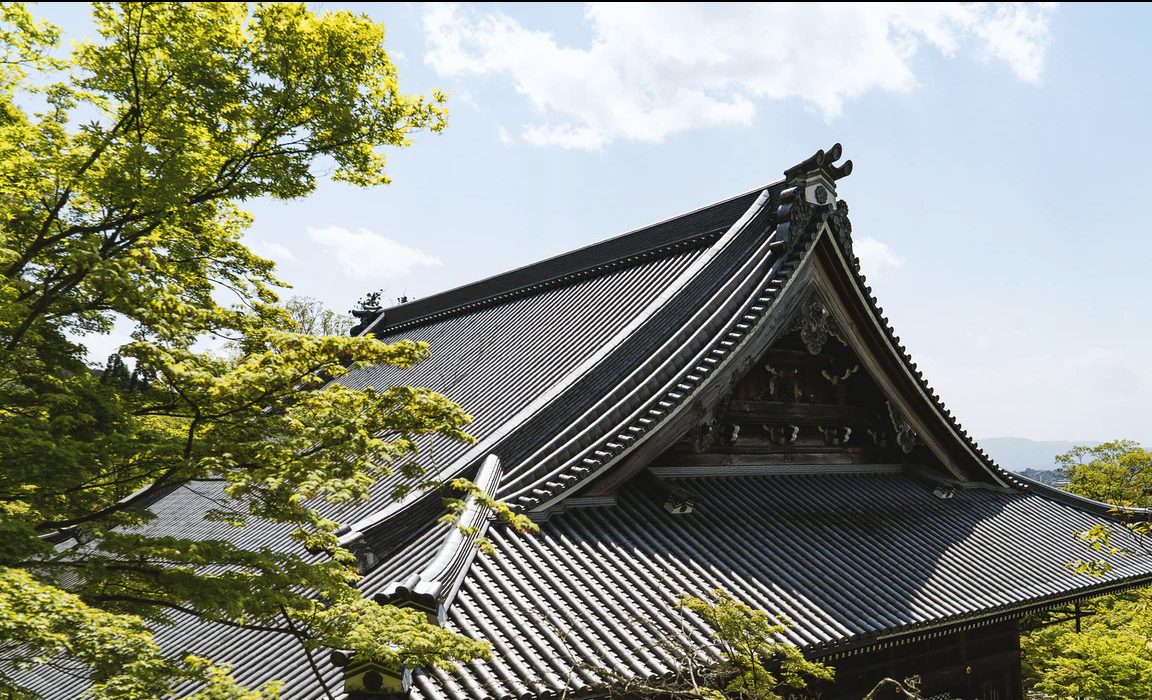
Your roof is one of the most hardworking parts of your home. It shields you from rain, wind, frost, and everything the British climate throws at it yet it rarely gets the attention it deserves. Knowing how to protect your roof from seasonal weather damage in Northwood is one of the most valuable things you can do as a homeowner, landlord, or property investor in this area.
Northwood sits in a part of the UK that experiences the full range of seasonal weather. Wet autumns, freezing winters, unpredictable springs, and increasingly warm summers all take a toll on roofing systems. Tiles crack, flashings loosen, gutters block, and moisture finds its way into places it should never reach. The damage often builds slowly, which means many homeowners simply don’t notice until a small issue has become a costly repair job.
The problem isn’t just the weather itself it’s the tendency to overlook early warning signs. A missing tile, a stained ceiling, or a patch of moss might seem minor, but each one can signal the start of a much bigger problem. Addressing these issues early saves money, protects your property’s structure, and extends the life of your roof considerably.
That’s where GMG Roof Experts come in. As trusted local roofers with deep knowledge of Northwood’s housing stock and local climate conditions, they help homeowners stay ahead of seasonal damage through inspections, maintenance, and quality repairs. Throughout this guide, you’ll find everything you need to understand seasonal roof risks and how to manage them effectively.
How to Protect Your Roof from Seasonal Weather Damage in Northwood
Seasonal roof damage refers to the gradual wear and structural weakening caused by changing weather conditions throughout the year. Unlike sudden storm damage, this type of deterioration often goes unnoticed until it reaches a point where repair costs are significantly higher than they would have been with early intervention.
In Northwood, roofs face a challenging combination of heavy rainfall, cold winters with freeze–thaw cycles, and warmer summers that expand and contract roofing materials repeatedly. Each season introduces a different set of pressures, and over time, these cumulative stresses can compromise even a well-built roof.
The good news is that most seasonal roof damage is preventable. Understanding how weather affects your roof allows you to take targeted action at the right time. Regular inspections, timely repairs, and seasonal maintenance tasks such as clearing gutters in autumn or checking flashings after winter make an enormous difference to how long your roof lasts.
From a financial perspective, preventative maintenance is far more cost-effective than emergency repairs or full roof replacements. A small investment in annual inspections can save thousands of pounds over the lifetime of your property. It also protects the interior of your home from water damage, damp, and the associated health risks of prolonged moisture exposure.
Knowing how to protect your roof from seasonal weather damage in Northwood means being proactive rather than reactive. The sections below break down each seasonal threat in detail, so you can understand exactly what your roof faces and what steps you can take to protect it.
Effects of Rain and Storm Damage on Northwood Roofs
Northwood receives a significant amount of rainfall throughout the year, with autumn and winter months particularly wet. Storms can arrive quickly and with little warning, and their effects on roofing structures can be severe.
Heavy Rainwater Ingress
When rainwater consistently hits a roof surface, it looks for the path of least resistance. Cracked tiles, deteriorated mortar, failed flashings, and blocked outlets all provide opportunities for water to enter your roof space. Once moisture gets through, it can spread silently soaking insulation, rotting timber joists, and causing damp patches on ceilings that are sometimes misdiagnosed as condensation.
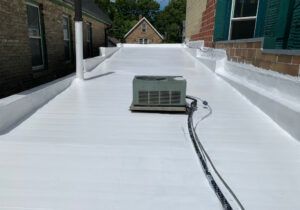
Heavy rainfall over prolonged periods puts particular pressure on flat roofs, where standing water accelerates material breakdown. If your property has a flat roof section and you haven’t had it inspected recently, professional flat roof repairs Northwood specialists can assess its current condition and advise on drainage improvements.
Wind Uplift and Tile Damage
Strong winds don’t just carry debris they create pressure differentials across roof surfaces that can lift and dislodge tiles, particularly those that are already loose or improperly fixed. Even a single missing tile creates an entry point for water during subsequent rainfall.
Ridge tiles are especially vulnerable, as they sit at the apex of the roof where wind speeds are highest. Mortar pointing around these tiles cracks over time, reducing their adhesion. After any significant storm, it’s worth having your roof checked by roof repair specialists Northwood to identify any tiles that have shifted.
Flashing and Seal Weak Points
Flashings are the metal strips that seal the joints between your roof and vertical surfaces such as chimneys, dormer windows, and skylights. They’re one of the most common points of failure during stormy weather. When flashings lift, corrode, or pull away from their mortar beds, water tracks down into the roof space and can travel considerable distances from the original entry point.
Checking and resealing flashings is a key part of seasonal roof maintenance, especially heading into winter.
Winter Frost, Ice, and Freeze–Thaw Damage
Cold weather brings a distinct set of challenges for Northwood roofs. The freeze–thaw cycle where water repeatedly freezes and thaws within roofing materials is one of the most destructive processes your roof will face.
Ice Dams and Water Backflow
Ice dams form when heat escaping from a poorly insulated roof space warms the upper portion of the roof, melting snow or ice, which then refreezes at the colder eaves. This creates a barrier that prevents meltwater from draining properly. The trapped water backs up under tiles and into the roof structure, causing significant internal damage that may not become visible for weeks.
Improving loft insulation and ensuring adequate ventilation in your roof space reduces heat loss and minimises the conditions that lead to ice dam formation.
Cracked Tiles and Expansion Damage
Water that penetrates small cracks in tiles expands when it freezes. This freeze–thaw action widens existing cracks and can split tiles entirely. Porous roofing materials are particularly susceptible older clay tiles, concrete slates, and deteriorated pointing around ridge tiles all absorb moisture that then freezes.
A pre-winter roof inspection by local roofers Northwood can identify vulnerable tiles before temperatures drop, allowing them to be replaced at a fraction of the cost of dealing with the consequences in January.
Condensation Issues in Roof Spaces
Cold winters also increase the risk of condensation within the roof space. When warm, moist air from inside the property rises and meets cold surfaces in a poorly ventilated loft, it condenses into liquid water. Over time, this saturates insulation, causes mould growth on timber, and can lead to structural timber decay.
Ensuring your loft has adequate cross-ventilation and that your insulation is positioned correctly not blocking eaves vents is essential for managing condensation risk.
Summer Heat and UV Roof Damage
Summers in the UK have been getting warmer, and Northwood is no exception. While heat damage may seem less obvious than storm or frost damage, it steadily degrades roofing materials and shortens their lifespan.
Thermal Expansion and Contraction
Roofing materials expand in heat and contract when temperatures drop. This daily cycle amplified in summer when temperature swings between day and night can be significant — causes the materials to flex repeatedly. Over time, this movement loosens fixings, opens up joints, and causes flashings to pull away from their sealant beds.
Flat roofs and metal roofing systems are particularly affected by thermal movement. Regular inspections help identify any areas where expansion and contraction have begun to compromise the roof’s integrity.
UV Deterioration of Roofing Materials
Ultraviolet radiation breaks down many roofing materials at a molecular level. Felt underlays, bitumen products, rubber membranes, and sealants all degrade under prolonged UV exposure. The surface becomes brittle, cracks form, and waterproofing properties are lost.
This is a particular concern for flat roofs and older properties where the original roofing materials may not have been designed to withstand modern UV levels. If your flat roof is more than ten years old, it’s worth having a professional assessment carried out by roofing services in Northwood to evaluate its current condition.
Drying and Cracking Issues
Extended dry periods cause timber roof components to shrink slightly, which can open up gaps at joints and around penetrations. Sealants dry out and crack, and mortar pointing can become powdery and lose its grip. When autumn rains arrive after a dry summer, these newly opened gaps become immediate entry points for water.
Blocked Gutters and Drainage Problems
Gutters and downpipes form a critical part of your roof’s drainage system. When they fail to function correctly, water backs up and causes damage that extends well beyond the gutters themselves.
Leaf Build-Up in Autumn
Autumn brings falling leaves, and in many Northwood streets lined with mature trees, gutters fill up quickly. Decomposing leaves and debris form a thick sludge that blocks water flow entirely. When gutters can’t drain, water overflows at the roofline, runs down the fascia boards, penetrates behind soffits, and saturates the wall below.
This is also when moss and lichen washed off the roof accumulates in gutters, adding to the blockage. Clearing gutters in late autumn ideally October or November is one of the single most effective roof maintenance tasks you can carry out.
Overflowing Water Risks
When gutters overflow repeatedly, the consequences compound over time. Fascia and soffit boards rot, which compromises the fixing points for the gutters themselves. Water saturates the external brickwork and can penetrate the cavity wall. Foundations may also be affected in properties with shallow footings.
In more severe cases, overflowing water re-enters the roof space through the eaves, causing the kind of internal damp damage that is expensive to diagnose and treat. Roof maintenance Northwood professionals can check gutter fixings, falls, and outlet conditions as part of a seasonal inspection.
Importance of Seasonal Cleaning
Gutters should be cleared at least twice a year once in late spring after seed pods and blossom have fallen, and once in late autumn after leaf fall. In areas with heavy tree coverage, more frequent cleaning may be needed. Downpipes should also be flushed through to check they are clear all the way to the drain.
Gutter guards can help reduce debris accumulation, though they still require periodic inspection to ensure they haven’t become clogged themselves.
Early Warning Signs of Seasonal Roof Damage
Knowing what to look for means you can act quickly before minor issues escalate. Many of the most costly roofing problems begin as small, easily overlooked signs.
Missing or Slipped Tiles
A tile that has slipped or gone missing after a storm is one of the most visible warning signs. Even one absent tile leaves the underlying felt and timber exposed to water ingress. If you notice a gap in your roof covering, treat it as urgent and arrange an inspection promptly.
Water Stains and Damp Patches
Brown stains on ceilings or walls, particularly in upper rooms or loft spaces, indicate that water is finding its way in somewhere. These patches often appear some distance from the actual entry point, which makes DIY diagnosis unreliable. A professional inspection is the most reliable way to trace the source.
Moss and Algae Growth
Moss thrives in damp, shaded conditions and is common on north-facing roof slopes in Northwood. While it looks superficially harmless, moss holds moisture against the tile surface and accelerates freeze–thaw damage. It also works its way into tile joints, lifting tiles slightly and compromising their weathertightness. Algae growth is a sign that moisture levels on the roof surface are consistently high.
Sagging Roof Sections
A roof that sags or appears uneven is a serious sign. It can indicate saturated and rotting roof decking, failed rafters, or structural timber damage. This should be investigated immediately by a qualified roofing contractor. Sagging doesn’t improve on its own it worsens over time and can eventually lead to partial collapse.
How to Prevent Seasonal Roof Damage in Northwood
Prevention is always more affordable and less disruptive than repair. These are the core strategies for keeping your roof in good condition through every season.
Regular Roof Inspections
A professional roof inspection at least once a year ideally in early autumn before winter arrives allows you to identify and address vulnerabilities before the most damaging weather season begins. Inspections should cover the tile condition, flashings, ridge and hip mortar, gutters, downpipes, fascias, soffits, and the roof space internally.
Understanding how to protect your roof from seasonal weather damage in Northwood starts with knowing exactly what condition your roof is in right now.
Prompt Roof Repairs
When an issue is identified, don’t delay. A cracked tile, a lifted flashing, or a blocked downpipe are all minor repairs when addressed quickly. Left unattended, each one creates conditions for water ingress, and the resulting internal damage can cost many times more than the original repair.
Roofing contractors Northwood who are familiar with local properties and common problem areas can carry out repairs efficiently and at a reasonable cost.
Gutter Maintenance Schedule
Set a recurring schedule for gutter cleaning late spring and late autumn as a minimum. Keep records of when gutters were last cleared and inspected. If you notice your gutters overflowing during rainfall, that’s a sign they need immediate attention.
Professional Roofing Services
Some roof maintenance tasks require professional expertise and safe working at height. Rather than risking injury or missing critical issues through a ground-level inspection, working with professional roof inspections specialists ensures your roof gets the thorough, expert assessment it deserves.
Knowing how to protect your roof from seasonal weather damage in Northwood means recognising the limits of DIY and knowing when to call in qualified professionals.
Why Choose GMG Roof Experts in Northwood
GMG Roof Experts are a local roofing company with a strong track record serving homeowners, landlords, and property managers across Northwood. Their team understands the specific challenges that local properties face from the character of older housing in established residential streets to the maintenance demands of modern developments.
Here’s what sets them apart:
- Local expertise: GMG Roof Experts know Northwood’s housing stock and the weather conditions that affect it. That local knowledge means faster diagnosis and more effective solutions.
- Roof repairs and replacements: Whether you need a small repair after storm damage or a full roof replacement, the team handles all roof repair Northwood jobs to a high standard.
- Emergency roofing services: Storm damage doesn’t wait for office hours. GMG Roof Experts offer emergency roofing services for situations that need an immediate response.
- Roof inspections: Comprehensive roof inspection Northwood services that give you a clear, honest picture of your roof’s condition.
- Flat roofing expertise: Specialist knowledge in flat roof repairs Northwood, including EPDM, GRP, and torch-on felt systems.
- Honest assessments: No unnecessary upselling. You’ll receive a straightforward report on what your roof needs, with transparent pricing.
- High-quality workmanship: All work is carried out to industry standards, using quality materials backed by workmanship guarantees.
If you’re looking for a roofing company Northwood that puts your property first, GMG Roof Experts are the team to call.
Frequently Asked Questions
What is seasonal roof damage?
Seasonal roof damage refers to the deterioration of roofing systems caused by changing weather conditions across the year. Unlike damage from a single event such as a falling tree branch seasonal damage is cumulative. Rain, wind, frost, UV exposure, and temperature fluctuations each exert different types of stress on roofing materials. Over months and years, these stresses cause tiles to crack or slip, mortar to erode, flashings to loosen, and timber components to rot or warp. Because it develops gradually, seasonal roof damage is often not noticed until it has progressed to the point where repairs are more complex and expensive. Regular seasonal inspections are the most effective way to catch it early, identify vulnerable areas, and carry out targeted maintenance before small problems become significant ones.
How often should I inspect my roof in the UK?
In the UK, a professional roof inspection is recommended at least once a year. The best time is early autumn before the worst winter weather arrives so that any issues can be addressed while conditions are still suitable for outdoor work. A second inspection in spring is also beneficial, allowing you to assess any damage that may have occurred during the winter months. In addition to professional inspections, homeowners should carry out visual checks after any significant storm, looking for missing tiles, debris on the roof, or overflowing gutters. Properties with older roofs, flat roof sections, or significant moss growth may benefit from more frequent professional assessments. Regular inspections are one of the most cost-effective investments a homeowner can make.
Can weather damage be prevented?
Completely eliminating weather damage is not realistic your roof is exposed to the elements every day. However, the vast majority of weather-related roof problems can be prevented or significantly reduced through regular maintenance and timely repairs. Keeping gutters clear, replacing cracked tiles promptly, maintaining flashings and mortar pointing, ensuring adequate loft ventilation, and having annual professional inspections all contribute to a roof that performs well across every season. The key principle is catching vulnerabilities before weather exploits them. A roof that is well maintained and regularly inspected is far less likely to suffer the kind of serious damage that leads to internal water ingress, structural timber decay, or emergency repair callouts. Prevention genuinely is more affordable than cure.
What are the first signs of roof damage?
The first signs of roof damage are often subtle, which is why they are easy to miss. Common early indicators include water stains or damp patches on ceilings and walls, particularly after periods of heavy rain. Missing, cracked, or slipped tiles are visible from the ground and should never be ignored. Moss or algae growth on the roof surface suggests persistent moisture retention. Granules from weathered tiles appearing in gutters or on driveways indicate surface breakdown. Draughts in the loft space or unexpectedly high heating bills can point to air gaps in the roof structure. Inside the loft, dark staining on timber, wet insulation, or visible daylight through the roof covering are all serious signs that require immediate professional attention.
Do I need professional roof maintenance?
Yes professional roof maintenance is strongly recommended for all homeowners. While some tasks, such as clearing ground-level gutters, can be handled independently, any work that involves accessing the roof itself carries significant safety risks and requires specialist knowledge. A qualified roofer can identify issues that are invisible from the ground, assess the structural condition of the roof, and carry out repairs safely and correctly. DIY roof repairs can inadvertently cause additional damage or create new entry points for water if done incorrectly. Professional maintenance also provides documentation of your roof’s condition, which can be valuable for insurance purposes and property sales. Investing in regular professional maintenance by experienced local roofers Northwood is the most reliable way to protect your property long-term.
Conclusion
Your roof faces a relentless series of challenges across the British seasons driving autumn rain, freezing winter temperatures, spring gales, and summer heat. Each of these conditions weakens roofing materials in different ways, and the cumulative effect over years can be substantial if maintenance is neglected.
The central message of this guide is straightforward: prevention is far more cost-effective than repair. A small investment in annual inspections, seasonal gutter cleaning, and prompt attention to early warning signs will protect your property, maintain its value, and spare you the disruption and expense of emergency repairs or premature roof replacement.
Understanding how to protect your roof from seasonal weather damage in Northwood means staying informed, acting quickly when signs of damage appear, and partnering with a roofing company that knows the area and takes your property seriously. That’s exactly what GMG Roof Experts offer.
Whether you need a routine inspection, emergency roof repairs Northwood, or specialist flat roof maintenance, GMG Roof Experts have the skills, local knowledge, and commitment to quality that your home deserves. They provide honest assessments, transparent pricing, and workmanship you can rely on backed by years of experience serving Northwood homeowners just like you.
Don’t wait until a leak appears or a storm exposes a weakness your roof has been hiding for months. Get ahead of the damage, protect your investment, and enjoy genuine peace of mind.
Contact GMG Roof Experts today and book your seasonal roof inspection. Visit gmgroofexperts.com/northwood/ to find out more about the full range of roofing services available to Northwood property owners.